


Help expand energy dominance and support Tribal energy futures with the Bureau of Indian Affairs (BIA)! We are pleased to announce 23 new hiring opportunities to help support energy development and permitting at BIA, with more opportunities coming soon.
All position announcements opened on 6/1/2026 and will close on Friday 6/12/2026, so act fast! We encourage all qualified applicants to submit application materials by applying online at USAJobs. Please help us spread the word and recruit high-qualitycandidates to help fulfill the BIA mission.
Positions include:
(1) Environmental Protection Specialist Series 28 (GS 11) at Southwest Regional Office
(Albuquerque, NM); DE-26-12973039-CAWY-SR;
(1) Environmental Protection Specialist Series 28 (GS 9/11) at Western Regional Office
(Phoenix, AZ); DE-26-12973039-CAWY-SR;
(2) Archeologist Series 193 (GS 7/11) at Southwest Regional Office (Albuquerque, NM);
DE-26-12973279-CAWV-MH;
(2) GIS Specialist Series 301 (GS 5/11) at Great Plains Regional Office (Aberdeen, SD);
DE-26-12973052-CAWV-JM;
(2) Geographic Information System Specialist Series 301 (GS 9/11) at Navajo Regional
Office (Gallup, NM); DE-26-12973052-CAWV-JM;
(1) Supervisory Engineer Technician (Petro) Series 802 (GS 11) at Osage Agency
(Pawhuska, OK); DE-26-12972843-CAWV-BSc;
(1) Realty Assistant Series 1101 (GS 7) at Farmington Indian Minerals Office (Farmington,
NM); DE-26-12972357-CAWV-TB;
(1) Realty Assistant (CM) Series 1101 (GS 5/7) at Anadarko Agency (Anadarko, OK); DE-
26-12972357-CAWV-TB; (more…)
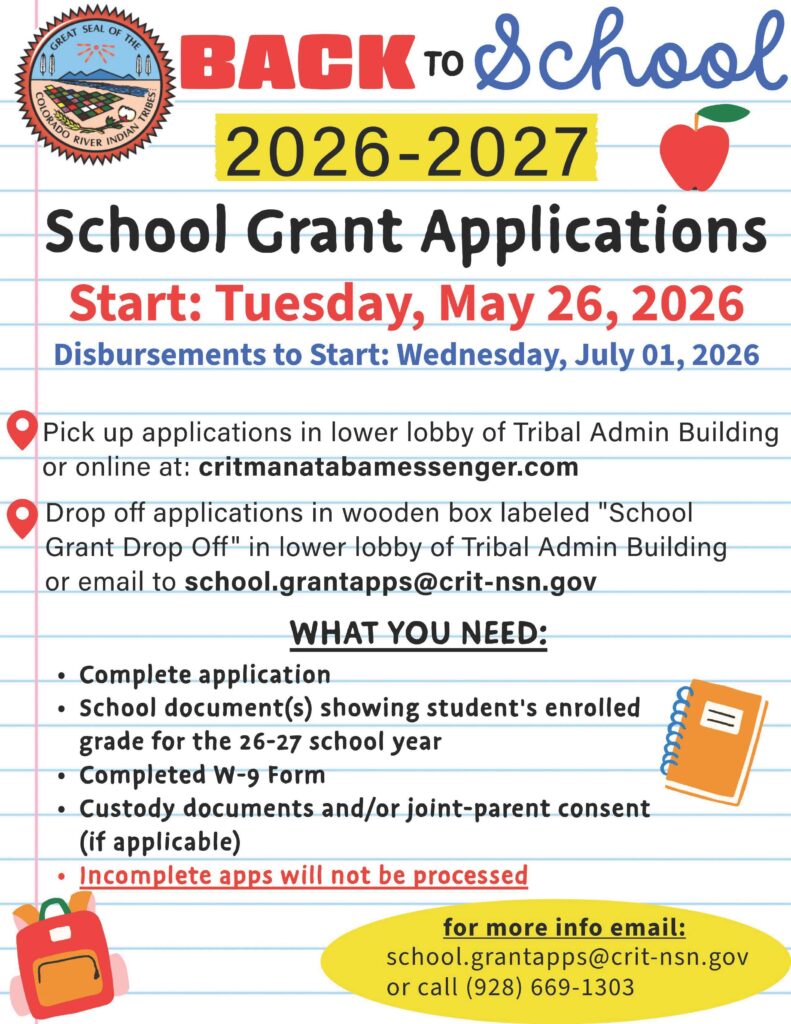
Click the link below to download the application
26-27 SG Application Policy (Fillable)
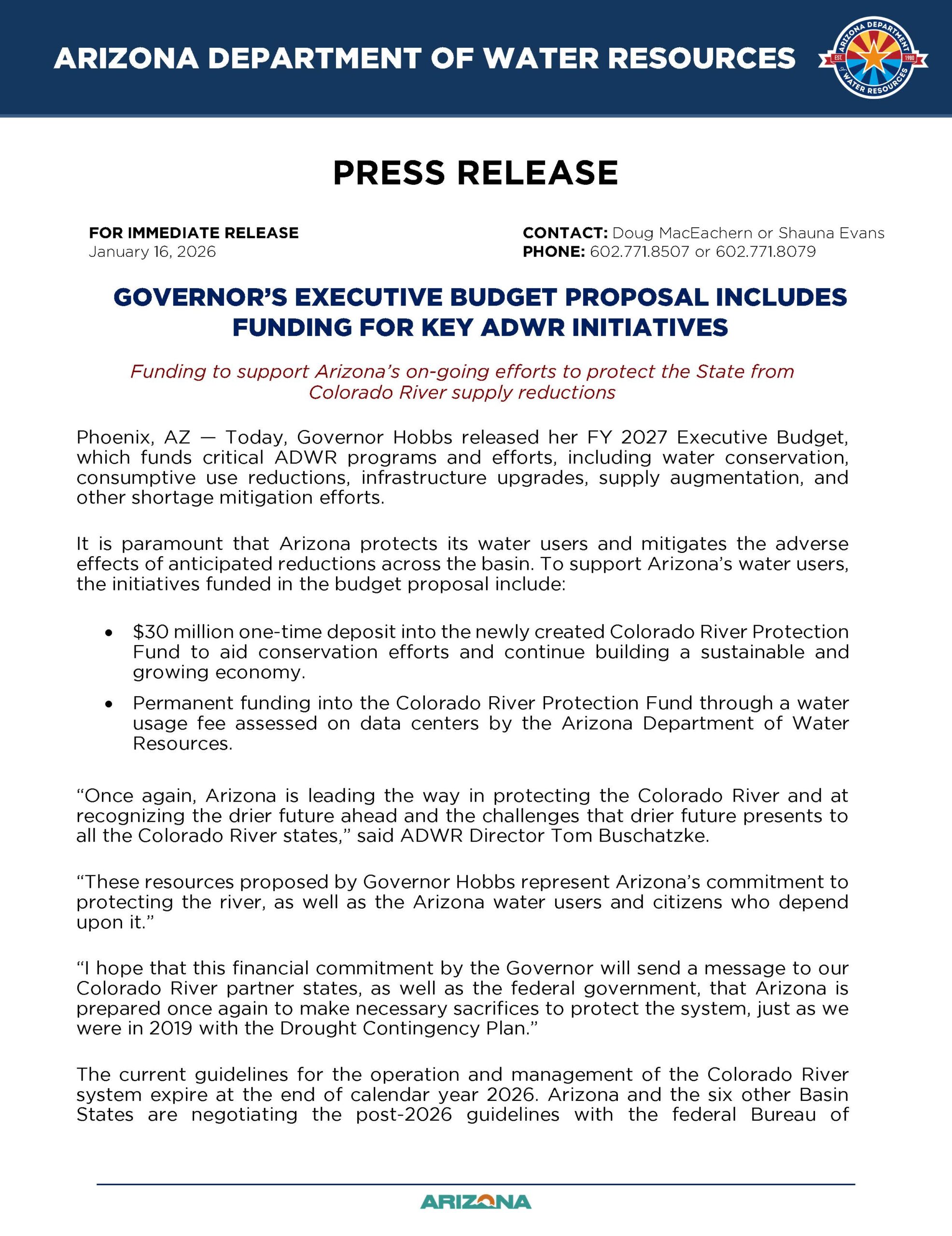
Arizona Budget Proposal Includes Major Funding for Colorado River Protection
On January 16, 2026, the Arizona Department of Water Resources (ADWR) shared details of Governor Katie Hobbs’ FY 2027 Executive Budget Proposal focused on preparing for long-term challenges facing the Colorado River. The plan includes new and expanded funding aimed at strengthening water security across Arizona in the face of ongoing Colorado River shortages.
Key points from the budget related to water:
Source:
Arizona Water News https://azwaternews.com/2026/01/16/fy2027_execbudgetproposal/
Deputy Commissioner David Palumbo and Representatives from the Bureau of Reclamation (referred to as Reclamation) met with the Colorado River Indian Tribes (CRIT) Tribal Council on June 1st, 2026. This meeting was called a Government-to-Government consultation for on-going dialogue specifically regarding the development of the finalized Environmental Impact Statement (EIS). The EIS is a federal review of the different options being considered for operating major Colorado River dams and reservoirs after 2026, and the potential impacts of those options. In this meeting, representatives from Reclamation laid out developing plans they are calling Post 2026 Operational Guidelines and Strategies for Lake Powell and Lake Mead. In these guidelines, it will determine how the major Colorado River reservoirs, specifically Lake Powell and Lake Mead, are operated after the current rules expire. At the heart of Reclamation’s visit was the opportunity not only to explain its plans for the Colorado River and the Final EIS, but also to address CRIT’s major concerns with the Draft EIS. Most notably, the Draft EIS discusses the possibility of allocating shortages among all water users without regard to priority date. Priority date is the legal order that determines which water rights are senior and must be lawfully protected before junior users, to which CRIT has senior priority. This approach is known as pro rata allocation of shortages, and if applied, it will directly violate the Tribe’s senior water rights.
Reclamation’s presentation did not come with good news. According to its report, continued drought, climate variability, and historically low reservoir levels have created serious challenges for Colorado River operations. Representatives also explained that the Upper and Lower Basin states had not reached consensus on a Basin-wide proposal at the time of the meeting, making the federal decision-making process especially important. They discussed what they are calling a Preliminary Preferred Alternative: a 10-year framework that would establish broad operational principles and sideboards while allowing specific operational guidelines to be updated every two years. This method would provide flexibility rather than locking the Basin into a single fixed set of rules for the entire decade.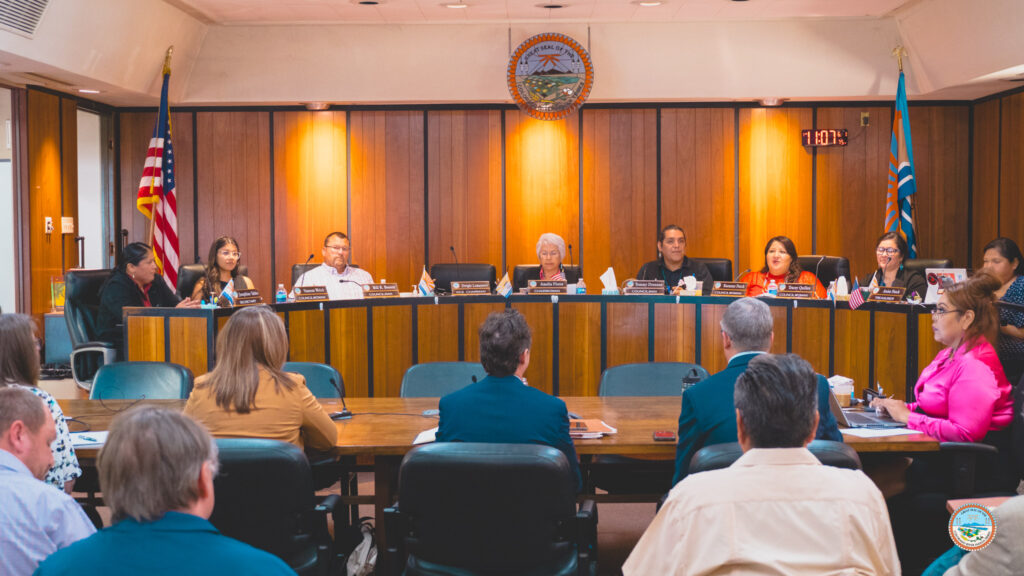
This means that Reclamation will decide operations for 2027–2028 first, then revisit operations for 2029–2030, and continue in two-year cycles. They said this might help tackle things in a real-time manner and adjust if required.
In response, CRIT Tribal Council members emphasized that the present crisis cannot be separated from the federal government’s long-standing obligations to the Tribe, including the need to address aging irrigation infrastructure and support CRIT’s ability to fully use and store its water. Council members expressed that, had those commitments been fulfilled earlier, CRIT and the Basin may be facing a very different situation today. Additionally, the conversation was centered mostly around pro rata, with all of Tribal Council members doubling down on making Reclamation commit to removing pro rata language in the final EIS. (more…)
Andrea Travnicek, Assistant Secretary of the Interior for Water and Science, recently toured the Colorado River Indian Reservation with Chairwoman Amelia Flores, ‘Amat Kuhwely Farms Manager Joshua Moore, Deputy Attorney General Travis Nez, Lead Water Attorney John Bezdek, Water Resources Director Dillon Esquerra, and Fish & Game Wildlife Manager Alexander Kalinowski. The goal of the visit was for Travnicek to understand in real time about the Tribe’s water, agricultural capabilities, and infrastructure inefficiencies.
Travnicek was accompanied by members of her staff and representatives from the Bureau of Reclamation, an agency within her oversight portfolio. During the visit, Tribal representatives took her to several locations across the reservation to provide a firsthand look at CRIT enterprises, agricultural operations, and the deteriorating irrigation infrastructure affecting the vast farmland throughout the valley.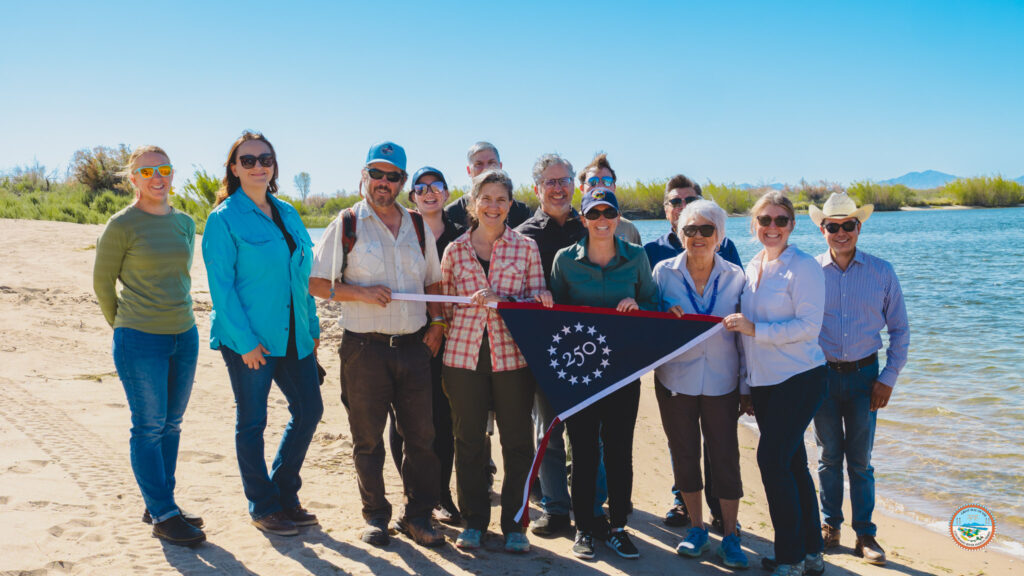
The tour began at Aha Quin Resort, a Tribally owned and operated recreational destination located on CRIT lands along the California side of the Colorado River.
Travnicek then visited a portion of the valley’s irrigation system, a critical stop because it is where excess water flows through the canals before draining back into the Colorado River. The deteriorating infrastructure limits CRIT’s ability to retain and reuse that water within the irrigation system. Once the water returns to the river, it becomes available to downstream junior users, some of whom have derived substantial economic benefit from water over which CRIT holds a far more senior legal claim, with an earliest priority date of March 3, 1865. The location has long been used to demonstrate the serious condition of the aging irrigation system. By visiting the site, Travnicek was able to observe the problems firsthand and hear Dillon Esquerra and Joshua Moore. explain how the failing infrastructure affects the Tribe’s ability to conserve and efficiently use its water.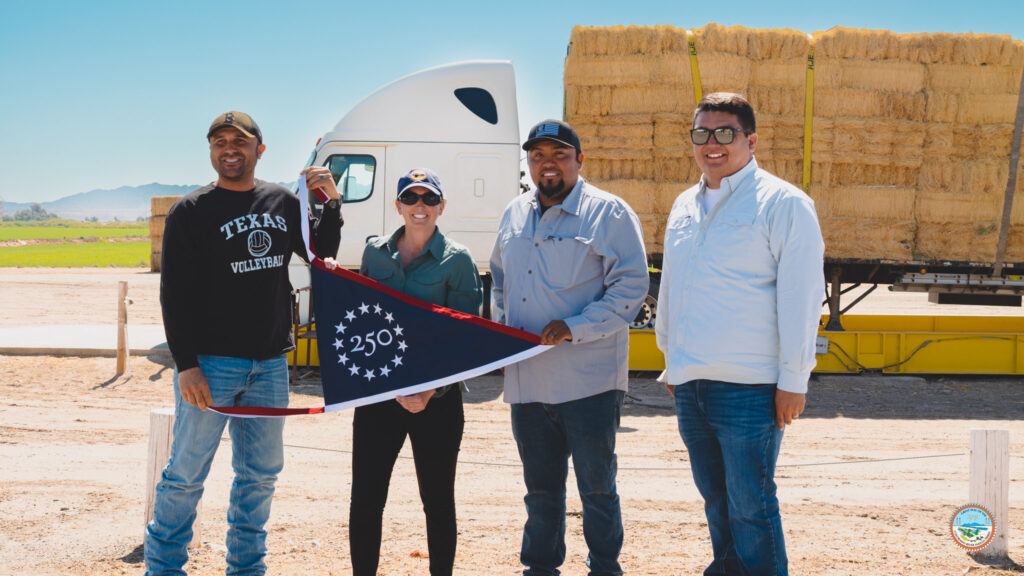
The tour continued at ‘Amat Kuhwely Farms, where Travnicek met with Farm Manager Joshua Moore and local farmers John Nelson and tribal member Ciesto Leivas, Jr.. The farmers discussed the challenges of maintaining agricultural operations while relying on aging and unreliable infrastructure throughout the valley. They also discussed the Bureau of Indian Affairs (BIA) inoperable ability to maintain its own infrastructure and how often (if not daily) these farmers need to do the work of the BIA in order to maintain their crops and yield successful results.
Travnicek listened to their concerns and expressed her willingness to elevate these issues with BIA leaders in DC. She relayed how frustrating it must be for them, and for CRIT overall to not see any updates. (more…)
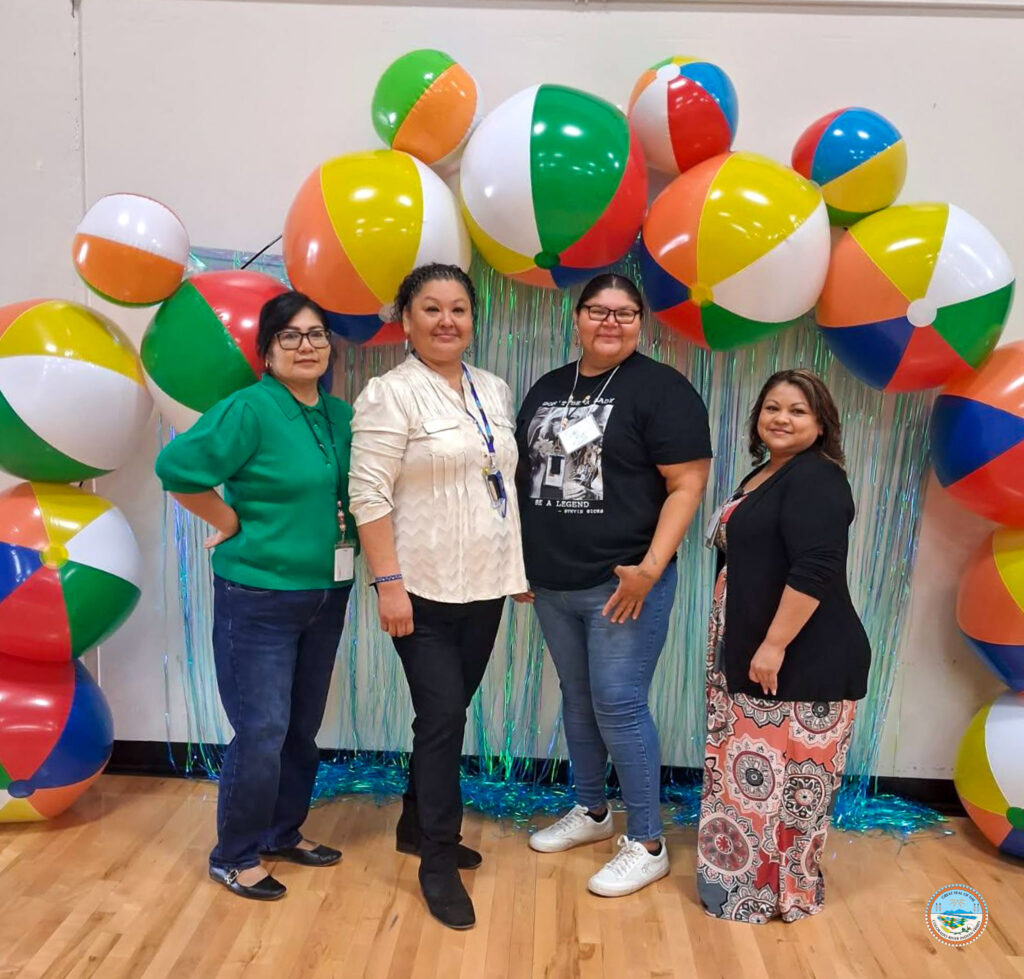
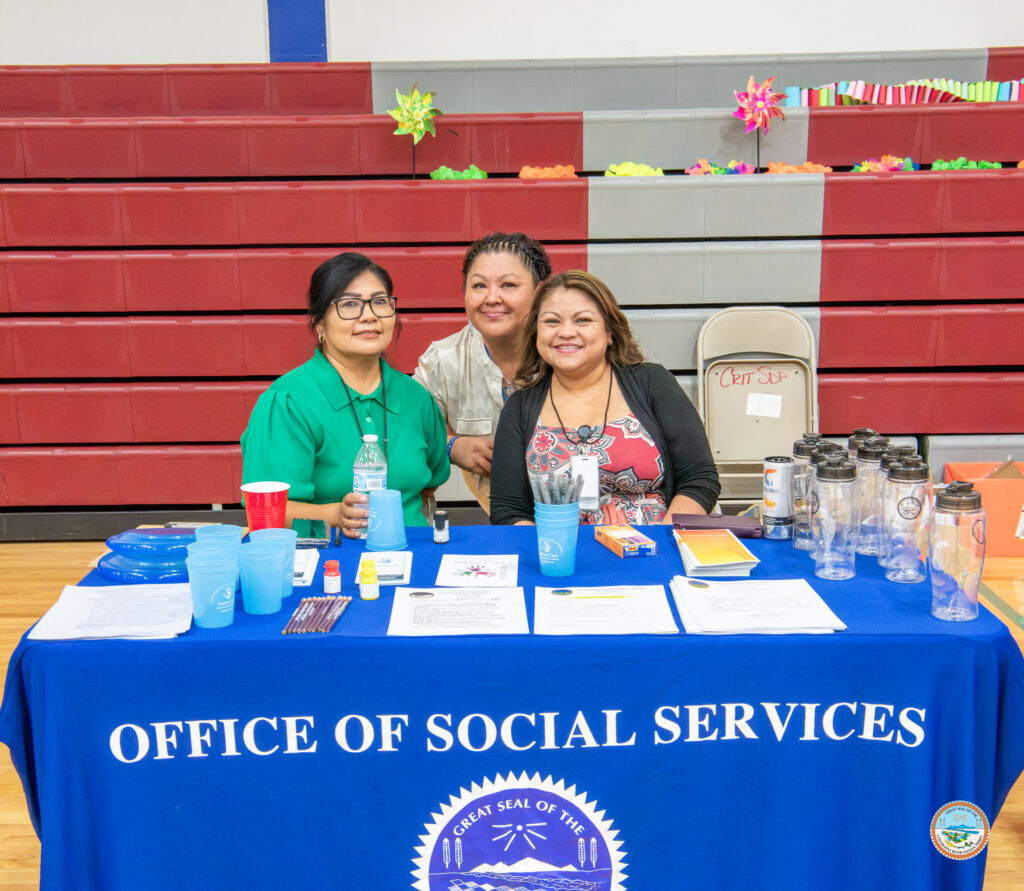
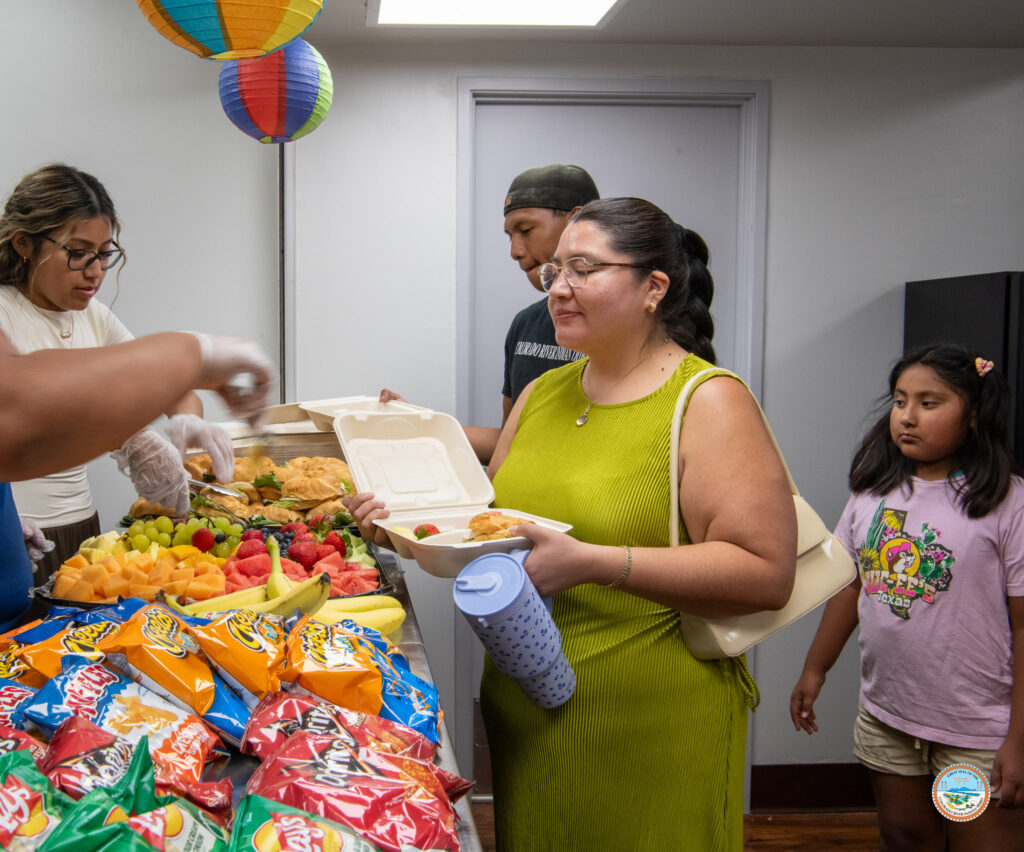
The CRIT Department of Health and Social Services hosted its Health Fair on Wednesday, June 24, at Irataba Hall. The event brought together departments and programs from across the community to share helpful resources and important health information.
There was food, games, raffles, and free shaved ice provided by Uncle Phil’s Awesome Snow Shaved Ice. Guests also left with bags filled with informational flyers, recipes, and useful household items. It was great to see so many departments working together to support and connect with the community.