
The annual CRIT Royalty Pageants returned to Manataba Park on Oct. 2 and 3 for two evenings of competition and celebration. Contestants shared their talents, modeled modern and traditional dress, and introduced themselves to the audience as they competed to represent the Colorado River Indian Tribes for the coming year.
Hosted by the CRIT Royalty Board, this year’s pageants carried the theme “First in Time, First in Right.” The pageant pamphlet connected the theme to the Colorado River through a story of Mastamho, bringing the river and its people into the celebration.
In the story, Mastamho placed a staff into the ground and drew it out to bring forth water. He directed the water north, east, and west, stopping it each time. When he placed the staff into the ground once more and drew it out, he stepped aside and watched the water flow south, making the river. With the people standing behind him, he stretched out his arms to hold them back. The passage closed with the words “First in Time, First in Right.”
Both evenings opened with a welcome from CRIT Royalty Board President Valerie Welsh-Tahbo, followed by the Pledge of Allegiance led by Eva Charles and Brandy Eddy. Co-emcee JaMahke Welsh kept the audience entertained as the program moved through introductions, interviews, and performances. Entertainment by the Lil Macavs and Quechan Xuumar Akuuts added to the celebration.
Friday’s Little Miss pageant featured six contestants: Kathleen Viola Stone, Amelia Jean Gonzales, Alura Rose Walrod, Zyarah Devika Sharp, Calliope Sage Ara Scott, and Allison Rene Gonzales. Modern dress modeling and interviews gave the audience an opportunity to get to know the contestants, while the talent showcase and traditional dress modeling gave each girl another moment in the spotlight.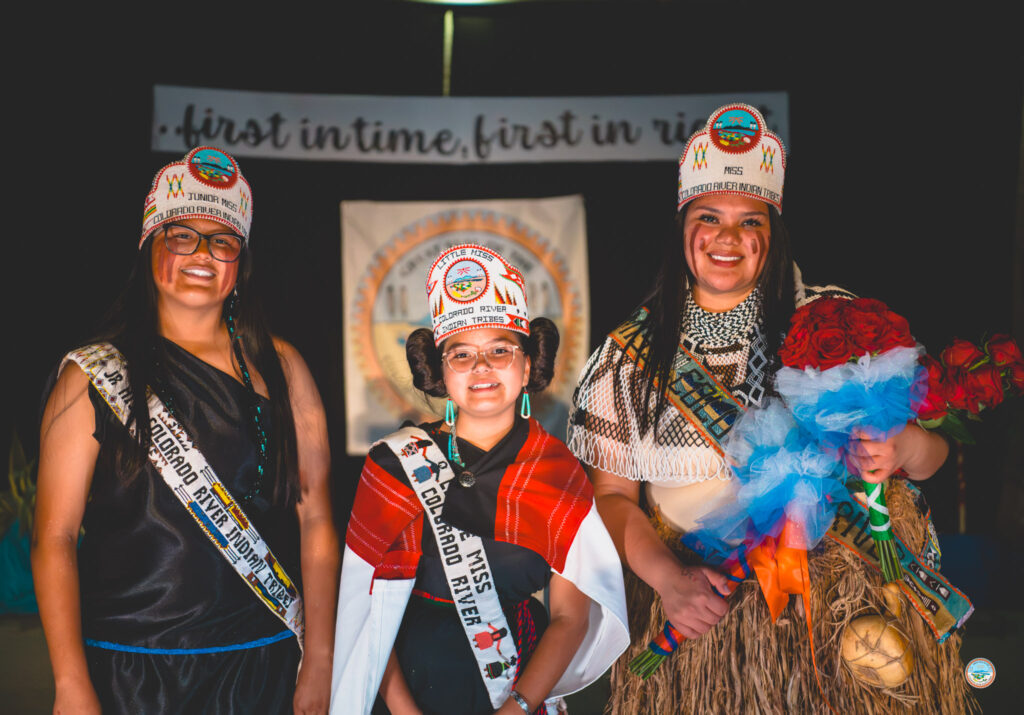
Outgoing Little Miss CRIT Loraina Stone gave her farewell presentation before the evening concluded with the coronation. Alura Rose Walrod, 10, was crowned Little Miss CRIT for 2026–2027. She is the daughter of Amanda and Mario Walrod and is Hopi and Mayan. Joining Alura were first attendant Calliope Sage Ara Scott and second attendant Zyarah Devika Sharp.
The celebration continued Saturday with the Jr. Miss and Miss CRIT pageants. Arianna Kaye Carmona, Jessica Lynn Scott, and Leina Rene Carmona competed for Jr. Miss, while Zoey Moon Sharp and Veronica Webb competed for Miss. Each contestant participated in modern dress modeling and interviews, a talent showcase, and traditional dress modeling.
Saturday also provided an opportunity to recognize outgoing Jr. Miss CRIT Winter Harper and Miss CRIT Brenda Duckey. Their farewell presentations marked the close of their time as royalty as the evening moved toward the crowning of the next representatives. (more…)
The University of Arizona put the Colorado River Indian Tribes and their culture in the spotlight Sept. 5, honoring CRIT during the Wildcats’ Native American Heritage football game against Northern Arizona University.
The recognition went well beyond the game, with members of CRIT’s Mohave, Chemehuevi, Hopi and Navajo communities participating in cultural activities throughout the day.
Festivities began at Bear Down Field, where representatives of CRIT’s tribes shared cultural performances with Wildcat fans and visitors during the Bear Down Bash.
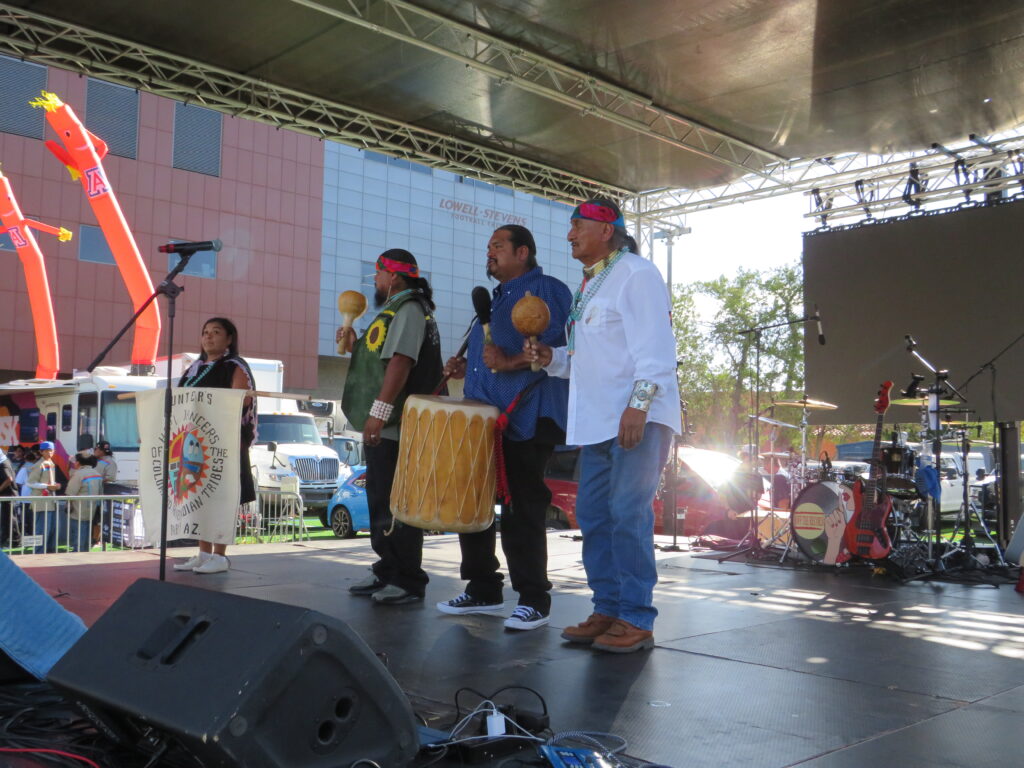
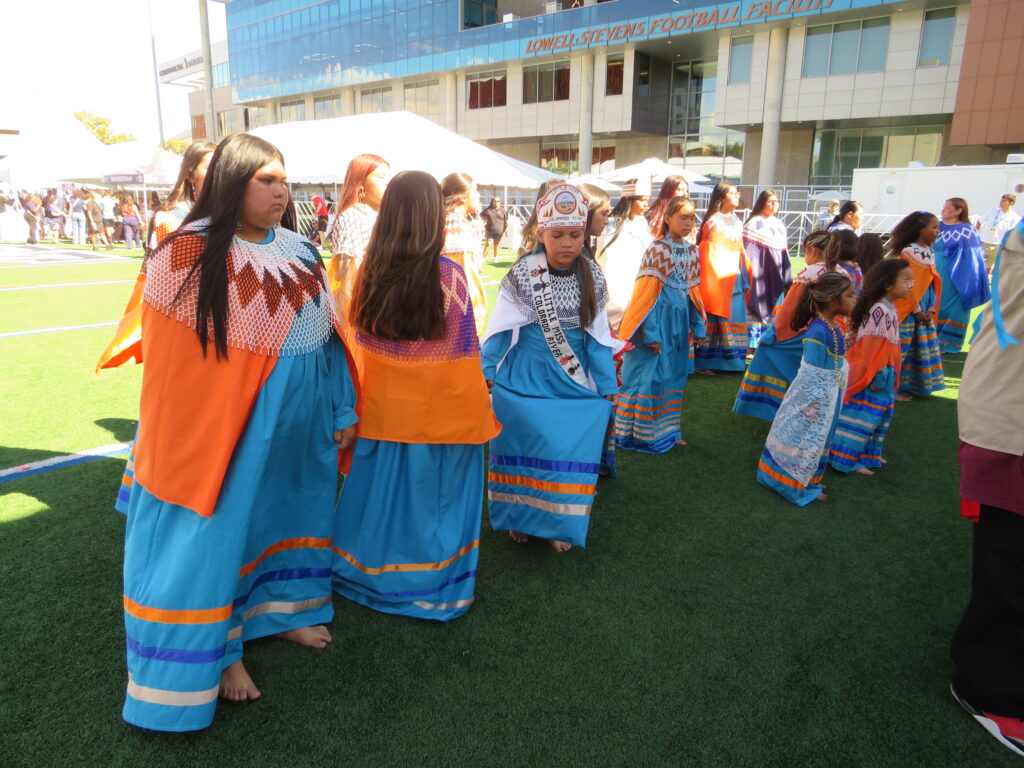
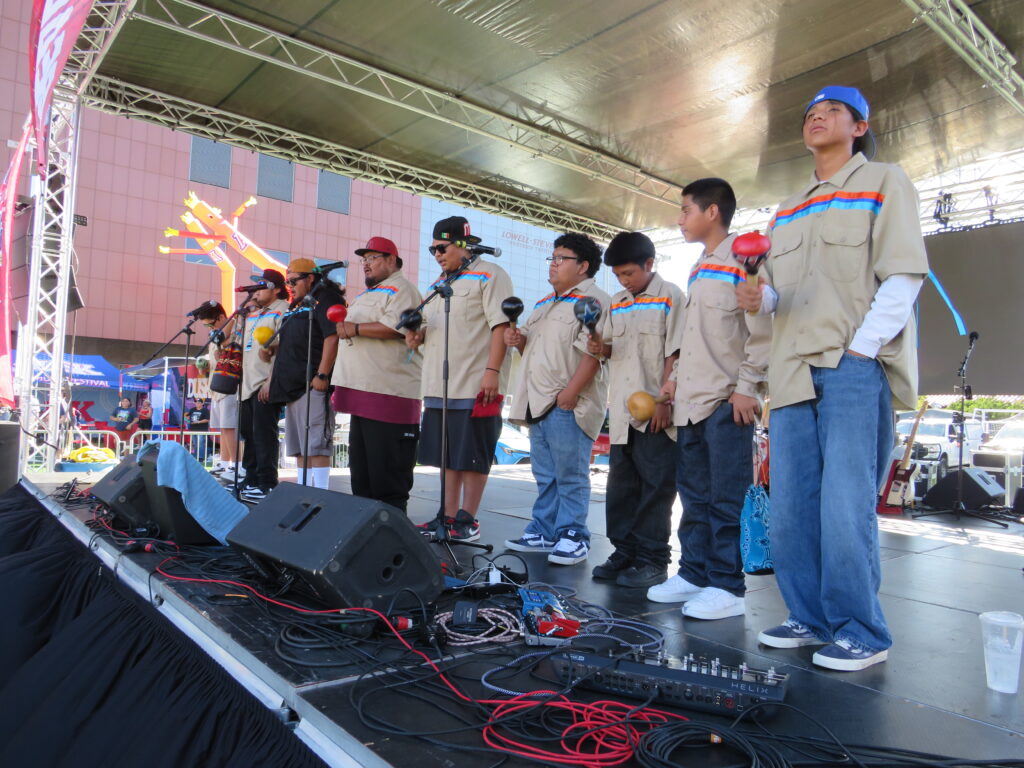
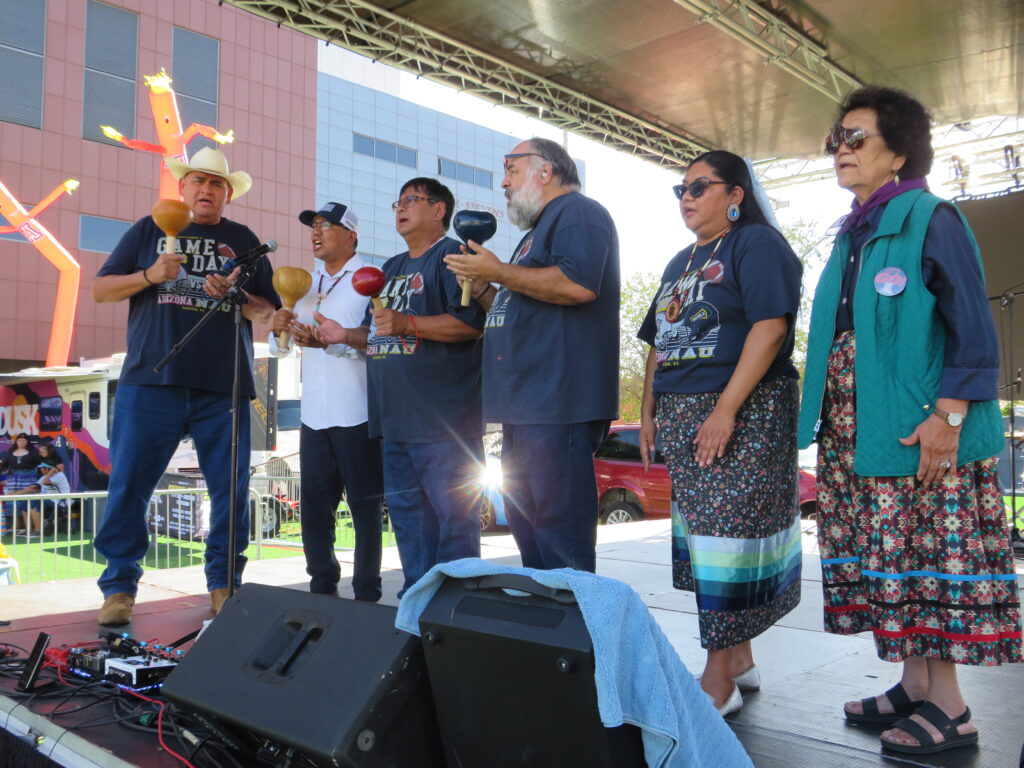
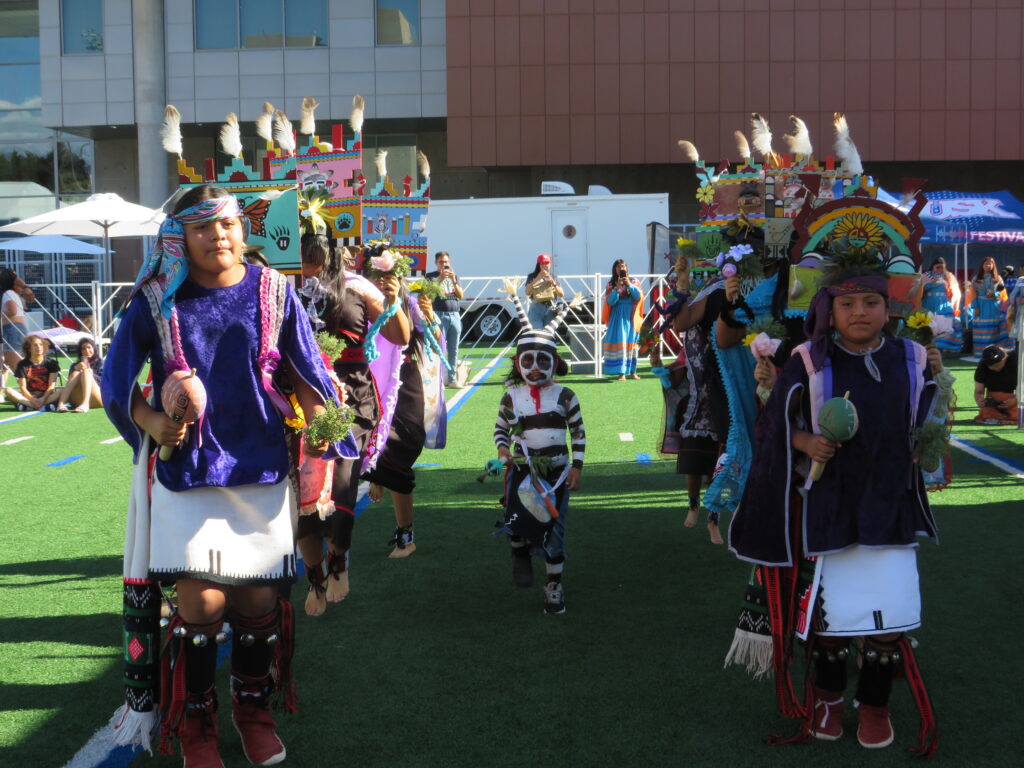
CRIT representatives also participated in the Wildcat Walk, Arizona Football’s traditional pregame arrival. CRIT royalty and tribal leadership were invited to greet the Wildcats’ head coach as part of a gift exchange before the team entered the stadium. (more…)
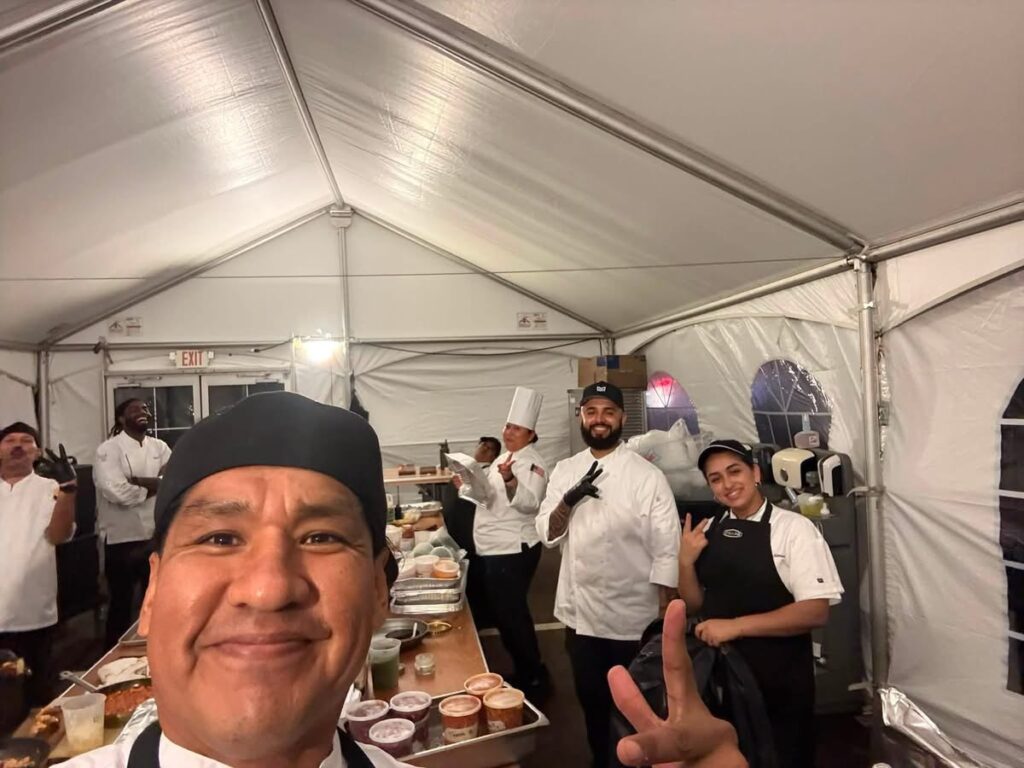
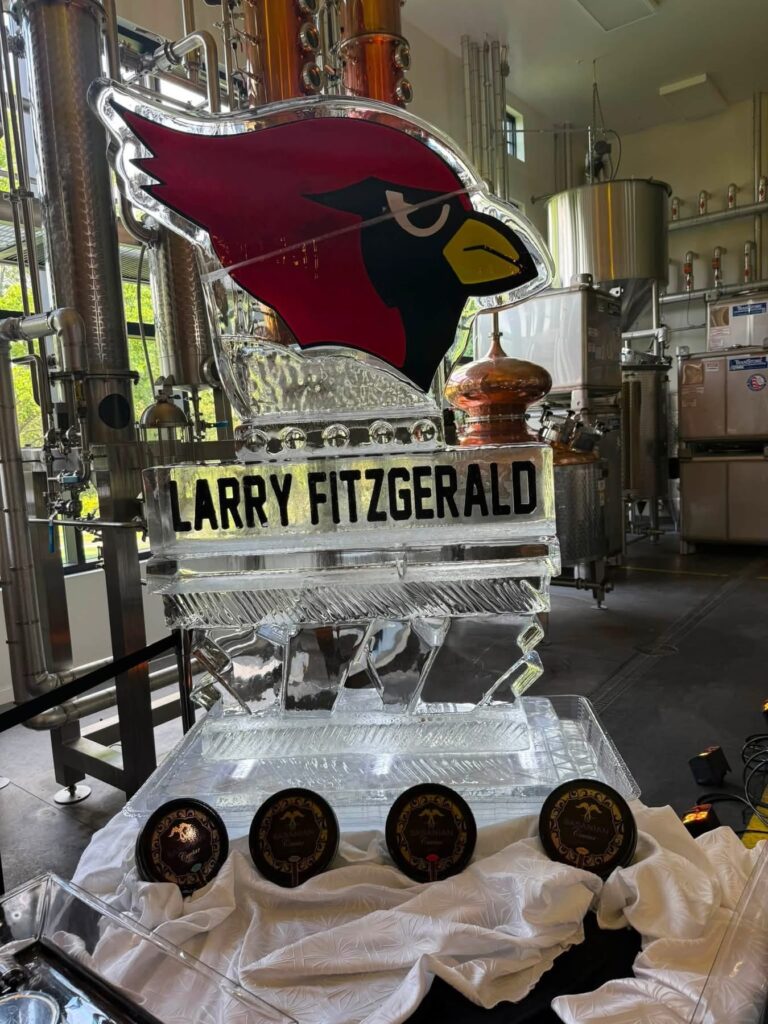
From his start as a dishwasher to his role as a head chef at Steak 44 in Phoenix, CRIT Tribal Member Quincy Stone has built a culinary career that recently took him to Canton, Ohio. There, he helped cater a banquet honoring former Arizona Cardinals wide receiver Larry Fitzgerald during his induction into the Pro Football Hall of Fame.
His aunt, Rachel Martinez, contacted CRIT Media because she wanted his hard work and accomplishment to be recognized. “It’s not every day one of our Tribal Members is invited to such an event,” Martinez said. “He doesn’t feel it’s a big deal, but I do, and I am very proud of him.”
Stone recently learned that he will travel to Beverly Hills next month to assist with additional catering events. Details about the events have not yet been announced.
Congratulations to Quincy on this accomplishment. The Colorado River Indian Tribes wishes him continued success as he represents the CRIT community and continues building his culinary career. Congratulations, Quincy on all your success and you always have the support from your home, the Colorado River Indian Tribes.

Location: Desert Sun Development #86 (100 Homes) Parker Arizona, 85344
Incident: Shooting
******Update******
At this time there is no more threat to the community. Taylor Goodman is now in custody at the CRIT Men’s Detention Facility. I would like to personally thank the community for sharing the post and spreading this information for people to see and help find this person. Thank you.
Cody Paddock, Chief of Police
Colorado River Indian Tribes Police Department
Date: September 20, 2026
Location: Desert Sun Development #86 (100 Homes) Parker Arizona, 85344
Incident: Shooting
At approximately 2:52 a.m. in the morning, CRIT Dispatch received 911 calls in reference to a possible break-in at #86 Desert Sun Development. As officers arrived on scene, they found an unresponsive male subject lying at the front doorway of the residence with a single gunshot wound.
Medical and Fire were called and responded to assist the subject with life saving measures. The male subject was pronounced deceased on scene by medical personnel. Bureau of Indian Affairs Investigator and Federal Bureau of Investigations were called and responded to the scene. At this time, it was stated that a male subject fled the scene, unknown direction of travel. This is currently an active investigation.
Person of interest: Taylor Joel Goodman, Native American, Height 5’09” Weight 300 Hair: brown, Eyes: Brown. If seen, do not approach the subject, he is considered armed and dangerous. Call 911 or CRIT Police Department.
If you have any information regarding this investigation, please call the CRIT Police Department at (928) 669-1277 or the TIPPS Hotline at (928) 669-5341
This case is being investigated by the CRIT Police Department, Federal Bureau of Investigations, Bureau of Indian Affairs. We will update as soon as more information is available.
Cody Paddock, Chief of Police
Colorado River Indian Tribes Police Department