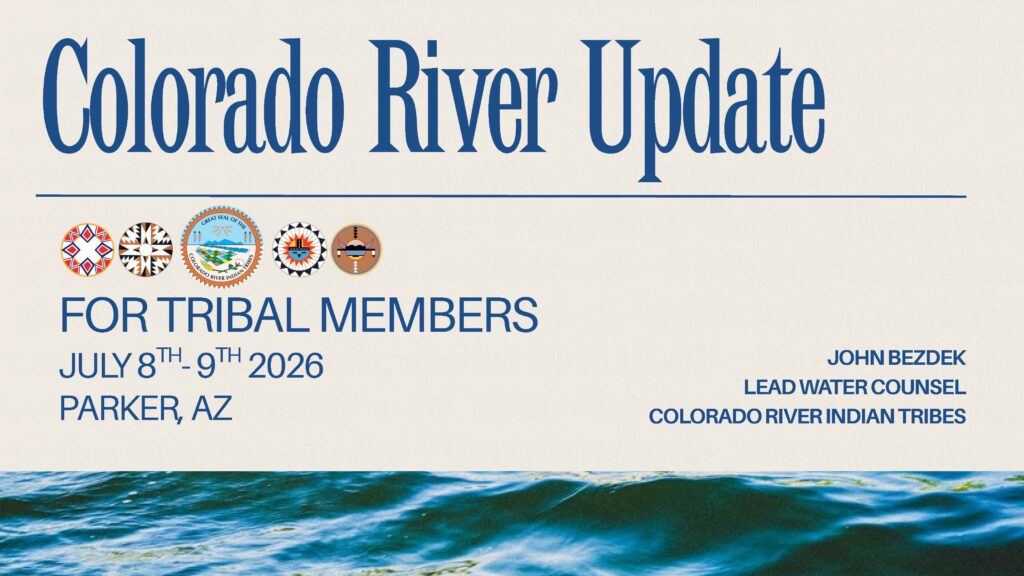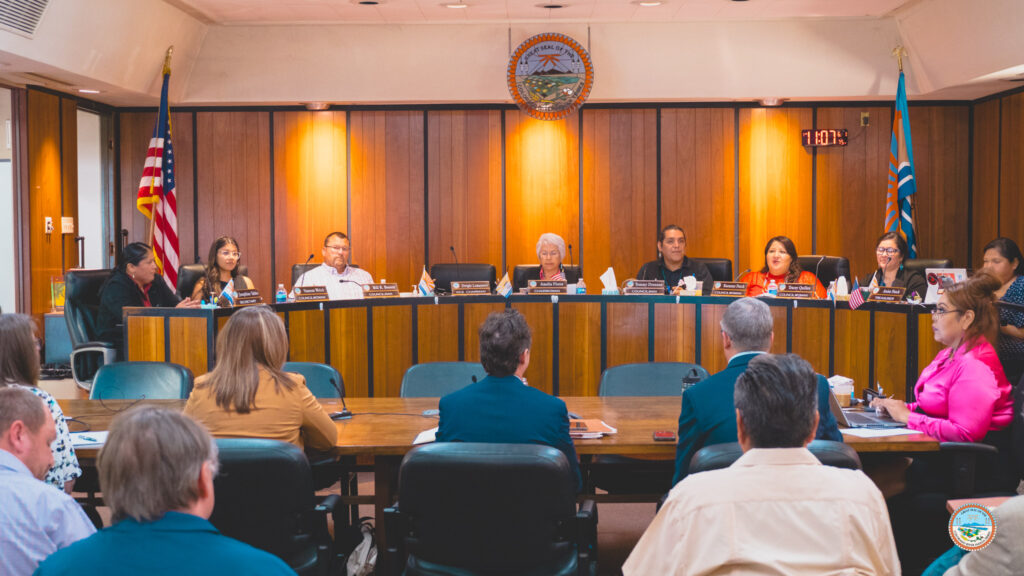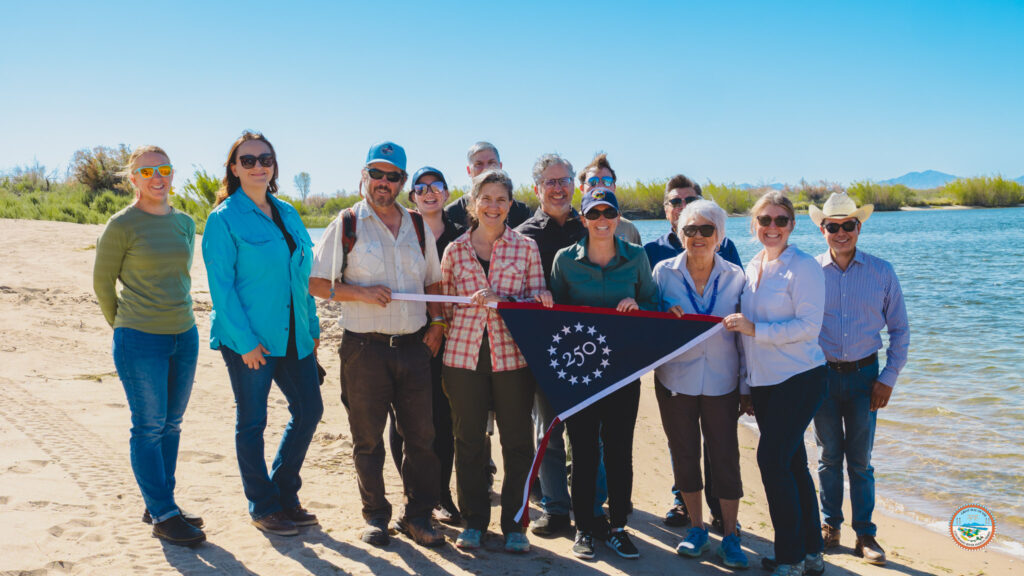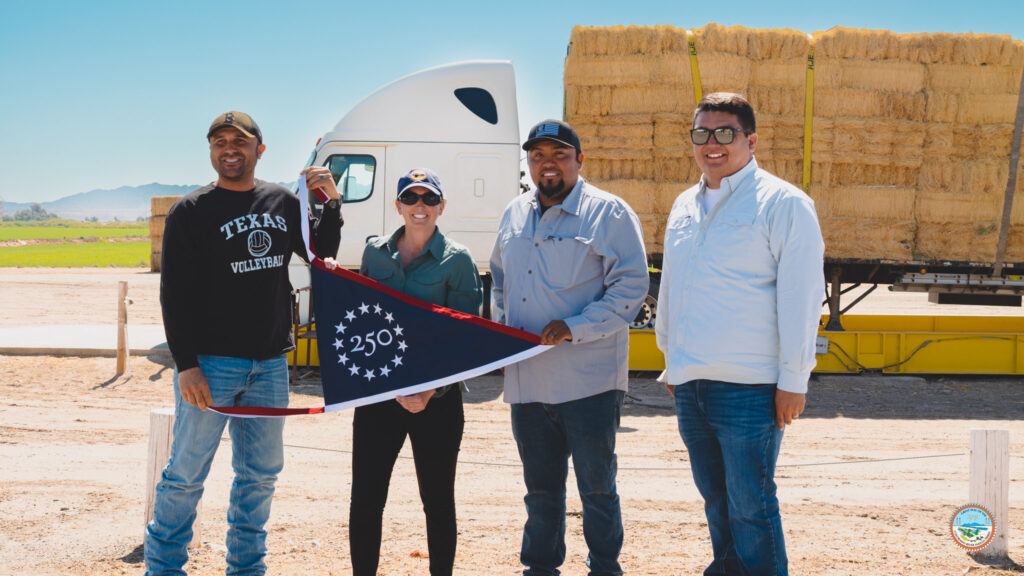
Update : CRIT has extended the deadline date for the General Welfare Application from Oct 17 to Oct 24th at 5pm.
Please click the links to upload related forms
DirectDeposit_ZionsBank_2025_GWP
General Welfare Application Minors_09132025
General Welfare Application_Adult_09132025


The Ten Tribes Partnership (TTP) is seeking a lead contractor. This contractor position is supported by the Colorado River Sustainability Campaign, a fiscally sponsored project of the New Venture Fund.
The TTP was formed in 1992 and is a coalition of ten federally recognized Upper and Lower Basin Tribes that hold water rights in the Colorado River Basin. The member Tribes are: Chemehuevi Indian Tribe, Cocopah Indian Tribe, Colorado River Indian Tribes, Fort Mojave Indian Tribe, Jicarilla Apache Nation, Navajo Nation, Quechan Indian Tribe, Southern Ute Indian Tribe, Ute Indian Tribe, and Ute Mountain Ute Tribe.
The goal of the TTP is to increase the influence of Tribes in Colorado River management and provide support for the protection and use of Tribal water resources. The Colorado River Basin is suffering from extended drought, and the impact of climate change is palpable. TTP is committed to developing a new management framework that uplifts tribal priorities ahead of the 2026 expiration of the 2007 Interim Guidelines. TTP has determined this to be a critical time to hire a Lead Contractor to coordinate its efforts.
According to CBS 5 Arizona’s Family, Arizona could face deeper Colorado River water cuts following missed negotiation deadlines, raising concerns about future water supply stability across the state. Officials say ongoing drought and reduced reservoir levels continue to challenge long-term planning efforts. These developments may lead to increased federal involvement in river management decisions. For CRIT, potential cutbacks are important because federal allocation decisions directly influence how tribal water rights are maintained and protected.
Source: CBS 5 Arizona’s Family — https://www.azfamily.com/2026/02/17/arizona-faces-major-colorado-river-water-cuts-deadline-passes/
According to the Colorado Sun, new forecasts suggest Lake Powell could reach critically low levels that threaten hydropower production and water deliveries if drought conditions persist. Reservoir storage plays a central role in determining how water is distributed across the Colorado River Basin. Experts say ongoing climate pressures and declining inflows continue to complicate long-term planning. For CRIT, reservoir conditions remain important because federal operational decisions tied to storage levels directly affect how tribal water allocations are managed and protected.
Source: Colorado Sun — https://coloradosun.com/2026/02/18/lake-powell-forecast-critical-lows-federal-study/
According to AZPM News, Colorado River basin states missed another federal deadline to reach agreement on future water reductions, increasing the likelihood of additional cutbacks across the Southwest. Officials warn that continued drought and declining reservoir levels could force tougher decisions about water allocation in the coming years. The missed deadline highlights growing uncertainty about long-term river management. For CRIT, potential water reductions and federal policy decisions directly influence how tribal water rights are protected and incorporated into basin planning.
Source: AZPM News — https://news.azpm.org/s/102728-arizona-and-western-states-miss-colorado-river-water-deadline-as-cuts-loom/
According to Newsweek, Lake Powell water levels could drop to critical levels sooner than expected, raising concerns about hydropower production and water deliveries across the Colorado River Basin. Experts say continued drought, reduced snowpack, and high demand are contributing to declining reservoir storage. These conditions add urgency to ongoing negotiations about future river operations. For CRIT, reservoir levels are important because federal decisions tied to storage conditions directly affect how tribal water allocations are managed and sustained.
Source: Newsweek — https://www.newsweek.com/lake-powell-water-could-drop-to-critical-levels-sooner-than-expected-11531274
According to Pinal Central, the Gila River Indian Community expressed concern over the lack of agreement among Colorado River basin states, noting the importance of tribal voices in ongoing water negotiations. Tribal leaders emphasized the need for sustainable solutions that recognize existing water rights while addressing long-term drought conditions. The statement highlights growing awareness of tribal participation in basin discussions. For CRIT, tribal engagement in Colorado River negotiations is significant because it reinforces the importance of protecting tribal sovereignty and water rights across the region.
Source: Pinal Central — https://www.pinalcentral.com/sacaton_central/gric-laments-lack-of-deal-over-colorado-river-water/article_cb91f461-07de-4f88-8d70-c3dec3b96c67.html
A recent statement from Colorado River Commissioner JB Hamby says California and other Lower Basin states have been working with federal officials and neighboring states to develop new long-term operating rules for the Colorado River after 2026. He noted that the original 1922 Colorado River Compact was based on water supply estimates that no longer match today’s reality, as river flows have declined over the past 25 years while demand continues to grow.
According to the statement, California, Arizona, and Nevada committed to major conservation efforts in recent years and have already exceeded planned water savings meant to stabilize Lake Mead and Lake Powell. However, disagreements remain between Upper Basin and Lower Basin states about how future reductions should be shared, and negotiators have not yet reached a final agreement.
For CRIT, these ongoing negotiations are important because federal Colorado River policies, interstate agreements, and conservation requirements directly influence how tribal water rights are protected, managed, and incorporated into long-term river planning that affects the entire region.
Source: https://crb.ca.gov/2026/02/statement-from-jb-hamby-colorado-river-commissioner-for-california/
February 14, 2026
According to the U.S. Department of the Interior, federal officials are moving forward with new operating guidelines for the Colorado River even though the seven basin states have not yet reached full agreement. The updated rules, expected by October 2026, are meant to provide stability for water deliveries, power generation, and long-term management as drought conditions and declining inflows continue to strain the river system. Interior Secretary Doug Burgum said discussions with states, Tribal Nations, and Mexico are ongoing, but federal action is needed to ensure future reliability of the river.
The Colorado River supplies water to about 40 million people, supports millions of acres of farmland, generates hydropower, and serves 30 Tribal Nations, making it one of the most important water sources in the West. Federal officials are currently accepting public comments on the draft environmental review that will guide future reservoir operations.
For CRIT, these federal guidelines are important because Colorado River management decisions directly affect how tribal water rights are protected, how water is allocated in the Lower Basin, and how long-term planning supports the Tribe’s water security, economy, and future generations.
Source: U.S. Department of the Interior / Bureau of Reclamation press release
According to Arizona Mirror, Colorado River negotiations hit a setback as Lower Basin states, including Arizona, criticized Upper Basin states for resisting deeper water conservation commitments. Officials say ongoing drought conditions and declining reservoir levels are increasing pressure to finalize new operating rules before current guidelines expire. The disagreement highlights continuing tension over how water reductions should be shared across the basin. For CRIT, these negotiations are important because interstate agreements and federal management decisions directly influence how tribal water rights are protected and incorporated into long-term river planning.
Source: Arizona Mirror — https://azmirror.com/2026/02/13/arizona-blasts-upper-basin-states-for-refusing-cuts-as-colorado-river-talks-fail/
According to the Arizona Department of Water Resources, state officials say they will continue protecting Arizona’s Colorado River resources even after basin states failed to reach a consensus ahead of the federal deadline. Leaders emphasized ongoing drought challenges and the need for continued negotiations to maintain stability for water users across the region. State agencies say collaboration with federal partners and neighboring states remains essential moving forward. For CRIT, continued state and federal coordination is significant because long-term Colorado River policies directly affect how tribal water rights are recognized and sustained.
Source: ADWR Statement — https://azwaternews.com/2026/02/13/021326_statement/
According to USA Today, Colorado River negotiations approached a critical deadline without a final agreement, reflecting ongoing disputes over how to manage shrinking water supplies across the Southwest. Experts say declining snowpack, persistent drought, and competing demands are making consensus more difficult as states prepare for new post-2026 operating guidelines. Federal involvement may increase if states cannot reach agreement. For CRIT, these developments matter because federal river management decisions play a key role in protecting tribal water rights and ensuring long-term water security.
Source: USA Today — https://www.usatoday.com/story/news/nation/2026/02/13/colorado-river-deal-deadline/88658491007/
According to Arizona Water News, Arizona water leaders recently received a briefing from the governor’s office, the Arizona Department of Water Resources, and the Central Arizona Project on ongoing Colorado River negotiations as a federal deadline approaches. Officials discussed current drought conditions, possible future cutbacks, and the importance of coordinated state and federal planning to stabilize river supplies. The briefing highlights continued uncertainty as states work toward new post-2026 operating guidelines for the river. For CRIT, these negotiations are important because federal and interstate decisions on Colorado River management directly influence how tribal water rights are protected and incorporated into long-term planning.
Source: Arizona Water News — https://www.azwater.gov/news/articles/2026-02-11
According to KJZZ News, Colorado River basin states are facing a federal deadline to reach an agreement on future water management rules, with uncertainty remaining about whether consensus can be reached in time. Experts say possible outcomes range from short-term agreements to federal intervention if negotiations stall, reflecting ongoing tension between Upper Basin and Lower Basin states. Continued drought and competing water demands have made long-term planning increasingly complex. For CRIT, these negotiations matter because federal decisions about river operations directly affect how tribal water rights are recognized and sustained within the broader basin framework.
Source: KJZZ News — https://www.kjzz.org/the-show/2026-02-12/colorado-river-states-are-staring-down-a-feb-14-deadline-heres-what-might-happen-next
According to the Lake Powell Chronicle, federal officials have outlined a post-2026 framework aimed at preventing further decline of the Colorado River system as drought pressures continue. The proposed blueprint focuses on conservation strategies, operational adjustments, and coordinated planning among basin states to stabilize reservoir levels and long-term water supplies. These discussions reflect ongoing efforts to balance environmental conditions, population growth, and water demand across the Southwest. For CRIT, long-term federal planning for the Colorado River is significant because these policies help shape how tribal water rights are protected and managed for future generations.
Source: Lake Powell Chronicle — https://lakepowellchronicle.com/stories/feds-unveil-post-2026-blueprint-to-avert-colorado-river-collapse,99303
According to ABC 15 Arizona, researchers at Arizona State University are developing technology that converts industrial wastewater into ultra-pure water, potentially expanding future water reuse options in the Southwest. Scientists say advanced treatment methods could help supplement limited freshwater supplies while supporting growing populations and industries. Water recycling and reuse are increasingly discussed as part of long-term drought resilience strategies. For CRIT, emerging water reuse technologies may play a role in future regional water planning as tribes, states, and federal agencies work to protect limited Colorado River resources.
Source: ABC 15 Arizona — https://www.abc15.com/news/local-news/asu-turns-industrial-wastewater-into-ultra-pure-water
If you’ve seen this missing child, please click this link below to help locate her.
https://www.missingkids.org/poster.print.html/NCMC/2084582/1

As CRIT Media approaches this year’s first newspaper, we’re inviting the community to help us celebrate the amazing mothers in our lives this Mother’s Day.
If you’d like to honor a special mom, you can submit her photo along with a short message sharing why she means so much to you and what makes her an incredible mother. Her photo and bio will be featured in the upcoming Manataba Messenger Newspaper.
As part of this celebration, we’re also offering complimentary family portrait sessions in our Media studio for any selected participants who would like to take part or you can send us a photo with a summary explaining why you are nominating this special mom for Mothers Day!
The deadline for entering is May 1st.
Please email critmedia@crit-nsn.gov to nominate a special mother!


The prolonged drought combined with the lowest winter snowpack on record is requiring swift actions to protect this vital water system
WASHINGTON – Long-term drought has reduced Colorado River system storage to about 36 percent of capacity, and the combination of the lowest snowpack on record and record-breaking March heat has further intensified drought conditions across the Basin. These compounding factors are creating elevated risks to essential water and power infrastructure that supply water to more than 40 million people, underscoring the need for immediate action.
Lake Powell’s water year minimum probable inflow is forecasted at just 2.78 million acre-feet—29% of historical average and one of the lowest on record. Reclamation’s April “24 Month Study” projects Lake Powell may decline to below 3,490 feet—the minimum power pool level—by August 2026 without major intervention. If Glen Canyon Dam declines below 3,490 feet, water releases would be only through the river outlet works, which could cause operational issues, uncertainty for users, downstream impacts, instability in regional power and water supplies, and a reduction in power generation.
Secretary of the Interior Doug Burgum met with Governors for the seven basin states, Arizona, California, Colorado, Nevada, New Mexico, Utah and Wyoming, and their designees again today to discuss the concerning hydrology and plans for operations.
“I am grateful for the Governors and their teams working diligently to find a solution to the complex challenges created by these unprecedented drought conditions which require immediate action,” said Interior Secretary Doug Burgum. “Interior and Reclamation continue to coordinate with the basin states, tribes, Mexico and basin stakeholders as we make the decisions necessary to operate and protect the system.”
To stabilize the system, Reclamation is moving quickly and initial plans include adding up to about 2.48 maf of water to Lake Powell by moving water from the upstream Flaming Gorge Reservoir and by reducing releases from Lake Powell.
Through the 2019 Drought Response Operating Agreements, Reclamation is intending to release 660,000 acre-feet to 1 maf from Flaming Gorge Reservoir from April 2026 through April 2027. In addition, Reclamation is intending to reduce the annual release volume from Lake Powell to Lake Mead by 1.48 maf—from 7.48 maf to 6.0 maf—through September 2026 by utilizing section 6E of the Record of Decision from the final 2024 Supplemental Environmental Impact Statement for near-term Colorado River Operations.
Together, these actions are expected to increase Lake Powell’s elevation by approximately 54 ft to at least elevation 3500 feet by April 2027. Through the current, ongoing DROA process, the basin states, tribes and partners continue to provide feedback related to the proposed releases. A final decision will be coming next week.
Flaming Gorge Reservoir now holds about 3.1 maf of water, which is 83% full. These actions are expected to lower the reservoir’s elevation by roughly 35 feet over the next year to approximately 59% of capacity. This will have no effect on contracted water rights at Flaming Gorge or Lake Powell. No additional releases from the other upstream initial units of the Colorado River Storage Project Act—Blue Mesa and Navajo reservoirs—are planned at this time, due to their low water levels and poor forecasted inflows.
“Given the severity of the risks facing the Colorado River system, it is imperative that we take action quickly to protect a resource that supplies water to 40 million people and supports vital agricultural, hydropower production, tribal, wildlife, and recreational uses across the region,” said Assistant Secretary — Water and Science Andrea Travnicek. “As we weigh current conditions and prepare for future operations by working with states, tribal nations and stakeholders, the Department of the Interior and Reclamation remain fully committed to taking the actions necessary to reduce impacts on water deliveries, safeguard critical infrastructure, and preserve as much operational flexibility as possible.” (more…)
Parker, Ariz.) The Colorado River Indian Tribes (CRIT) welcomes the news that The U.S. Ninth Circuit Court of Appeals has rejected the Arizona Legislature’s challenge to Baaj Nwaavjo I’tah Kukveni-Ancestral Footprints of the Grand Canyon National Monument. The monument, established by a 2023 presidential proclamation, protects approximately 917,000 acres of federal land surrounding the Grand Canyon.
CRIT is part of the Grand Canyon Tribal Leaders’ Coalition and the Baaj Nwaavjo I’tah Kukveni Tribal Commission.

CRIT Chairwoman Amelia Flores said, “The Colorado River is indistinguishably connected to the lands of the Baaj Nwaavjo I’tah Kukveni Grand Canyon National Monument. This monument protects the health of the Colorado River, the surrounding lands, and the irreplaceable cultural resources. This ruling designation honors the tribal connections to the surrounding lands and the value of tribal stewardship in protecting the waters that flow through the Grand Canyon down to our reservation.”
Leadership from the Colorado River Indian Tribal Council served a major role in the official designation of the Monument an attended its dedication ceremony in August 2023.