November 13, 2026 7:16 pm
CRIT Nation, Parker, AZ
November 13, 2026 7:16 pm
CRIT Nation, Parker, AZ

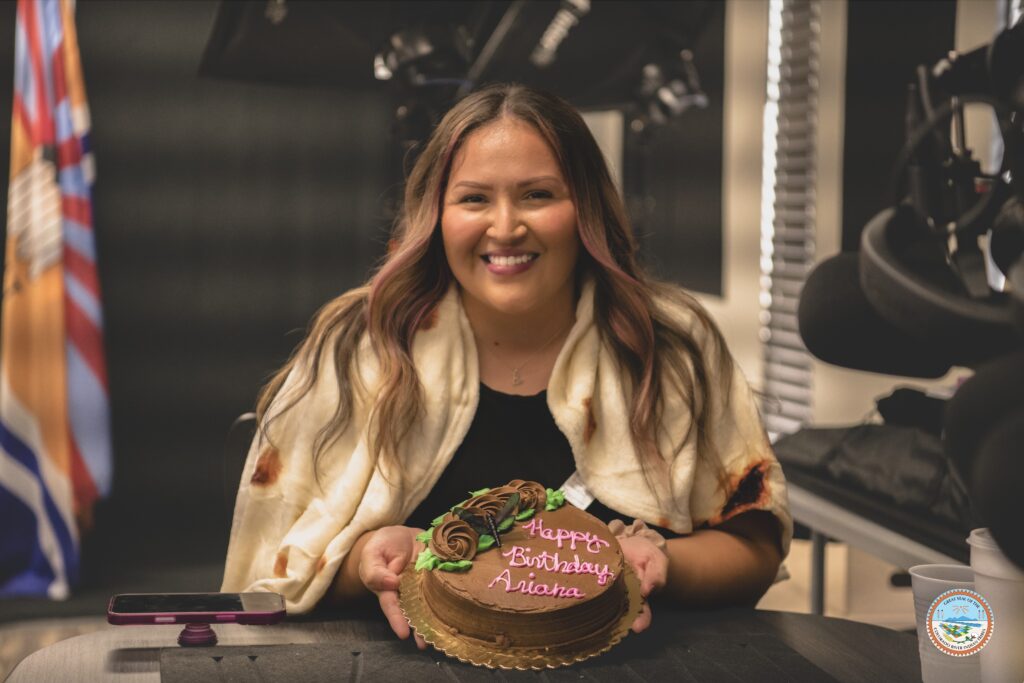
Happy Birthday to our very own Ariana Romero! She has been flourishing in the Media Department of CRIT going to all the fun events in the community, writing articles, and becoming quite the photographer! Ariana has been a great proactive reporter providing insightful ideas on what the next story should be and how we can best showcase the wonderful CRIT Community. We are lucky to have her on our team and we wish her a wonderful birthday.

This is open to TERO Clients & Open to the Public.


A recent statement from Colorado River Commissioner JB Hamby says California and other Lower Basin states have been working with federal officials and neighboring states to develop new long-term operating rules for the Colorado River after 2026. He noted that the original 1922 Colorado River Compact was based on water supply estimates that no longer match today’s reality, as river flows have declined over the past 25 years while demand continues to grow. 

According to the statement, California, Arizona, and Nevada committed to major conservation efforts in recent years and have already exceeded planned water savings meant to stabilize Lake Mead and Lake Powell. However, disagreements remain between Upper Basin and Lower Basin states about how future reductions should be shared, and negotiators have not yet reached a final agreement. 

For CRIT, these ongoing negotiations are important because federal Colorado River policies, interstate agreements, and conservation requirements directly influence how tribal water rights are protected, managed, and incorporated into long-term river planning that affects the entire region.

Source: https://crb.ca.gov/2026/02/statement-from-jb-hamby-colorado-river-commissioner-for-california/


February 14, 2026

According to the U.S. Department of the Interior, federal officials are moving forward with new operating guidelines for the Colorado River even though the seven basin states have not yet reached full agreement. The updated rules, expected by October 2026, are meant to provide stability for water deliveries, power generation, and long-term management as drought conditions and declining inflows continue to strain the river system. Interior Secretary Doug Burgum said discussions with states, Tribal Nations, and Mexico are ongoing, but federal action is needed to ensure future reliability of the river.

The Colorado River supplies water to about 40 million people, supports millions of acres of farmland, generates hydropower, and serves 30 Tribal Nations, making it one of the most important water sources in the West. Federal officials are currently accepting public comments on the draft environmental review that will guide future reservoir operations.

For CRIT, these federal guidelines are important because Colorado River management decisions directly affect how tribal water rights are protected, how water is allocated in the Lower Basin, and how long-term planning supports the Tribe’s water security, economy, and future generations.

Source: U.S. Department of the Interior / Bureau of Reclamation press release

According to Arizona Mirror, Colorado River negotiations hit a setback as Lower Basin states, including Arizona, criticized Upper Basin states for resisting deeper water conservation commitments. Officials say ongoing drought conditions and declining reservoir levels are increasing pressure to finalize new operating rules before current guidelines expire. The disagreement highlights continuing tension over how water reductions should be shared across the basin. For CRIT, these negotiations are important because interstate agreements and federal management decisions directly influence how tribal water rights are protected and incorporated into long-term river planning.

Source: Arizona Mirror — https://azmirror.com/2026/02/13/arizona-blasts-upper-basin-states-for-refusing-cuts-as-colorado-river-talks-fail/

According to the Arizona Department of Water Resources, state officials say they will continue protecting Arizona’s Colorado River resources even after basin states failed to reach a consensus ahead of the federal deadline. Leaders emphasized ongoing drought challenges and the need for continued negotiations to maintain stability for water users across the region. State agencies say collaboration with federal partners and neighboring states remains essential moving forward. For CRIT, continued state and federal coordination is significant because long-term Colorado River policies directly affect how tribal water rights are recognized and sustained.

Source: ADWR Statement — https://azwaternews.com/2026/02/13/021326_statement/

According to USA Today, Colorado River negotiations approached a critical deadline without a final agreement, reflecting ongoing disputes over how to manage shrinking water supplies across the Southwest. Experts say declining snowpack, persistent drought, and competing demands are making consensus more difficult as states prepare for new post-2026 operating guidelines. Federal involvement may increase if states cannot reach agreement. For CRIT, these developments matter because federal river management decisions play a key role in protecting tribal water rights and ensuring long-term water security.

Source: USA Today — https://www.usatoday.com/story/news/nation/2026/02/13/colorado-river-deal-deadline/88658491007/

According to Arizona Water News, Arizona water leaders recently received a briefing from the governor’s office, the Arizona Department of Water Resources, and the Central Arizona Project on ongoing Colorado River negotiations as a federal deadline approaches. Officials discussed current drought conditions, possible future cutbacks, and the importance of coordinated state and federal planning to stabilize river supplies. The briefing highlights continued uncertainty as states work toward new post-2026 operating guidelines for the river. For CRIT, these negotiations are important because federal and interstate decisions on Colorado River management directly influence how tribal water rights are protected and incorporated into long-term planning.

Source: Arizona Water News — https://www.azwater.gov/news/articles/2026-02-11

According to KJZZ News, Colorado River basin states are facing a federal deadline to reach an agreement on future water management rules, with uncertainty remaining about whether consensus can be reached in time. Experts say possible outcomes range from short-term agreements to federal intervention if negotiations stall, reflecting ongoing tension between Upper Basin and Lower Basin states. Continued drought and competing water demands have made long-term planning increasingly complex. For CRIT, these negotiations matter because federal decisions about river operations directly affect how tribal water rights are recognized and sustained within the broader basin framework.

Source: KJZZ News — https://www.kjzz.org/the-show/2026-02-12/colorado-river-states-are-staring-down-a-feb-14-deadline-heres-what-might-happen-next

According to the Lake Powell Chronicle, federal officials have outlined a post-2026 framework aimed at preventing further decline of the Colorado River system as drought pressures continue. The proposed blueprint focuses on conservation strategies, operational adjustments, and coordinated planning among basin states to stabilize reservoir levels and long-term water supplies. These discussions reflect ongoing efforts to balance environmental conditions, population growth, and water demand across the Southwest. For CRIT, long-term federal planning for the Colorado River is significant because these policies help shape how tribal water rights are protected and managed for future generations.

Source: Lake Powell Chronicle — https://lakepowellchronicle.com/stories/feds-unveil-post-2026-blueprint-to-avert-colorado-river-collapse,99303

According to ABC 15 Arizona, researchers at Arizona State University are developing technology that converts industrial wastewater into ultra-pure water, potentially expanding future water reuse options in the Southwest. Scientists say advanced treatment methods could help supplement limited freshwater supplies while supporting growing populations and industries. Water recycling and reuse are increasingly discussed as part of long-term drought resilience strategies. For CRIT, emerging water reuse technologies may play a role in future regional water planning as tribes, states, and federal agencies work to protect limited Colorado River resources.

Source: ABC 15 Arizona — https://www.abc15.com/news/local-news/asu-turns-industrial-wastewater-into-ultra-pure-water

(more…)

According to KJZZ News, potential Colorado River cutbacks could increase operating costs for Arizona water utilities and even affect their credit ratings, which utilities rely on to fund infrastructure projects. Analysts say uncertainty around long-term river supplies makes financial planning more difficult and could raise costs tied to water treatment, delivery, and conservation investments. These financial ripple effects show how water shortages extend beyond environmental concerns into economic stability across the region. For CRIT, shifts in regional water costs and infrastructure planning can influence broader river management decisions that ultimately affect how tribal water rights are maintained and utilized.

Source: KJZZ News — https://www.kjzz.org/the-show/2026-02-11/colorado-river-cuts-could-increase-arizona-utilities-costs-and-affect-their-credit-ratings

According to the Sierra Vista Herald Review, basin states are facing an approaching deadline to agree on new Colorado River management guidelines before current rules expire. Ongoing disagreements between Upper Basin and Lower Basin states, combined with continued drought pressures, have slowed negotiations and raised concerns about potential legal disputes if a consensus is not reached. Federal oversight remains a key factor in shaping how future allocations will be determined. For CRIT, these negotiations are important because federal river management decisions directly affect how tribal water rights are recognized, protected, and incorporated into long-term basin planning.

Source: Sierra Vista Herald Review — https://www.myheraldreview.com/news/state/deadline-approaches-for-colorado-river-negotiations/article_5dd6fa1d-eed1-4d98-82f2-4a754853da3c.html

According to KTNV Channel 13 News in Las Vegas, low snowpack levels across the Mountain West are raising concerns about water supplies for Southern Nevada and the broader Colorado River Basin. Snowpack acts as a natural reservoir that feeds rivers and storage lakes during spring runoff, so below-average levels can reduce future water availability and increase pressure on already stressed reservoirs. Experts say continued dry conditions could complicate long-term water planning across the Southwest. For CRIT, declining snowpack is significant because reduced river flows can influence future allocation decisions and federal management strategies affecting tribal water resources.

Source: KTNV News — https://www.ktnv.com/news/why-low-snowpack-levels-raising-alarms-for-southern-nevada-water-supply

According to Newsweek, new data showing concerning water levels at Lake Powell is adding to ongoing worries about the long-term stability of the Colorado River system. Reservoir levels play a critical role in determining water deliveries, hydropower production, and shortage declarations throughout the Southwest. Continued drought conditions combined with sustained demand have kept pressure on the basin’s major storage systems. For CRIT, reservoir conditions remain important because federal water management decisions tied to storage levels directly affect how tribal water allocations are managed and protected.

Source: Newsweek — https://www.newsweek.com/lake-powell-water-levels-as-concerning-data-revealed-11500468

According to the Center for Colorado River Studies at Utah State University, Lake Powell and Lake Mead have recently shown differing storage trends, reflecting the complexity of managing water across the Colorado River system. Researchers say reservoir operations, inflows, releases, and ongoing drought conditions all contribute to shifting water levels that can affect supply planning throughout the basin. Understanding how these reservoirs interact is key to long-term river management decisions. For CRIT, these reservoir dynamics matter because federal operational decisions tied to storage levels directly influence how Colorado River water is allocated and protected for tribal communities.

Source: Center for Colorado River Studies — https://qanr.usu.edu/coloradoriver/news/blog-2026-2-9

According to KJZZ News, the Colorado River Basin is experiencing one of its driest winters in decades, with snowpack levels far below average in key areas that supply water to Lake Powell and Lake Mead. Scientists warn that reduced snowpack could lead to lower river flows this year, increasing pressure on already strained reservoirs and complicating ongoing negotiations over long-term water management. Because snowpack acts as the primary natural storage system for the river, weaker winters often translate into tighter water supplies downstream. For CRIT, these conditions matter because reduced river flows can influence future allocation decisions, federal management strategies, and long-term planning for tribal water resources.

Source: KJZZ News — https://www.kjzz.org/science/2026-02-09/the-colorado-river-is-having-its-driest-winter-in-decades

According to ABC News, record-low snowpack across much of the western United States is raising concerns about potential water shortages, wildfire risks, and continued stress on major river systems including the Colorado River. Experts say warmer temperatures and shifting precipitation patterns are reducing snow accumulation that normally feeds reservoirs during spring runoff. These trends could influence future water allocation planning as states and federal agencies work toward updated river management strategies. For CRIT, changes in snowpack levels matter because they directly affect Colorado River flows that shape long-term water availability and policy decisions impacting tribal communities.

Source: ABC News — https://abcnews.com/US/wireStory/record-snow-drought-western-us-raises-concern-spring-130016613

According to the San Mateo Daily Journal, a key deadline is approaching for Colorado River basin states to reach an agreement on new water management rules before current guidelines expire. Ongoing disagreements between upper and lower basin states, combined with persistent drought conditions, have slowed progress and increased concerns about potential legal disputes if consensus is not reached. Federal oversight plays a major role in shaping these negotiations, particularly for the Lower Basin where water allocations are closely regulated. For CRIT, these negotiations are significant because future federal river management decisions directly affect how tribal water rights are recognized, protected, and incorporated into basin planning.

Source: San Mateo Daily Journal — https://www.djournal.com/news/national/deadline-approaches-for-colorado-river-negotiations/article_5a129b32-06cb-50c0-8945-5186943db1db.html

According to KJZZ News, a new groundwater monitoring tool developed in Nevada is helping scientists better understand how groundwater pumping affects habitats, water availability, and long-term sustainability across the Mountain West. Researchers say improved data can support more informed water management decisions as communities balance development, agriculture, and environmental needs. Groundwater use is increasingly important as surface water supplies face ongoing pressure from drought and climate variability. For CRIT, regional groundwater management discussions matter because they influence broader basin water planning and long-term strategies for protecting tribal water resources.

Source: KJZZ News — https://www.kjzz.org/science/2026-02-08/a-nevada-groundwater-tool-highlights-strained-habitats-with-lessons-for-the-mountain-west

According to Reuters, the Colorado River has been identified as the most endangered river in the United States due to ongoing drought, rising demand, and increasing pressure on its limited water supplies. Experts say declining reservoir levels, climate impacts, and competing state interests continue to challenge long-term sustainability across the basin. The designation highlights growing national attention on the need for cooperative water management and conservation efforts. For CRIT, this recognition underscores the importance of protecting tribal water rights as regional policies evolve to address long-term river stability.

Source: Reuters — https://www.reutersconnect.com/item/colorado-river-is-named-the-most-endangered-river-in-the-united-states-as-the-southwestern-states-face-water-shortages/dGFnOnJldXRlcnMuY29tLDIwMjI6bmV3c21sX1JDMjBRVDlVUEZKMg

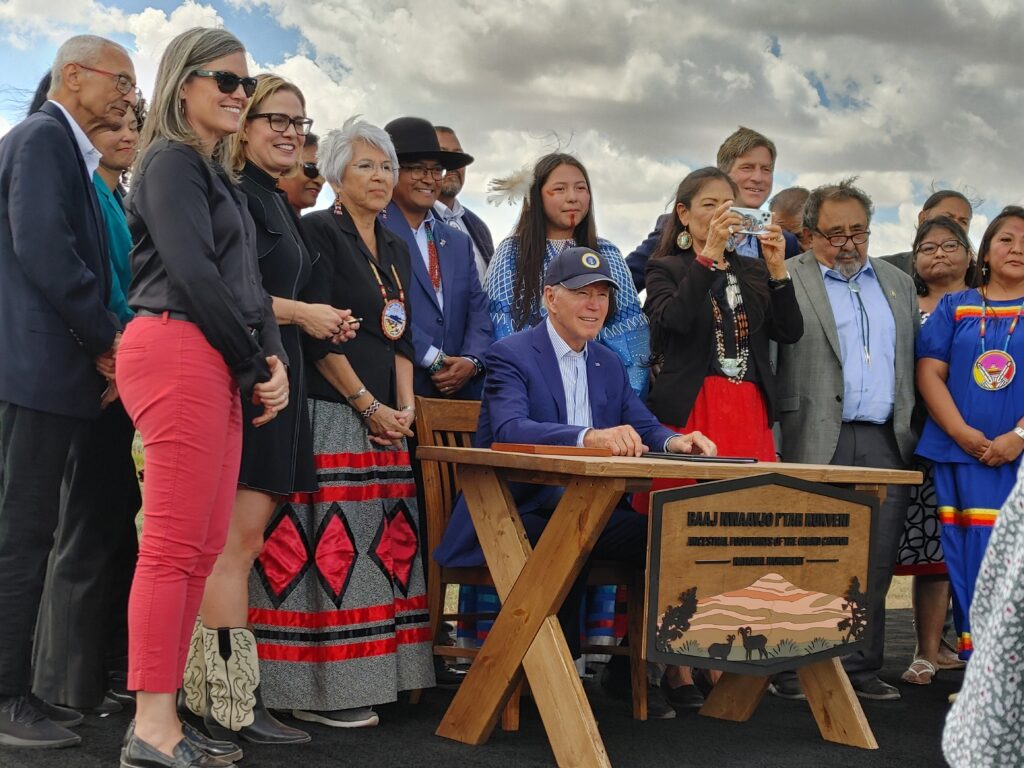
Parker, Ariz.) The Colorado River Indian Tribes (CRIT) welcomes the news that The U.S. Ninth Circuit Court of Appeals has rejected the Arizona Legislature’s challenge to Baaj Nwaavjo I’tah Kukveni-Ancestral Footprints of the Grand Canyon National Monument. The monument, established by a 2023 presidential proclamation, protects approximately 917,000 acres of federal land surrounding the Grand Canyon.

CRIT is part of the Grand Canyon Tribal Leaders’ Coalition and the Baaj Nwaavjo I’tah Kukveni Tribal Commission.

CRIT Chairwoman Amelia Flores said, “The Colorado River is indistinguishably  connected to the lands of the Baaj Nwaavjo I’tah Kukveni Grand Canyon National Monument. This monument protects the health of the Colorado River, the surrounding lands, and the irreplaceable cultural resources.   This ruling designation honors the tribal connections to the surrounding lands and the value of tribal stewardship in protecting the waters that flow through the Grand Canyon down to our reservation.”

Leadership from the Colorado River Indian Tribal Council served a major role in the official designation of the Monument an attended its dedication ceremony in August 2023.

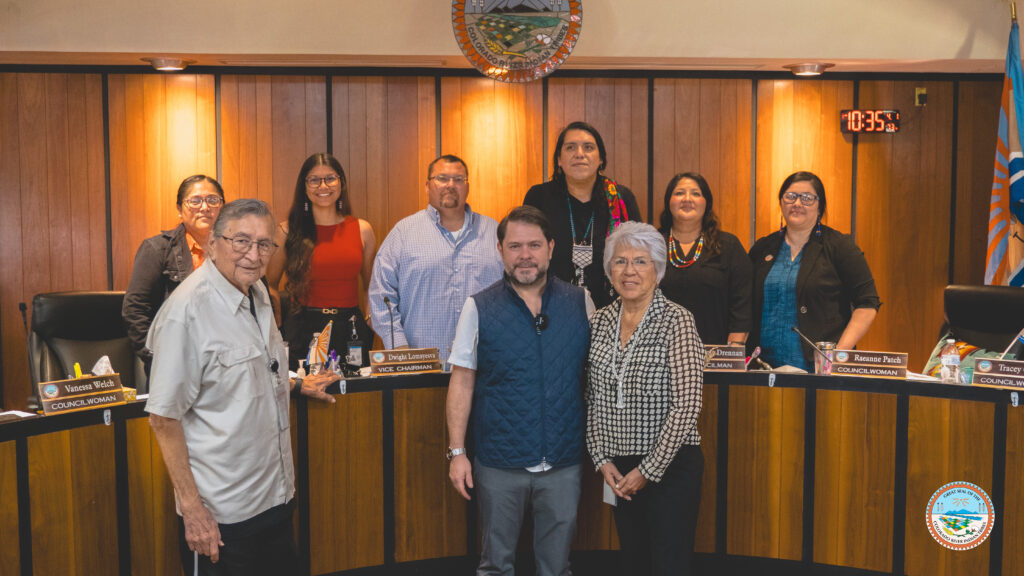
On April 1st, 2026, Senator Ruben Gallego visited the Colorado River Indian Reservation. Upon the visit, he came to the Tribal Council Chambers and met with Chairwoman Amelia Flores, Vice Chairman Dwight Lomayesva, Council Secretary Josephine Tahbo, Councilwoman Vanessa Welch, Councilman Billy Beeson, Councilman Tommy Drennan, Councilwoman Raeanne Patch, and Councilwoman Tracey Quillen. Chairwoman Amelia Flores and Councilman Drennan thanked him for coming to CRIT, and spoke on the pro-rata decisions that are being considered for the Colorado River in its recent publication of the Draft Environmental Impact Statement (DEIS). They expressed a deep concern for the decisions stating that pro-rata is in many ways unlawful, and goes directly against their seniority water rights.

Furthermore, Senator Gallego took a small tour with Chairwoman Flores, members of Council, and lead water attorney John Bezdek with Joshua Moore as their tour guide on the reservation. The last stop was at the Colorado River Sewage System Joint Venture where they met with Town of Parker Mayor Randy Hartless, Vice Mayor Zafer Genc, Town Manager Nora Yackley, Council member Joshua Grenwalt, and Operations Manager Ashley Longanecker. The tour of the facility was led by Longanecker who emphasized the importance of fixing the sewage system for Parker and the Reservation, which was clearly displayed in its decaying state in need of desperate repairs. (more…)

A new federal policy proposal is threatening to Colorado River tribal water rights, and tribal leaders are fighting back. The Colorado River Indian Tribes (CRIT) issued a forceful set of comments in response to the Bureau of Reclamation’s Draft Environmental Impact Statement (DEIS) outlining proposed alternatives for post-2026 operations for Lake Powell and Lake Mead.

In its current form, the DEIS includes an analysis of several alternatives for Colorado River operations that would distribute water shortages by cutting water to all users on a pro-rata basis. By doing this, it aims to treat all users the same, regardless of priority date. For CRIT, which holds senior rights in the Lower Colorado River, rights that date back to 1865, and are protected under the Supreme Court decree in Arizona v. California. Such an approach would undermine the very legal foundation that secures the Tribe’s access to water. Making matters worse, the draft also relies on assumptions tied to current consumptive use. This framework risks penalizing CRIT for the Bureau of Indian Affairs’ (BIA) failure to efficiently operate and properly maintain the Colorado River Indian Irrigation Project, which is the primary means for CRIT to use its water.

If this draft is finalized without any changes, and these policies are put into action, some of the alternatives proposed in the report would represent significant policy shift for Colorado River management. Current operating agreements that govern the river expire at the end of 2026, which is the reason for federal officials to develop new guidelines intended to manage rising demand. Currently, there is extreme pressure to find solutions due to worsening drought conditions, declining reservoir levels, and increasing uncertainty across the basin.

In its response, CRIT asserts that several proposed federal approaches conflict with long-established water law and threaten to undermine the Tribe’s senior water rights. CRIT’s comment letter warns that without significant revision, the draft could place federal actions in violation of existing U.S. Supreme Court decrees. In its letter, Tribal Council made very clear to the Secretary of the Interior and Reclamation officials that it will take any actions it deems necessary to protect CRIT’s rights, including litigation before the Supreme Court.

Why Pro-rata should never be considered:

Pro-rata was put into consideration under the previous presidential administration, and continues on in the current government. This was one of several potential alternatives to address the significant shortages in Arizona, which stands to lose at least 27% of its entire water allocation. Under the Department of the Interior’s (DOI) pro-rata concept, they would address water shortages by cutting deliveries evenly among users based on the percentage of water they currently use (or consume), rather than on each user’s legal priority.

Priority Matters: First in Time – First in Right

A water-user’s ‘priority’ is like a place in line, users at the front of the line are usually those who established their right to use water first. They get their water first, and in full, while lower-priority users, who established their water rights later in time, get their full share of water if there is still enough to go around. Only in times of extraordinary shortage, and after all lower-priority users are cut to zero, would ‘first-priority’ users have to take less than they are legally entitled to use. This is a long-established truth about Western U.S. water law: though it can lead to harsh outcomes, first in time = first in right… and all western water-users know this is how water law works.

But under a pro-rata approach, the Priority system would conveniently disappear, and all water users, regardless of when their rights were established, would share reductions during times of shortage. For CRIT, whose water rights are among the most senior in the Lower Basin, a pro-rata system represents a fundamental shift away from long-standing legal principles that have historically governed how Colorado River water is distributed.

Pro-rata has been vehemently opposed by CRIT leaders as a violation of the law and an attack on CRIT tribal sovereignty. On two separate occasions in the past 6 months, leaders from DOI and Reclamation have met with Council. On both of those occasions, Tribal Council has been forceful that pro-rata shortages are illegal.

Due to a hotter and drier climate, reservoirs at Lake Mead and Lake Powell have dropped to historically low elevations, and federal officials warn that existing management strategies have not been sufficient to stabilize the system. The DEIS proposes a range of operational alternatives designed to balance two competing priorities; 1) maintaining water deliveries to users across seven states, and 2) protecting reservoir storage in order to maintain infrastructure integrity.

Federal officials state that new guidelines are needed to provide predictability to water users while adapting to increasingly dry conditions expected in the future. The proposed framework would guide operations for up to 20 years, beginning in October 2026. CRIT argues that portions of the draft plan conflict with established federal law and the Supreme Court Decree governing the Colorado River.

Water Rights and Infrastructure Challenges

CRIT’s response also highlights longstanding infrastructure challenges affecting the Colorado River Indian Irrigation Project (CRIIP). Since its original construction, the irrigation system serving the Reservation has seen little modernization or meaningful improvement to meet 21st-century operational standards. As a result, aging canals leak significant amounts of water into the ground before it ever reaches a field or crops, and the canals operate so inefficiently that enormous amounts of water is allowed to spill off the end of the system, straight back into the Colorado River, without ever being turned out onto a field.

Addressing this problem is no simple undertaking. The irrigation system is federally owned and managed by the Bureau of Indian Affairs (BIA), an agency that has faced decades of declining funding and limited operational capacity. According to CRIT’s response, these systemic challenges have prevented the Tribe from fully utilizing water.

The passage of the Colorado River Indian Tribes Water Resiliency Act of 2022 further strengthens this effort by granting CRIT the authority to store, conserve, and lease its water. Historically, the water has been lost through deteriorating canals can instead be preserved for tribal agriculture, community development, and, if the Tribe chooses, leased to generate revenue that directly benefits CRIT and its members. The Tribe’s adoption of its Water Code  and recognition of the Colorado River’s Personhood Status under tribal law further reinforces this framework of sovereignty and stewardship. One of the main goals for CRIT in pursuing these efforts is to expand agricultural operations across the reservation. These efforts will create greater opportunities for Tribal members and ensure long-term prosperity for the community and more importantly, for future generations.

CRIT also forcefully argues that Reclamation must acknowledge the Personhood Status of the Colorado River under tribal law. The Tribe claims that the DEIS must analyze the impacts on the Colorado River from diverting water for use in central Arizona. The water is best left in-stream to benefit and protect its status as a living entity, which provides spiritual, cultural, and religious benefits to tribal members.

Taken together, these developments underscore why CRIT views the current federal proposal as a defining moment. This is why pro-rata should never be considered, because it undermines all the progress CRIT has made to ensure it can use its water rights entirely, and within the long-established, existing legal framework. The Tribe’s response makes clear that decisions affecting the Colorado River cannot move forward without full recognition of tribal rights and authority. CRIT has signaled that it is prepared to defend those rights, and if necessary, take this matter to the United States Supreme Court.

Read the document in its entirety – Comments from the Colorado River Indian Tribes on the Draft Environmental Impact Statement on Post-2026 Operational Guidelines for Lake Powell and Lake Mead. Follow the link below.
BOR_Comments CRIT Draft Environmental Impact Statement on Post 2026 Operational Guidelines and Strategies for La

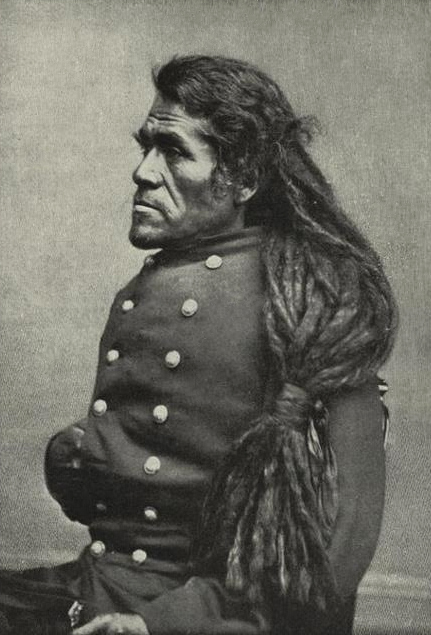
Chief Irataba stands among the most notable figures in Native American history. Some leaders are remembered for their war strategy and resistance, while others are known for diplomacy and negotiation. Rarely do those qualities come together in one leader. Chief Irataba was one of those rare individuals. Known by the Mohave people as fearless, and described by American settlers as peaceful and fair, Irataba helped shape the future of the Mohave people and the land that would later become the Colorado River Indian Reservation.

Irataba, whose Mohave name was Eecheyara Tav, meaning “bright bird,” was born around 1814 along the Colorado River. Historical accounts describe him as a striking and commanding figure. Standing approximately six feet four inches tall, with a heavy jaw and broad shoulders, he was widely recognized for his intelligence, bravery, and leadership. Despite his powerful physical presence, those who encountered him often described his demeanor as calm and gentle. Historian Arthur Woodward referenced early descriptions of the Mohave leader, writing that Irataba was “a man six feet four inches tall, of very powerful frame, but very gentle and kind in demeanor.”

During the early nineteenth century, Mohave communities thrived along the Colorado River. The river provided fertile floodplains for farming and served as an important route for travel and trade among tribes throughout the region. Irataba rose to prominence during this time and became a war leader of the Kwanami, a group whose name has been interpreted as meaning “fearless.” His leadership earned him a reputation as both a warrior and a respected decision-maker within the community.

Accounts from the period suggest that Irataba’s influence extended beyond his own village. One early description noted that he “seemed to have great influence over neighboring tribes and acted in disputed questions as a kind of supreme judge.” His ability to mediate disputes and maintain relationships among tribes helped establish him as one of the most respected leaders in the Colorado River region.

By the 1850s, the Colorado River began attracting increased attention from American explorers and the United States government as they searched for routes across the Southwest. One of the most notable expeditions during this time was led by Joseph Christmas Ives, who traveled along the river studying its geography and potential as a transportation route.

Historical accounts indicate that Irataba played an important role during these early encounters. Acting as a guide and intermediary, he helped facilitate communication between Mohave communities and American explorers traveling through the region. Newspaper reports from the time also recognized his authority. An article published in the Los Angeles Star in 1861 described Irataba as not only the chief of the Mohave people but someone who possessed more influence in the Colorado River country than any other chief in the district.

In 1864, Chief Irataba traveled to Washington, D.C., where he met with Abraham Lincoln and other federal officials. His visit brought national attention to the Mohave people and the challenges facing tribes along the Colorado River as settlers, miners, and military expeditions entered the region. On March 3, 1865, the Colorado River Indian Reservation was formally established by executive order issued by President Abraham Lincoln along the lower Colorado River. The reservation would eventually become home to the Mohave, Chemehuevi, Hopi, and Navajo peoples and remains the homeland of the Colorado River Indian Tribes today.

Chief Irataba continued to be a respected leader among the Mohave people throughout the later years of his life. He died in May of 1874 at his home along the Colorado River. Some historical accounts referred to him as “the Uncas of his tribe,” a comparison meant to recognize him as one of the last great leaders of the Mohave people during that era.

Today, many Mohave families continue to live in and around Parker, Arizona, within the Colorado River Indian Tribes community. The history of Chief Irataba is not only preserved in historical records but also through the families and descendants who remain connected to the land along the Colorado River. Generations of Mohave people have continued to live, work, and raise their families in the same region their ancestors once called home.

More than a historical figure, Chief Irataba’s legacy lives on through the people of the Colorado River Indian Tribes. His leadership during a time of great change helped shape the future of the Mohave people, and his story continues to be remembered as a symbol of strength, diplomacy, and resilience for generations to come.

Article written by CRIT Media Reporter Ariana Romero