
October 28, 2026 12:56 pm
CRIT Nation, Parker, AZ
October 28, 2026 12:56 pm
CRIT Nation, Parker, AZ

The Ten Tribes Partnership (TTP) is seeking a lead contractor. This contractor position is supported by the Colorado River Sustainability Campaign, a fiscally sponsored project of the New Venture Fund.

TTP Background

The TTP was formed in 1992 and is a coalition of ten federally recognized Upper and Lower Basin Tribes that hold water rights in the Colorado River Basin. The member Tribes are: Chemehuevi Indian Tribe, Cocopah Indian Tribe, Colorado River Indian Tribes, Fort Mojave Indian Tribe, Jicarilla Apache Nation, Navajo Nation, Quechan Indian Tribe, Southern Ute Indian Tribe, Ute Indian Tribe, and Ute Mountain Ute Tribe.

The goal of the TTP is to increase the influence of Tribes in Colorado River management and provide support for the protection and use of Tribal water resources. The Colorado River Basin is suffering from extended drought, and the impact of climate change is palpable. TTP is committed to developing a new management framework that uplifts tribal priorities ahead of the 2026 expiration of the 2007 Interim Guidelines. TTP has determined this to be a critical time to hire a Lead Contractor to coordinate its efforts.

(more…)


ATTENTION CRIT TRIBAL MEMBERS
Tribal Board/Committee/Commission Vacancies

Applications may be picked up at the Tribal Executive Offices or online at www.critmanatabamessenger.com for the following:

IRRIGATION COMMITTEE
1—Term VACANT Chairman
3—Term VACANT Member

EDUCATION BOARD
1 – Term Expiring 12/31/2025

LIQUOR CONTROL BOARD
1 – Term Alternate Expiring 12/31/2026

ENVIRONMENTAL AGRICULTURAL COMMITTEE
1 – Term Expiring 12/31/2026

ETHICS REVIEW BOARD
2 – Full Term Expiring 12/31/2025
3 -Full Terms-Expiring 12/31/2026

CHILDREN’S RESIDENTIAL CENTER ADVISORY BOARD
1—Term Medical Professional
1—Term VACANT Nurse
1—Term VACANT Parent
1—Term VACANT Behavioral Professional
1—Term VACANT Grandparent

ADHOC CEMETERY ADVISORY COMMITTEE
1– Undetermined Term VACANT

PARKS AND RECREATION COMMITTEE
2 – Two Year Terms Expiring 12/31/2026
2 – Two Year Terms Expiring 12/31/2027
1 – Two Year Alternate Term Expiring 12/31/2026

Deadline: Until Filled

COLORADO RIVER INDIAN TRIBES
26600 Mohave Road, Parker, Arizona 85344 Telephone (928)669-1280
Email applications to b.c@crit-nsn.gov or drop off at the Executive Offices.

Follow the link to download an application

2025BOARDAPPLICATIONS_09042025 (002)

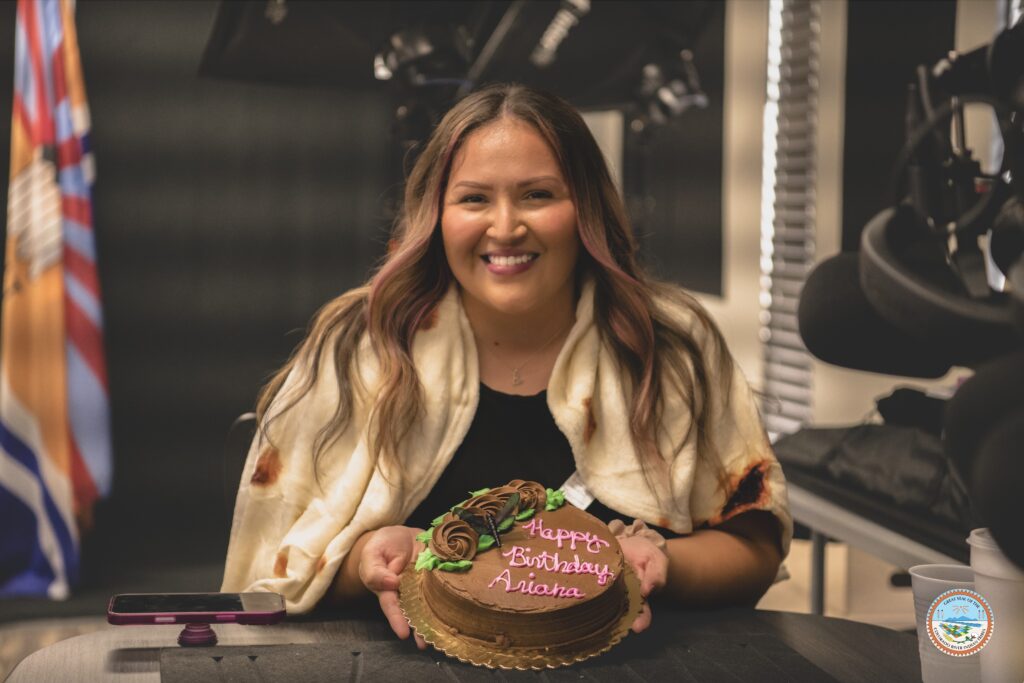
Happy Birthday to our very own Ariana Romero! She has been flourishing in the Media Department of CRIT going to all the fun events in the community, writing articles, and becoming quite the photographer! Ariana has been a great proactive reporter providing insightful ideas on what the next story should be and how we can best showcase the wonderful CRIT Community. We are lucky to have her on our team and we wish her a wonderful birthday.

According to Arizona Water News, Arizona and its Lower Basin partners say they remain committed to finding common ground on new Colorado River operating rules despite stalled negotiations among the seven basin states. Officials emphasized continued collaboration with federal agencies and neighboring states to stabilize water supplies beyond 2026 as drought conditions persist. The effort reflects ongoing attempts to balance conservation, water demand, and long-term river sustainability. For CRIT, these negotiations remain important because federal and interstate agreements directly influence how tribal water rights are recognized and protected in future Colorado River management decisions.

Source: Arizona Water News — https://www.azwater.gov/news/articles/2026-02-19

According to the Navajo Times, federal officials are moving forward with developing new Colorado River operating guidelines even as state negotiations remain stalled. The Department of the Interior is continuing its environmental review process to prepare for post-2026 river management, highlighting the federal government’s role when states cannot reach consensus. Tribal consultation remains part of that process. For CRIT, federal involvement is significant because Colorado River policies shaped at the federal level directly affect tribal water rights, long-term planning, and regional water security.

Source: Navajo Times — https://navajotimes.com/reznews/federal-officials-move-forward-on-colorado-river-operating-rules-as-state-negotiations-stall/

According to ABC 15 Arizona, tribal nations along the Colorado River are among those with the most at stake as negotiations over future water allocations continue. Tribal leaders emphasize the importance of protecting established water rights while ensuring sustainable solutions to ongoing drought conditions. The article highlights how tribal participation is increasingly central in discussions about the river’s future. For CRIT, these conversations are especially important because tribal sovereignty and water rights remain critical factors in how Colorado River resources are managed across the basin. (more…)

According to CBS 5 Arizona’s Family, Arizona could face deeper Colorado River water cuts following missed negotiation deadlines, raising concerns about future water supply stability across the state. Officials say ongoing drought and reduced reservoir levels continue to challenge long-term planning efforts. These developments may lead to increased federal involvement in river management decisions. For CRIT, potential cutbacks are important because federal allocation decisions directly influence how tribal water rights are maintained and protected.

Source: CBS 5 Arizona’s Family — https://www.azfamily.com/2026/02/17/arizona-faces-major-colorado-river-water-cuts-deadline-passes/

According to the Colorado Sun, new forecasts suggest Lake Powell could reach critically low levels that threaten hydropower production and water deliveries if drought conditions persist. Reservoir storage plays a central role in determining how water is distributed across the Colorado River Basin. Experts say ongoing climate pressures and declining inflows continue to complicate long-term planning. For CRIT, reservoir conditions remain important because federal operational decisions tied to storage levels directly affect how tribal water allocations are managed and protected.

Source: Colorado Sun — https://coloradosun.com/2026/02/18/lake-powell-forecast-critical-lows-federal-study/

According to AZPM News, Colorado River basin states missed another federal deadline to reach agreement on future water reductions, increasing the likelihood of additional cutbacks across the Southwest. Officials warn that continued drought and declining reservoir levels could force tougher decisions about water allocation in the coming years. The missed deadline highlights growing uncertainty about long-term river management. For CRIT, potential water reductions and federal policy decisions directly influence how tribal water rights are protected and incorporated into basin planning.

Source: AZPM News — https://news.azpm.org/s/102728-arizona-and-western-states-miss-colorado-river-water-deadline-as-cuts-loom/

According to Newsweek, Lake Powell water levels could drop to critical levels sooner than expected, raising concerns about hydropower production and water deliveries across the Colorado River Basin. Experts say continued drought, reduced snowpack, and high demand are contributing to declining reservoir storage. These conditions add urgency to ongoing negotiations about future river operations. For CRIT, reservoir levels are important because federal decisions tied to storage conditions directly affect how tribal water allocations are managed and sustained.

Source: Newsweek — https://www.newsweek.com/lake-powell-water-could-drop-to-critical-levels-sooner-than-expected-11531274

According to Pinal Central, the Gila River Indian Community expressed concern over the lack of agreement among Colorado River basin states, noting the importance of tribal voices in ongoing water negotiations. Tribal leaders emphasized the need for sustainable solutions that recognize existing water rights while addressing long-term drought conditions. The statement highlights growing awareness of tribal participation in basin discussions. For CRIT, tribal engagement in Colorado River negotiations is significant because it reinforces the importance of protecting tribal sovereignty and water rights across the region.

Source: Pinal Central — https://www.pinalcentral.com/sacaton_central/gric-laments-lack-of-deal-over-colorado-river-water/article_cb91f461-07de-4f88-8d70-c3dec3b96c67.html

A recent statement from Colorado River Commissioner JB Hamby says California and other Lower Basin states have been working with federal officials and neighboring states to develop new long-term operating rules for the Colorado River after 2026. He noted that the original 1922 Colorado River Compact was based on water supply estimates that no longer match today’s reality, as river flows have declined over the past 25 years while demand continues to grow. 

According to the statement, California, Arizona, and Nevada committed to major conservation efforts in recent years and have already exceeded planned water savings meant to stabilize Lake Mead and Lake Powell. However, disagreements remain between Upper Basin and Lower Basin states about how future reductions should be shared, and negotiators have not yet reached a final agreement. 

For CRIT, these ongoing negotiations are important because federal Colorado River policies, interstate agreements, and conservation requirements directly influence how tribal water rights are protected, managed, and incorporated into long-term river planning that affects the entire region.

Source: https://crb.ca.gov/2026/02/statement-from-jb-hamby-colorado-river-commissioner-for-california/


February 14, 2026

According to the U.S. Department of the Interior, federal officials are moving forward with new operating guidelines for the Colorado River even though the seven basin states have not yet reached full agreement. The updated rules, expected by October 2026, are meant to provide stability for water deliveries, power generation, and long-term management as drought conditions and declining inflows continue to strain the river system. Interior Secretary Doug Burgum said discussions with states, Tribal Nations, and Mexico are ongoing, but federal action is needed to ensure future reliability of the river.

The Colorado River supplies water to about 40 million people, supports millions of acres of farmland, generates hydropower, and serves 30 Tribal Nations, making it one of the most important water sources in the West. Federal officials are currently accepting public comments on the draft environmental review that will guide future reservoir operations.

For CRIT, these federal guidelines are important because Colorado River management decisions directly affect how tribal water rights are protected, how water is allocated in the Lower Basin, and how long-term planning supports the Tribe’s water security, economy, and future generations.

Source: U.S. Department of the Interior / Bureau of Reclamation press release

According to Arizona Mirror, Colorado River negotiations hit a setback as Lower Basin states, including Arizona, criticized Upper Basin states for resisting deeper water conservation commitments. Officials say ongoing drought conditions and declining reservoir levels are increasing pressure to finalize new operating rules before current guidelines expire. The disagreement highlights continuing tension over how water reductions should be shared across the basin. For CRIT, these negotiations are important because interstate agreements and federal management decisions directly influence how tribal water rights are protected and incorporated into long-term river planning.

Source: Arizona Mirror — https://azmirror.com/2026/02/13/arizona-blasts-upper-basin-states-for-refusing-cuts-as-colorado-river-talks-fail/

According to the Arizona Department of Water Resources, state officials say they will continue protecting Arizona’s Colorado River resources even after basin states failed to reach a consensus ahead of the federal deadline. Leaders emphasized ongoing drought challenges and the need for continued negotiations to maintain stability for water users across the region. State agencies say collaboration with federal partners and neighboring states remains essential moving forward. For CRIT, continued state and federal coordination is significant because long-term Colorado River policies directly affect how tribal water rights are recognized and sustained.

Source: ADWR Statement — https://azwaternews.com/2026/02/13/021326_statement/

According to USA Today, Colorado River negotiations approached a critical deadline without a final agreement, reflecting ongoing disputes over how to manage shrinking water supplies across the Southwest. Experts say declining snowpack, persistent drought, and competing demands are making consensus more difficult as states prepare for new post-2026 operating guidelines. Federal involvement may increase if states cannot reach agreement. For CRIT, these developments matter because federal river management decisions play a key role in protecting tribal water rights and ensuring long-term water security.

Source: USA Today — https://www.usatoday.com/story/news/nation/2026/02/13/colorado-river-deal-deadline/88658491007/

Nineteen years ago, Mega Throw began, and despite temperatures reaching over 105 degrees, Mega Throw XIX returned to Ahakhav Tribal Preserve on the Colorado River Indian Tribes reservation. Hosted by Ase S’maav, the Mohave Bird Singers, the two-day gathering welcomed tribes from near and far, with songs and tradition carrying on through the heat.
Mega Throw XIX continues a tradition that began in 2004 with a small group wanting to learn and sing. What started as a grassroots effort has grown into an ongoing commitment to keeping songs, language, and teachings active. Throughout the weekend, the preserve filled with the sound of bird songs and the movement of dancers as participants and spectators came together, carrying that purpose forward through their presence and participation.
Despite the intense heat, participants remained committed, continuing to sing and dance throughout the weekend. The dedication shown reflected the importance of the gathering, as the circle remained strong and songs carried on without pause.
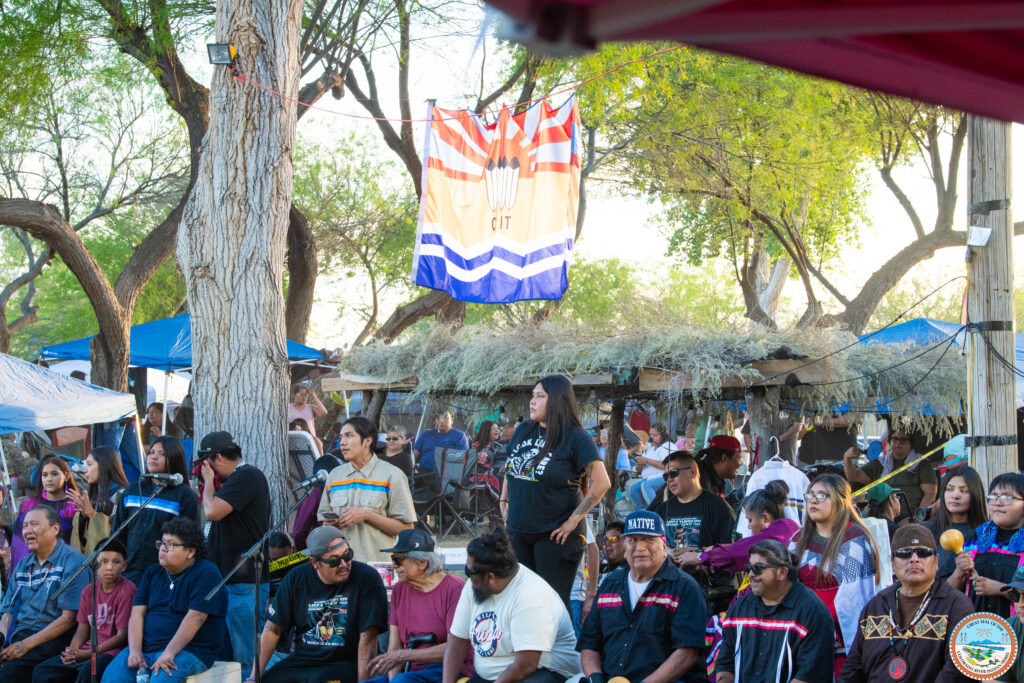
From the youngest participants to experienced singers, the event highlighted the role of youth in learning through participation. Tiny tots and youth dancers stepped into the circle, some shy and others confident, following the rhythm of the gourd and songs as they learned in real time. Families gathered under shaded canopies, watching, encouraging, and sharing in the experience together.

Singing groups stood shoulder to shoulder, their voices blending as they carried songs that have been maintained over generations. Each performance reflected not only skill, but a responsibility to uphold what has been taught and continue it with care and respect.
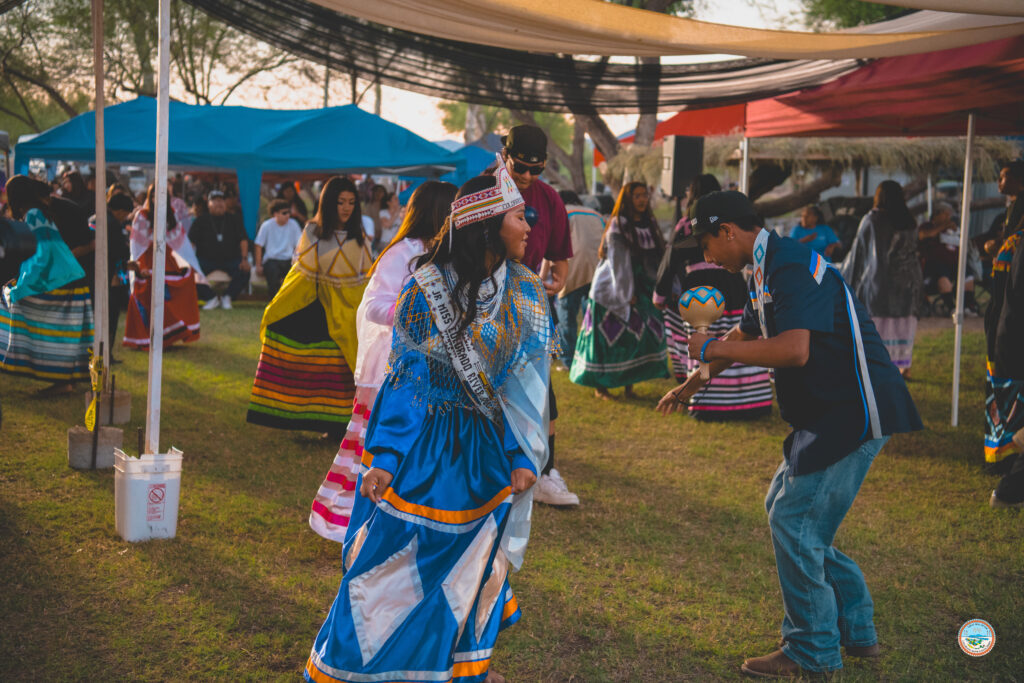
The event also created space for connection beyond the dance area. Mega throwers gathered for a potluck, shared meals under the gazebo, and spent time visiting with one another throughout the day. Vendors were also set up throughout the area, offering handmade items that showcased their artistry and craftsmanship. Food vendors provided a variety of options, including frybread, tacos, and burgers, along with sweet treats like snow cones, deep-fried Oreos, and funnel cakes—making sure there was something for everyone to enjoy.
As the songs carried into the evening and families remained gathered under the cottonwood trees, the weekend reflected a continued commitment to honoring tradition and ensuring it carries forward for future generations. Mega Throw XIX was a success, and a strong showing of the work and dedication of those who organized and supported the event.
Until we gather again in song and tradition for Mega Throw XX.

Article & Photos by CRIT Media Reporter Ariana Romero

The Colorado River Indian Tribes Building and Safety Department is welcoming new director Alfred Mauer, whose background in inspections, compliance, and facility operations brings both technical expertise and a strong local connection to the role.

Mauer’s career began at just 18 years old working as a gold miner in northern Nevada. That early hands-on experience eventually led him into compliance, inspections, and administrative work. From underground mining operations, he later worked with Praxair at an air separation plant operating under strict federal regulations, including Homeland Security oversight. That experience helped shape his commitment to precision, safety, and doing things the right way.

Over the past five years, he has worked as a licensed building inspector while also operating his own inspection business. Managing everything from office communication and consulting to on-site inspections provided experience not only in technical building standards but also in customer service, project coordination, and helping facilities operate safely and efficiently.

Mauer also has a personal connection to the area. He attended elementary school in Parker before moving to northern Nevada and has now returned to serve the community. He says coming back to work with CRIT brings a strong sense of purpose and connection.

Now stepping into his new role, Mauer’s focus is clear: supporting safe, quality construction while helping tribal departments, businesses, and community members navigate the permitting and inspection process smoothly. The Building and Safety Department plays an important role in protecting the community by ensuring structures are built safely and responsibly, with an emphasis on prevention, communication, and long-term safety.

He emphasizes that the department is there to help guide people through the process, whether it involves new construction, renovations, or facility improvements. Clear communication and accessibility are key priorities as he settles into the position, helping ensure questions are answered early and projects move forward safely.

Having grown up around the community, Mauer says one of the things that stands out most about working at CRIT is the strong sense of family, pride, and connection among tribal members and employees. That sense of community motivates his commitment to safety and responsible development. Having witnessed preventable accidents in his career, he says his goal is always to promote safe structures that protect people first.

(more…)

CRIT Auto Welcomes a Familiar Leader

After 47 years of dedicated service, Winstill Humeumptewa Sr. has stepped into the role of Fleet Manager of CRIT Auto, bringing with him decades of experience, leadership, and deep pride in the work he does for the Colorado River Indian Tribes.

Winstill began working at CRIT Auto in 1979. Born and raised in the community, he returned home after completing his automotive education to put his skills to work serving his people. Over the years, he has worked his way through nearly every role in the department, gaining hands-on experience as a mechanic, supervisor, service manager, and most recently as Acting Auto Shop Fleet Manager.

His decision to apply for the manager position came after the retirement of former manager Fernando “Bo” Flores. Winstill credits Bo’s leadership, mentorship, and strong work ethic as a major influence and source of inspiration throughout his career. Having worked side by side with him for many years, Winstill felt prepared to take on the responsibility and continue moving the department forward.
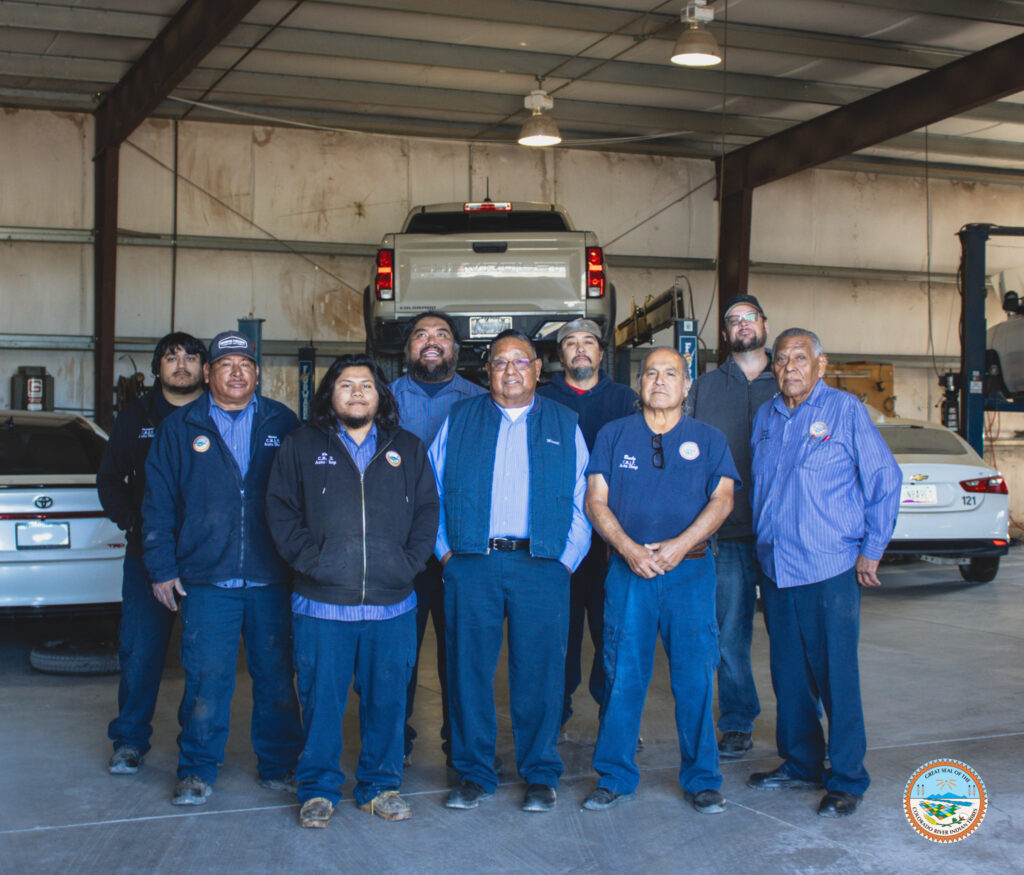
Winstill oversees a fleet of more than 300 tribal vehicles serving multiple departments. His goals include rebuilding and strengthening his crew, improving shop organization, and modernizing operations. One of his immediate priorities is cleaning up the shop area and removing unused gas pumps and tanks that are no longer in service.

Supporting his staff is central to Winstill’s vision. He plans to keep his team up to date through trainings, educational videos, and courses, emphasizing that knowledge and skill development are key to quality service. He describes his leadership style as firm, noting that quality work is non-negotiable. Every vehicle, he says, should be safe, reliable, and properly tested before returning to service.

While CRIT Auto primarily services tribal vehicles, Winstill hopes to eventually reopen the shop to the community once staffing is full. He wants the community to know that even when repairs take time, the work is being done with care and commitment.

Winstill says he is proud of his crew, whom he considers family, and proud of the work they accomplish together every day. After nearly five decades at CRIT Auto, his dedication remains strong, driven by a desire to provide dependable service to the Tribes and give back to the community he calls home.

Congratulations to Winstill Humeumptewa Sr. on this new chapter as the Fleet Manager for CRIT Auto.

Article and Photos by CRIT Media Reporter Ariana Romero