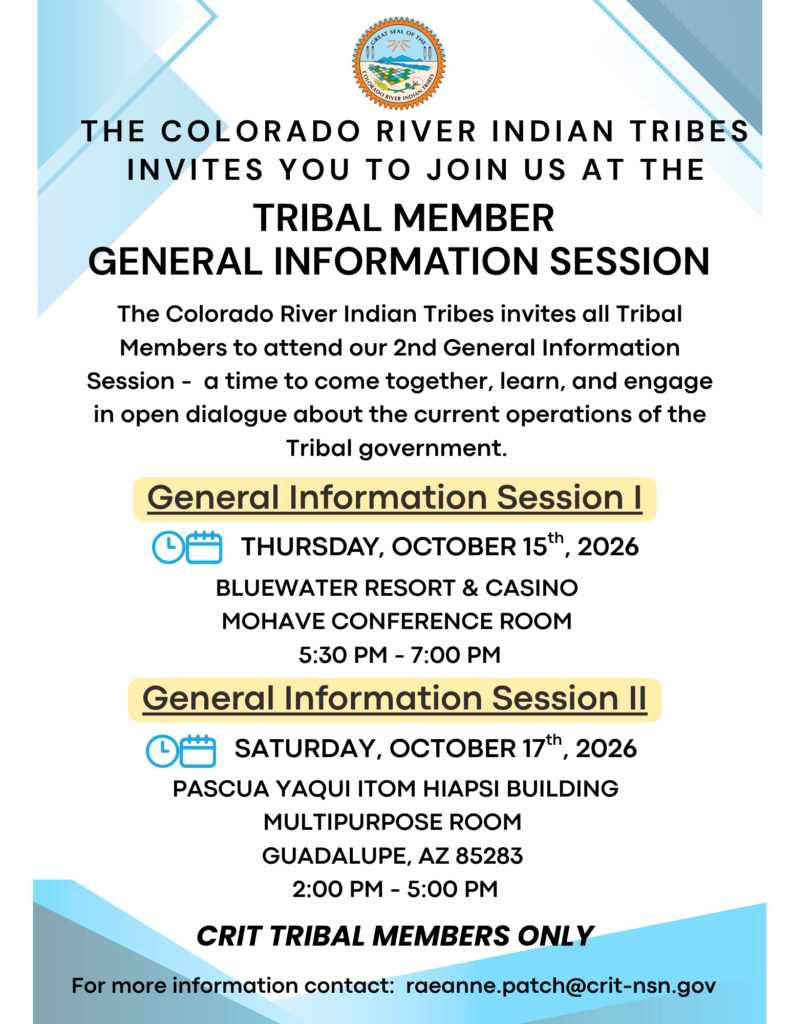
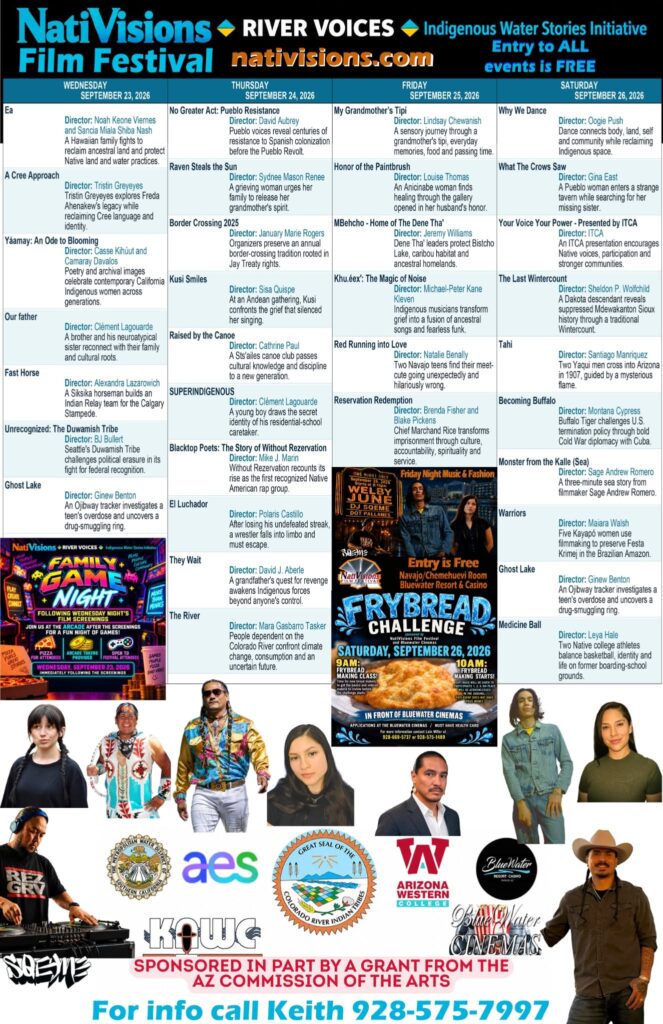
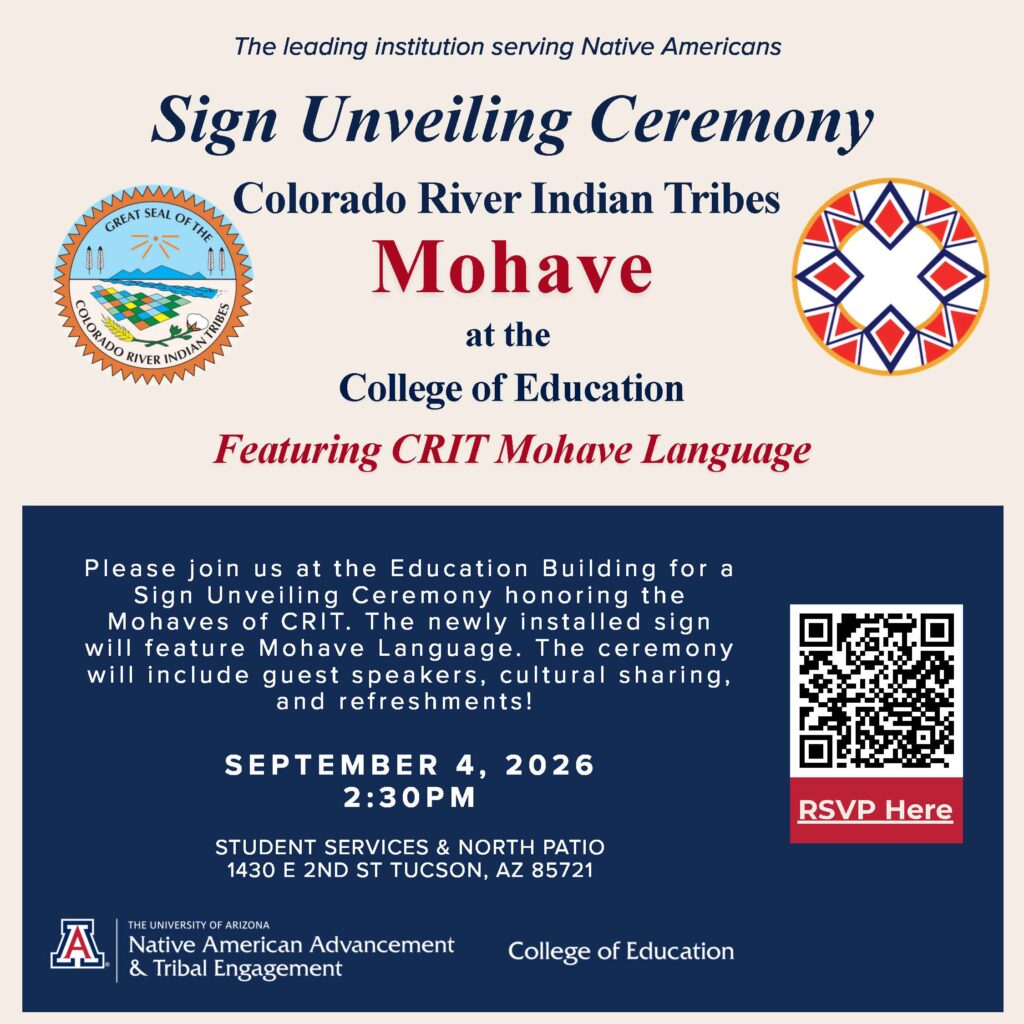
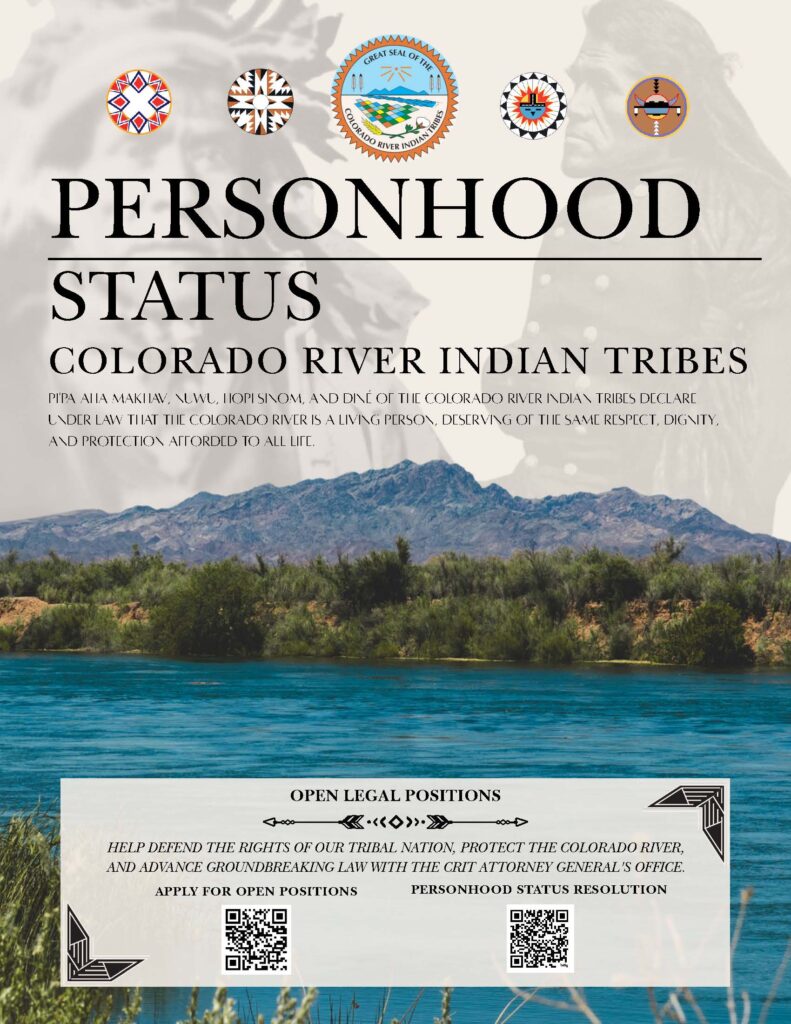
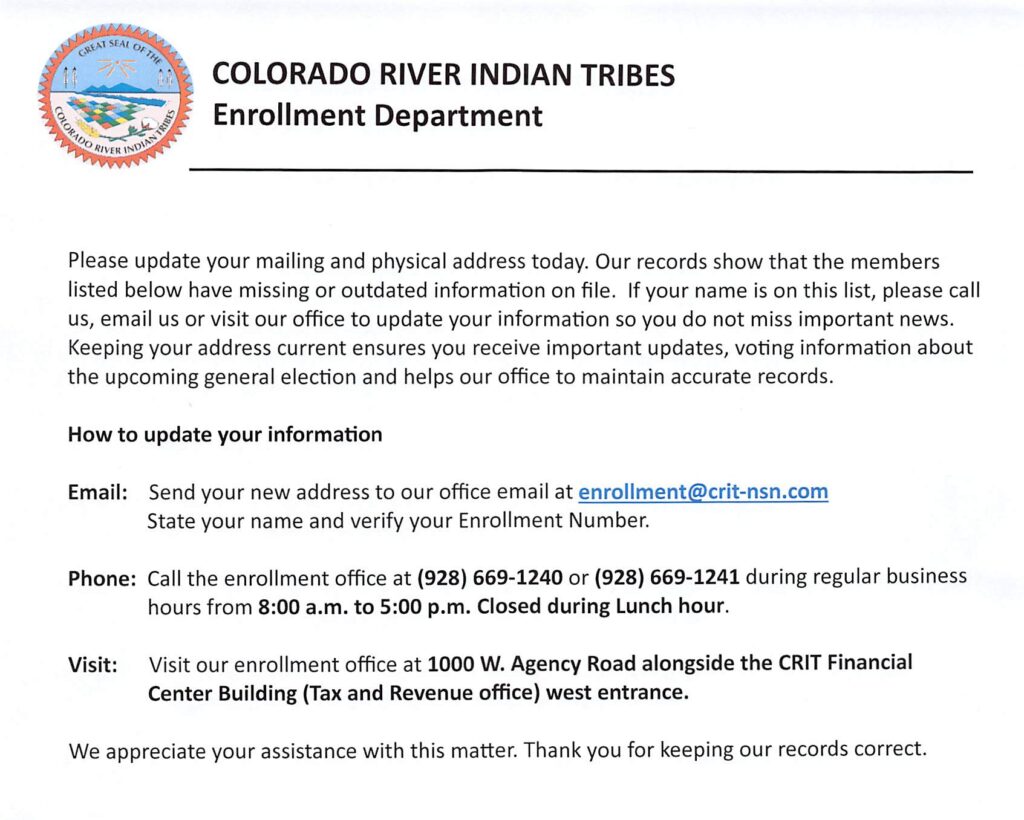
Click this link to access the survey or click the notice.



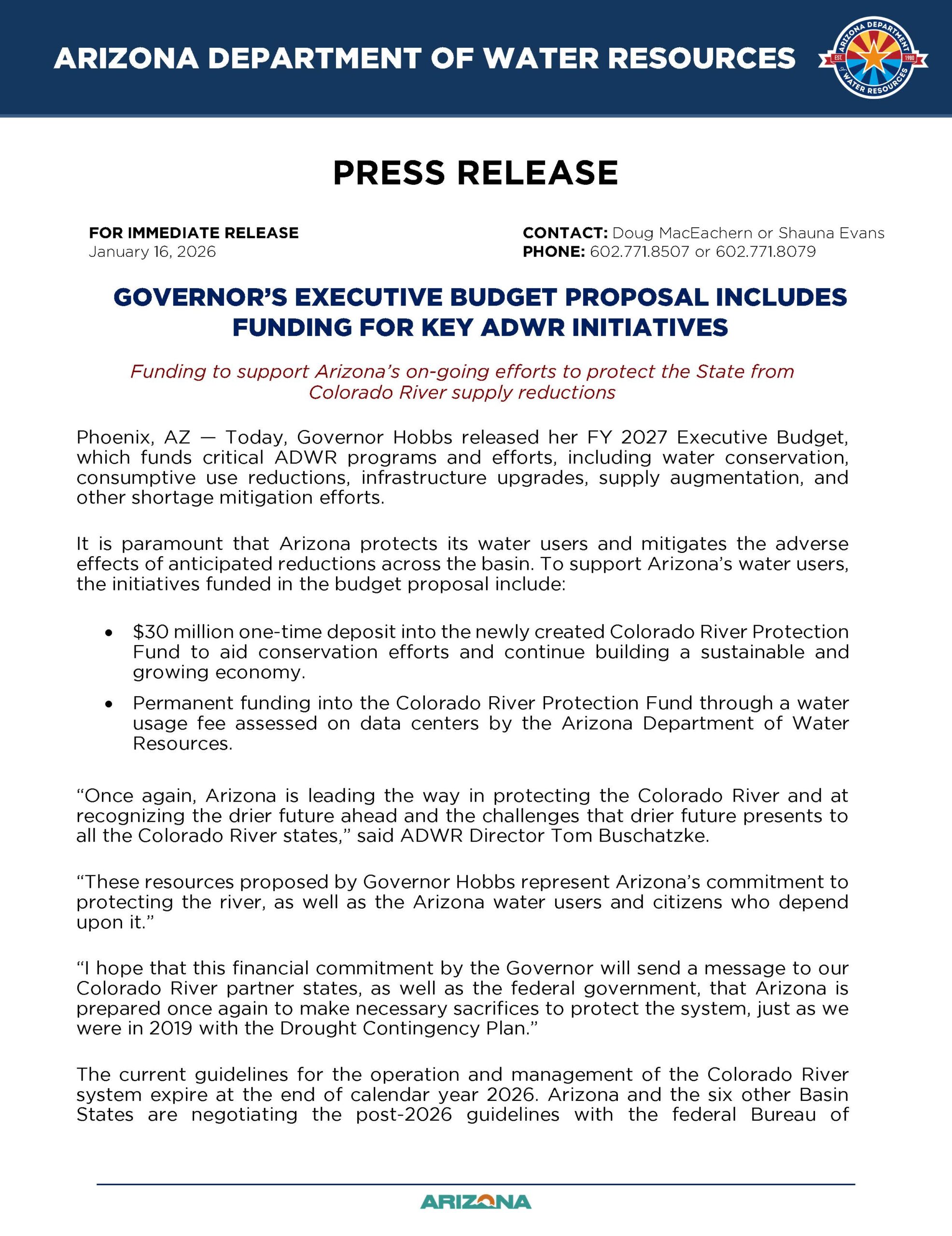
Arizona Budget Proposal Includes Major Funding for Colorado River Protection
On January 16, 2026, the Arizona Department of Water Resources (ADWR) shared details of Governor Katie Hobbs’ FY 2027 Executive Budget Proposal focused on preparing for long-term challenges facing the Colorado River. The plan includes new and expanded funding aimed at strengthening water security across Arizona in the face of ongoing Colorado River shortages.
Key points from the budget related to water:
Source:
Arizona Water News https://azwaternews.com/2026/01/16/fy2027_execbudgetproposal/
CRIT celebrated its history and the meaning behind its flag. A Flag Day ceremony was held January 6th at The CRIT Library.
CRIT’s flag was first designed and brought to life by Margie McCabe and raised for the first time on January 4, 1979. The elements of the flag all have special meaning.
The flag remains a symbol for tribal pride and unity and serves as a reminder of the political, economic, and social development and progress CRIT continues to make.

The newly elected and re-elected members of the CRIT Tribal Council have been installed.
An installation ceremony took place January 2nd at the Bluewater Resort and Casino Showroom.
Re-elected Tribal Council Chairwoman Amelia Flores thanked everyone who supported her, “Thank you to all my supporters, friends, family and thank you to the Tribal Community for your unwavering support”
Councilman Bobby Page delivered the opening prayer before Chairwoman Flores introduced special guests in attendance including Ronald Flores, Councilman for the Pascua Yaqui Tribal Council; Jordan Joaquin, President of the Quechan Tribe;
Jonathan Koteen, Quechan Councilmember; Donald Medart Jr.; Quechan Councilmember;
Jason N Chavez, Director of Tribal Affairs for Governor Hobbs; Cissimarie Juan, Project Coordinator for Governor Hobbs; and Dezbah Hatathli, Native Nation Ambassador for infrastructure development at the Arizona Department of Transportation.
Exiting Tribal Councilmembers Johnson JD Fisher, Bobby Page, and Jaymee Moore provided words of encouragement as they thanked everyone for their unwavering support throughout the time they served on Tribal Council.

The Department of Health and Social Services along with the CRIT Senior Center recently held a holiday drive through light show for CRIT elders and the community. The event showed off lights and decorations in the area and included treat bags and gifts for the elders and family members.
Tribal Councilwoman Vanessa Welch and CRIT Royalty helped hand out backpacks. Councilwoman Anisa Patch handed out blankets and cookies to the elders who participated in the drive through event. Councilwoman Jaymee Moore also assisted.
Program director Jimi Mae Jackson would like to thank everyone who came out to help including CRIT Royalty, CRIT Wildland and crew, CRIT Senior Center Staff, Councilwoman Welch, Councilwoman Moore, Councilwoman Patch, Chairwoman Amelia Flores, The Parker Boys Youth Bird Singing Group, River Tribes United Dance Group, CRIT Media, Debbie Pettigrew, Bluewater Cinemas, Nazarene Church for their Christmas carolers, CRIT PD , CRIT Fish and Game , and the many parents and community members who made the event possible.


The Colorado River Indian Tribes mourns the passing of former President Jimmy Carter who made significant contributions to the sovereignty of indigenous peoples during his presidency. Mr. Carter signed the American Indian Religious Freedom Act and Indian Child Welfare Act. He also created 39 national parks providing federal protection for millions of acres of land.
As a humanitarian, he understood the need to protect and preserve indigenous cultures and sovereignty. As a farmer, Mr. Carter understood the need to protect and preserve our environment. As a leader he had the courage to pursue both goals.