October 27, 2026 3:48 pm
CRIT Nation, Parker, AZ
October 27, 2026 3:48 pm
CRIT Nation, Parker, AZ

CDO HIGHER EDUCATION PROGRAM
2026-2027 HE Application

CDO ADULT VOCATIONAL TRAINING PROGRAM
2026-2027 AVT Application

CDO Youth Services (YS) PROGRAM
CDO YOUTH SERVICES APPLICATION

Computer Assistance Program
COMPUTER PROGRAM APPLICATION

The Colorado River Indian Tribes is seeking applicants to fill a number of Tribal Board, Committee, and Commission vacancies. Applications are open until filled. Applications may be picked up at the Tribal Executive Offices or you can download the PDF’s here.

May 1st CommitteeBoard Member Application

Tribal Boards & Committees

Completed applications may be emailed to b.c@crit-nsn.go or dropped off at the Executive Offices.
Applicants must be CRIT Tribal Members, at least 21 years old, reside on or within the exterior boundaries of the reservation, and meet all board eligibility requirements.
Additional paperwork may be required depending on the board or committee.

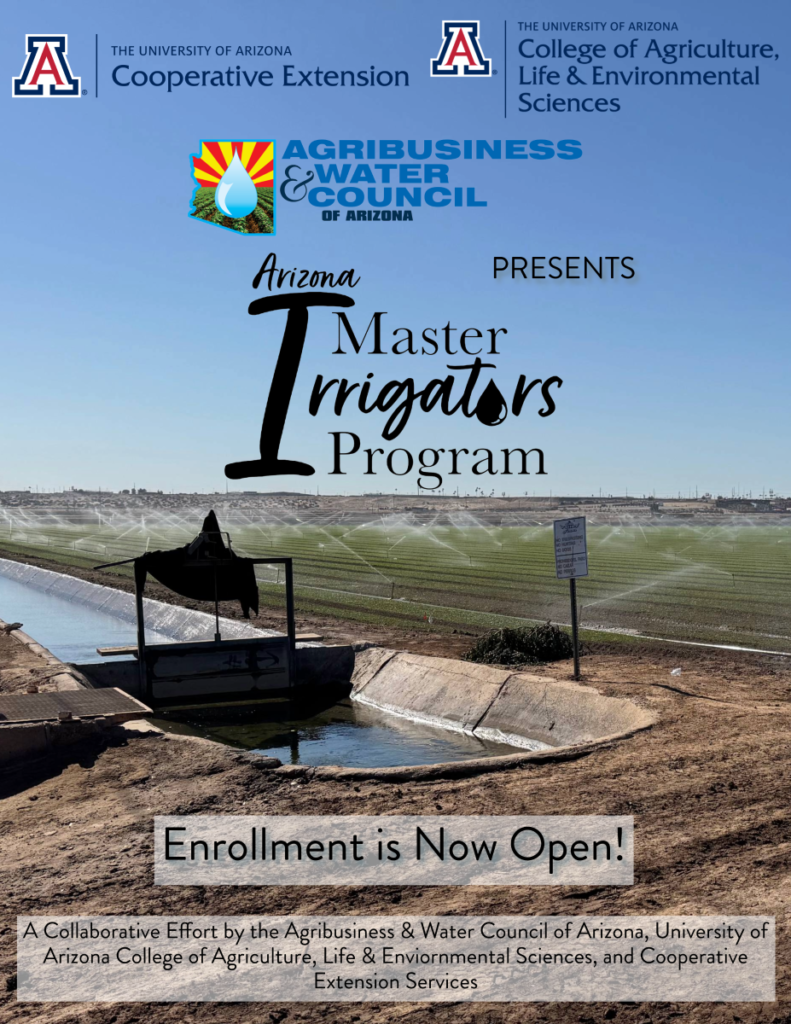
Enrollment is now open for the Arizona Master Irrigators Program, a collaborative effort by the Agribusiness & Water Council of Arizona, University of Arizona College of Agriculture, Life & Environmental Sciences, and Cooperative Extension Services. This program covers a wide range of irrigation and agriculture-focused topics, including soil, water and plant relationships, calculations, canal and ditch water distribution, irrigation practices, pumps and flow systems, fertility, food safety, field management, and safety leadership. 💧🌱

Courses will be offered in both English and Spanish, with translation technology available for students to take home. Those interested in participating should submit their affiliation, contact information, and completed application.

For more information, visit www.agribusinessarizona.org or contact the Agribusiness & Water Council of Arizona at (480) 558-5301 or Stephanie@agribusinessarizona.org

 

According to ASU News, recent snow surveys conducted by Arizona State University and the Salt River Project show that much of Arizona’s headwater snowpack has melted within just a few weeks. Warmer temperatures caused snow to melt earlier than expected, reducing the amount of water that can slowly feed rivers over time.

This rapid melt limits how much water reaches streams and reservoirs later in the season, making water supplies less reliable. Snowpack typically acts as a natural storage system, and when it disappears too quickly, more water is lost to evaporation or runoff that cannot be captured.

For CRIT, reduced and fast-melting snowpack directly impacts the Colorado River system, affecting how much water ultimately flows downstream and influencing long-term water availability.

According to Fox 10 Phoenix, Arizona is considering a potential agreement to purchase water from California as Colorado River tensions continue. State officials are exploring alternative ways to secure water supplies as negotiations over river allocations remain uncertain.

The idea reflects growing pressure on Arizona to find additional water sources as shortages become more likely. Any agreement would depend on legal, financial, and logistical factors, but it highlights how states are looking beyond traditional allocations.

For CRIT, interstate water deals could influence how Colorado River water is shared and managed, making it important to monitor how these agreements may affect overall allocation and Tribal water interests.

According to Courthouse News Service, a large agricultural company is seeking to pause a public nuisance lawsuit related to groundwater use in Arizona. The case centers on concerns that excessive groundwater pumping may be harming nearby communities and water supplies.

The lawsuit reflects ongoing tensions over groundwater regulation in Arizona, particularly in areas without strong oversight. Water use by large-scale agriculture continues to be a major issue as demand increases and supplies become more limited.

For CRIT, groundwater disputes are closely tied to the broader conversation about water management and protection, especially as pressure on Colorado River supplies pushes greater reliance on groundwater sources.

According to the Salt Lake Tribune, Lake Powell is heading toward potentially record-low levels as Colorado River states remain deadlocked in negotiations. Experts warn that declining inflows and ongoing drought conditions are pushing the reservoir closer to critical thresholds.

Low water levels at Lake Powell can impact hydropower generation and reduce the system’s ability to manage water deliveries across the basin. The lack of agreement between states is increasing uncertainty about how the situation will be addressed.

For CRIT, Lake Powell is a key part of the Colorado River system, and declining levels can affect how water is released downstream, influencing water availability and management decisions that impact Tribal communities.

According to CBS News, Denver Water has implemented mandatory restrictions limiting outdoor watering to just two days per week due to ongoing drought conditions. Officials say the restrictions are necessary to conserve water as supplies remain below normal.

Water providers across the West are taking similar steps as drought and low snowpack continue to strain resources. Conservation measures are becoming more common as utilities try to manage limited supplies.

For CRIT, increasing restrictions across the basin show how widespread water shortages have become, reinforcing the importance of careful management and protection of Colorado River water resources.

Sources

CBS News: https://www.cbsnews.com/colorado/news/denver-water-imposes-mandatory-water-restrictions-only-2-days-per-week/

Ariana Romero
CRIT Media  Reporter

According to the Arizona Capitol Times, cracks are beginning to show in Arizona’s previously unified position on Colorado River negotiations. Disagreements are emerging between state leaders and local communities over how water should be managed and protected as shortages worsen.

Some regions, particularly rural areas, are pushing back against policies they believe prioritize urban growth over local water security. These divisions highlight the increasing pressure Arizona faces as it works to defend its share of Colorado River water.

For CRIT, internal disagreements within Arizona matter because they can influence how the state approaches negotiations and allocation decisions, which ultimately affect Tribal water rights and the broader river system.

According to the Office of the Arizona Governor, Governor Katie Hobbs is expanding Arizona’s efforts to protect its Colorado River water by engaging national business leaders. The goal is to build broader support and strengthen Arizona’s position in ongoing negotiations over future river operations.

State officials are working to highlight the economic importance of Colorado River water and the potential impacts of shortages on industries and communities. This approach reflects how water issues are increasingly tied to economic and political strategy.

For CRIT, these efforts show how states are mobilizing additional influence in negotiations, which can shape how water is allocated and how Tribal interests are considered in future agreements.

According to the Las Vegas Review-Journal, a recent heat wave is accelerating snowmelt across the Colorado River Basin, raising concerns about reduced spring runoff. Experts warn that early melting can lead to less water reaching major reservoirs like Lake Powell and Lake Mead.

The situation is being described as a “blaring alarm” for the river, as warming temperatures continue to impact how water is stored and delivered. Reduced runoff could worsen already declining reservoir levels.

For CRIT, early snowmelt and reduced runoff directly affect how much water flows through the Colorado River system, influencing future water availability and management decisions. (more…)

According to CBS 5 Arizona’s Family, Yuma officials are preparing for possible Colorado River water cuts as negotiations over future river operations continue. Yuma, a major agricultural hub, depends heavily on Colorado River water, and local leaders say reductions could impact farming, jobs, and the regional economy.

As federal and state officials work toward new post-2026 guidelines, communities like Yuma are closely watching how water shortages will be distributed across the basin. The uncertainty reflects ongoing challenges in reaching agreement among the seven basin states.

For CRIT, impacts to Yuma highlight how reductions in Colorado River water can affect agriculture and economies across the region, reinforcing the importance of protecting water rights and ensuring fair allocation decisions.

According to KJZZ, water conservation efforts in Arizona are becoming increasingly expensive, and officials are exploring whether large corporations could help cover some of the costs. Programs aimed at reducing water use, such as paying farmers or industries to conserve water, require significant funding.

State leaders and water managers are looking at partnerships with businesses to support conservation efforts as Colorado River supplies continue to decline. The goal is to find sustainable ways to reduce water use without placing the entire financial burden on taxpayers.

For CRIT, this reflects a broader shift in how water conservation is being funded and managed. As water becomes more limited, decisions about who pays for conservation efforts will play a key role in shaping long-term water policy.

According to the U.S. Department of the Interior, nearly $889 million is being invested in water infrastructure projects across the western United States. The funding will support efforts to improve water storage, conservation, and system efficiency as drought conditions continue.

The investment is part of a larger federal effort to strengthen water systems and address long-term shortages in the Colorado River Basin and other regions. Projects may include upgrades to canals, reservoirs, and water delivery systems. (more…)

By Ariana Romero CRIT Media

According to CBS 5 Arizona’s Family, Yuma officials are preparing for possible Colorado River water cuts as negotiations over future river operations continue. Yuma, a major agricultural hub, depends heavily on Colorado River water, and local leaders say reductions could impact farming, jobs, and the regional economy.

As federal and state officials work toward new post-2026 guidelines, communities like Yuma are closely watching how water shortages will be distributed across the basin. The uncertainty reflects ongoing challenges in reaching agreement among the seven basin states.

For CRIT, impacts to Yuma highlight how reductions in Colorado River water can affect agriculture and economies across the region, reinforcing the importance of protecting water rights and ensuring fair allocation decisions.

According to KJZZ, water conservation efforts in Arizona are becoming increasingly expensive, and officials are exploring whether large corporations could help cover some of the costs. Programs aimed at reducing water use, such as paying farmers or industries to conserve water, require significant funding.

State leaders and water managers are looking at partnerships with businesses to support conservation efforts as Colorado River supplies continue to decline. The goal is to find sustainable ways to reduce water use without placing the entire financial burden on taxpayers.

For CRIT, this reflects a broader shift in how water conservation is being funded and managed. As water becomes more limited, decisions about who pays for conservation efforts will play a key role in shaping long-term water policy.

According to the Daily Independent, Governor Katie Hobbs is working to involve national business leaders in Arizona’s efforts to address Colorado River water challenges. The state is seeking support from major industries to help advocate for Arizona’s position in ongoing river negotiations.

The move comes as Arizona faces potential reductions in its Colorado River allocation and increasing pressure to secure long-term water supplies. State officials are expanding their approach by bringing in economic stakeholders to strengthen their position.

For CRIT, this shows how water negotiations are expanding beyond government agencies to include business interests. These broader coalitions could influence how water decisions are made and how resources are prioritized across the basin. (more…)

By Ariana Romero CRIT Media

According to the Arizona Mirror, rural Arizona residents are pushing back against a proposed bill that would allow a hedge fund to transport and sell groundwater from rural areas to cities like Phoenix. Opponents argue the measure could drain local water supplies and remove control from the communities that depend on those resources.

The proposal highlights growing tensions between rural and urban water needs as Arizona faces increasing pressure from Colorado River shortages. As cities look for new water sources, rural communities are raising concerns about long-term sustainability and fairness.

For CRIT, this issue reflects a larger pattern across the Southwest, where water is becoming a highly valuable and contested resource. Decisions about who controls and benefits from water supplies are directly tied to protecting Tribal water rights and ensuring long-term access.

According to Signals AZ, decisions being made about the Colorado River’s future could have significant impacts on Yuma, one of Arizona’s most important agricultural regions. Yuma relies heavily on Colorado River water to support farming and local economies.

As negotiations continue over how to manage the river after 2026, potential reductions in water allocations could affect crop production and economic stability in the region. Officials are closely monitoring how federal plans may shape future water deliveries.

For CRIT, impacts to regions like Yuma highlight how interconnected the Colorado River system is. Changes in water distribution anywhere along the river can affect the overall balance of the system and influence decisions that impact Tribal communities downstream.

According to KJZZ, there is renewed discussion about restarting the dormant desalination plant in Yuma as a way to supplement Colorado River supplies. The plant, which treats water from Mexico, has long been considered a potential tool to help offset water shortages in the region.

Supporters say reviving the plant could help increase available water as Colorado River supplies continue to decline. However, questions remain about cost, environmental impacts, and long-term feasibility.

For CRIT, desalination represents one of several strategies being explored to reduce pressure on the Colorado River. These types of projects could play a role in shaping future water availability across the basin.

According to CBS 5 Arizona’s Family, treated seawater is being considered as a potential solution to help Arizona address deeper Colorado River water cuts. The idea involves desalinating ocean water and transporting it inland to supplement existing supplies. (more…)

By Ariana Romero CRIT Media

According to the Arizona Department of Water Resources (ADWR), the February 2026 drought status report shows ongoing drought conditions across much of Arizona, with long-term dryness continuing to impact water supplies. While some areas have seen minor improvements, snowpack and precipitation levels remain below average in key regions that help feed rivers and groundwater systems.

These conditions are part of a broader trend across the Colorado River Basin, where reduced snowpack and warmer temperatures continue to limit water availability. Drought conditions not only affect surface water but also place increased pressure on groundwater resources as communities rely more heavily on alternative supplies.

For CRIT, ongoing drought conditions are critical because they directly impact the Colorado River system. Reduced water availability upstream can influence river flows, reservoir levels, and long-term water management decisions that affect Tribal water rights and future planning.

According to CBS 5 Arizona’s Family, two proposed Arizona bills would allow rural groundwater to be sold and transported to larger cities. Supporters say the legislation could help address water shortages in growing urban areas, while opponents argue it could drain rural water supplies and negatively impact local communities.

Residents in rural areas have raised concerns about losing control over their groundwater, especially as demand increases from cities facing Colorado River cutbacks. The issue highlights growing tension between rural and urban water needs in Arizona.

For CRIT, groundwater policy is closely tied to the broader conversation about water use and resource protection. As pressure on the Colorado River increases, decisions about groundwater transfers could reshape how water is distributed across the state and impact long-term water security.

According to the Payson Roundup, Arizona’s congressional delegation is متحد in opposing a federal plan that could reduce the state’s Colorado River water supply. Lawmakers argue the proposal would unfairly impact Arizona and are calling for a more balanced approach to managing shortages across the basin.

The opposition reflects ongoing disagreements between states and federal officials as new rules for managing the Colorado River after 2026 are developed. Arizona leaders say they are working to protect the state’s share of river water amid growing scarcity.

For CRIT, federal decisions about Colorado River allocations are especially important because they influence how water shortages are shared and how Tribal water rights are recognized within the system.

According to NOAA Drought.gov, snow drought conditions continue across much of the western United States, meaning there is less snowpack available to supply rivers like the Colorado River. Even when storms occur, warmer temperatures can cause snow to melt too early or fall as rain instead.

Snowpack acts as a natural storage system for water, slowly releasing runoff into rivers during the spring and summer. When snowpack is low, less water flows into reservoirs like Lake Powell and Lake Mead, which are critical to the Colorado River system.

For CRIT, snow drought conditions are a key concern because they directly affect how much water enters the Colorado River each year, influencing water availability for Tribal communities and long-term resource planning.

According to the Navajo Nation Office of the President and Vice President, President Buu Nygren is urging swift passage of a water rights settlement aimed at addressing long-standing water access challenges for the Navajo Nation. The settlement is intended to help secure water infrastructure and provide reliable access to water for communities that have faced shortages for generations.

Tribal leaders emphasize that water rights settlements are essential for ensuring that allocated water can actually be delivered and used, especially in areas lacking infrastructure.

For CRIT, this highlights the broader importance of Tribal water rights across the Colorado River Basin. Securing and developing water rights remains a key issue for Tribal Nations working to protect their resources and support their communities.

According to Tribal Business News, federal officials are warning of a funding gap as tribes support a proposed $5 billion Arizona water settlement. The settlement aims to resolve water rights issues and fund infrastructure projects, but concerns remain about whether sufficient federal funding will be available.

Tribal leaders continue to advocate for investment in water systems to ensure that water rights can be fully realized. Without funding, even legally secured water rights may remain difficult to access or use.

For CRIT, this reinforces the importance of both water rights and the infrastructure needed to support them. Funding decisions at the federal level can directly impact how Tribal Nations develop and protect their water resources.

(more…)

Drought conditions, climate change, and concerns about CRIT’s water rights bring into focus the importance of recognizing Earth Day. CRIT’s 15th annual Earth Day celebration takes place May 31st from 8am to 11am at the Ahakhav Preserve.

The event will include raffles, music, food, hayrides, prizes, and information booths.

The event comes as CRIT’s Tribal Council considers personhood status for the Colorado River. The Council would like to hear from Membership about this proposal.

Email: Coloradoriverpersonhood@crit-nsn.gov

  • Personhood status would mean that the Colorado River, along with its spiritual and cultural connection to CRIT, has the right to be protected under tribal law.
  • The designation would acknowledge what CRIT members already know and believe, that the River is alive, and it is a part of every Tribal Member.
  • It provides a directive to account for the needs of the River in future decision-making.
  • The designation would note that all decisions by any future Tribal Council must take into account the physical well-being and the spiritual and cultural connection CRIT’s membership has with the Colorado River.
  • Personhood status for the Colorado River would give CRIT legal means to address the damage climate change is causing to the Colorado River and it puts the world on notice that anyone doing business with CRIT will be required to address the needs of the Colorado River.

While a small number of Tribal Nations have conferred personhood status on their bodies of water and other natural resource features, CRIT would be the first Tribal Nation in the Colorado River Basin to confer personhood status on the Colorado River.

The designation would reaffirm the CRIT Nation’s commitment to protect the sustainability of the river for future generations and reinforcing CRIT’s sovereignty and its responsibility to the River.

If a resolution is passed conferring personhood status on the Colorado River, the Council would direct the Attorney General and its’ team to develop amendments to the water code that will be shared with membership in the coming weeks.

The Tribal Council is seeking input from CRIT Tribal Members.
Email coloradoriverpersonhood@crit-nsn.gov


Arizona Governor Katie Hobbs was joined by Tribal leaders, including CRIT Chairwoman Amelia Flores, the MMIP Task Force, representatives from the Arizona Department of Public Safety, and the family of Emily Pike for a ceremonial bill signing for HB 2281 (“Emily’s Law”).

This law codifies a new Turquoise Alert which helps law enforcement respond more quickly when Indigenous persons are reported missing.

The Law also honors the memory of slain San Carlos Apache teen Emily Pike, whose body was found Feb. 14 more than 100 miles from a group home she left in Mesa, Arizona, in late January.

After the signing ceremony Charwoman Flores said, “It’s very important to Tribal Nations, especially in Arizona. The Governor signing this bill gives law enforcement a quicker response to find missing and murdered individuals.”

The tragedy of Pike’s death was felt by Tribal communities including CRIT.

During CRIT’s Mega Throw event on March 22nd, a candlelight vigil was held on site to honor Emily Pike. On May 3rd CRIT youth including Junior Miss CRIT along with Little Miss CRIT attended an event at the Arizona State Capitol in Phoenix to honor Missing and Murdered Indigenous Women (MMIW). Additionally, CRIT Tribal Member Tonia Stone provided her survivor story at the event.

On this Memorial Day, the solemn notes of tribute echoed once again across the sacred grounds where service members, their families, and the wider community gathered to remember and reflect.

Delivering the keynote address was Herman “T.J.” Laffoon, a former CRIT Council member, veteran, and representative of the American Legion. His words were both reverent and urgent—calling on all citizens not only to remember the fallen but to carry forward their legacy through action.

Among the dignitaries in attendance were CRIT Chairwoman Amelia Flores; U.S. Army veteran Edward Yava Sr., a Native American service member and member of the 73rd Airborne, who stands as a living symbol of service and sacrifice; as well as tribal leaders, local officials, and community members gathered in solidarity to honor those who gave their lives in service.

The ceremony paid special tribute to Pvt. Lori Ann Piestewa, of Hopi descent, who was not only the first woman in the U.S. military to lose her life in the Iraq War, but also the first Native American woman to die in combat while serving in the United States Armed Forces. Her father, Terry Piestewa, a Vietnam veteran, once found these memorials too painful to attend. But with time, they became a source of strength—not just for him, but for her children, and for all who remember her legacy. (more…)

This meaningful event celebrated the dedication and accomplishments of CRIT students as they prepare to embark on the next chapter of their lives. On May 19, 2025, The Colorado River Indian Tribes (CRIT) Education Department proudly hosted the 2025 Stole Ceremony at Parker High School’s Alumni Hall, recognizing the achievements of 45 graduating tribal members.

Councilwoman Anisa Patch, Councilwoman Raeanne Patch, and Councilwoman Tracey Quillen awarded each graduate a customized stole that proudly displayed the CRIT Seals. As the councilwomen presented the stoles, they shared their words of encouragement, pride and congratulations with the graduates.

The event was filled with moments of laughter, joy and unity as families and friends gathered to celebrate the graduates’ achievement.

This ceremony marked a proud moment for the CRIT community, emphasizing the value of education and the the importance of honoring tradition. The Colorado River Indian Tribes extends its heartfelt congratulations to all 2025 graduates and their families.