
November 12, 2026 5:09 pm
CRIT Nation, Parker, AZ
November 12, 2026 5:09 pm
CRIT Nation, Parker, AZ

Help expand energy dominance and support Tribal energy futures with the Bureau of Indian Affairs (BIA)! We are pleased to announce 23 new hiring opportunities to help support energy development and permitting at BIA, with more opportunities coming soon.

All position announcements opened on 6/1/2026 and will close on Friday 6/12/2026, so act fast! We encourage all qualified applicants to submit application materials by applying online at USAJobs. Please help us spread the word and recruit high-qualitycandidates to help fulfill the BIA mission.

Positions include:
(1) Environmental Protection Specialist Series 28 (GS 11) at Southwest Regional Office
(Albuquerque, NM); DE-26-12973039-CAWY-SR;
(1) Environmental Protection Specialist Series 28 (GS 9/11) at Western Regional Office
(Phoenix, AZ); DE-26-12973039-CAWY-SR;
(2) Archeologist Series 193 (GS 7/11) at Southwest Regional Office (Albuquerque, NM);
DE-26-12973279-CAWV-MH;
(2) GIS Specialist Series 301 (GS 5/11) at Great Plains Regional Office (Aberdeen, SD);
DE-26-12973052-CAWV-JM;
(2) Geographic Information System Specialist Series 301 (GS 9/11) at Navajo Regional
Office (Gallup, NM); DE-26-12973052-CAWV-JM;
(1) Supervisory Engineer Technician (Petro) Series 802 (GS 11) at Osage Agency
(Pawhuska, OK); DE-26-12972843-CAWV-BSc;
(1) Realty Assistant Series 1101 (GS 7) at Farmington Indian Minerals Office (Farmington,
NM); DE-26-12972357-CAWV-TB;
(1) Realty Assistant (CM) Series 1101 (GS 5/7) at Anadarko Agency (Anadarko, OK); DE-
26-12972357-CAWV-TB; (more…)

A recent statement from Colorado River Commissioner JB Hamby says California and other Lower Basin states have been working with federal officials and neighboring states to develop new long-term operating rules for the Colorado River after 2026. He noted that the original 1922 Colorado River Compact was based on water supply estimates that no longer match today’s reality, as river flows have declined over the past 25 years while demand continues to grow. 

According to the statement, California, Arizona, and Nevada committed to major conservation efforts in recent years and have already exceeded planned water savings meant to stabilize Lake Mead and Lake Powell. However, disagreements remain between Upper Basin and Lower Basin states about how future reductions should be shared, and negotiators have not yet reached a final agreement. 

For CRIT, these ongoing negotiations are important because federal Colorado River policies, interstate agreements, and conservation requirements directly influence how tribal water rights are protected, managed, and incorporated into long-term river planning that affects the entire region.

Source: https://crb.ca.gov/2026/02/statement-from-jb-hamby-colorado-river-commissioner-for-california/


February 14, 2026

According to the U.S. Department of the Interior, federal officials are moving forward with new operating guidelines for the Colorado River even though the seven basin states have not yet reached full agreement. The updated rules, expected by October 2026, are meant to provide stability for water deliveries, power generation, and long-term management as drought conditions and declining inflows continue to strain the river system. Interior Secretary Doug Burgum said discussions with states, Tribal Nations, and Mexico are ongoing, but federal action is needed to ensure future reliability of the river.

The Colorado River supplies water to about 40 million people, supports millions of acres of farmland, generates hydropower, and serves 30 Tribal Nations, making it one of the most important water sources in the West. Federal officials are currently accepting public comments on the draft environmental review that will guide future reservoir operations.

For CRIT, these federal guidelines are important because Colorado River management decisions directly affect how tribal water rights are protected, how water is allocated in the Lower Basin, and how long-term planning supports the Tribe’s water security, economy, and future generations.

Source: U.S. Department of the Interior / Bureau of Reclamation press release

According to Arizona Mirror, Colorado River negotiations hit a setback as Lower Basin states, including Arizona, criticized Upper Basin states for resisting deeper water conservation commitments. Officials say ongoing drought conditions and declining reservoir levels are increasing pressure to finalize new operating rules before current guidelines expire. The disagreement highlights continuing tension over how water reductions should be shared across the basin. For CRIT, these negotiations are important because interstate agreements and federal management decisions directly influence how tribal water rights are protected and incorporated into long-term river planning.

Source: Arizona Mirror — https://azmirror.com/2026/02/13/arizona-blasts-upper-basin-states-for-refusing-cuts-as-colorado-river-talks-fail/

According to the Arizona Department of Water Resources, state officials say they will continue protecting Arizona’s Colorado River resources even after basin states failed to reach a consensus ahead of the federal deadline. Leaders emphasized ongoing drought challenges and the need for continued negotiations to maintain stability for water users across the region. State agencies say collaboration with federal partners and neighboring states remains essential moving forward. For CRIT, continued state and federal coordination is significant because long-term Colorado River policies directly affect how tribal water rights are recognized and sustained.

Source: ADWR Statement — https://azwaternews.com/2026/02/13/021326_statement/

According to USA Today, Colorado River negotiations approached a critical deadline without a final agreement, reflecting ongoing disputes over how to manage shrinking water supplies across the Southwest. Experts say declining snowpack, persistent drought, and competing demands are making consensus more difficult as states prepare for new post-2026 operating guidelines. Federal involvement may increase if states cannot reach agreement. For CRIT, these developments matter because federal river management decisions play a key role in protecting tribal water rights and ensuring long-term water security.

Source: USA Today — https://www.usatoday.com/story/news/nation/2026/02/13/colorado-river-deal-deadline/88658491007/

According to Arizona Water News, Arizona water leaders recently received a briefing from the governor’s office, the Arizona Department of Water Resources, and the Central Arizona Project on ongoing Colorado River negotiations as a federal deadline approaches. Officials discussed current drought conditions, possible future cutbacks, and the importance of coordinated state and federal planning to stabilize river supplies. The briefing highlights continued uncertainty as states work toward new post-2026 operating guidelines for the river. For CRIT, these negotiations are important because federal and interstate decisions on Colorado River management directly influence how tribal water rights are protected and incorporated into long-term planning.

Source: Arizona Water News — https://www.azwater.gov/news/articles/2026-02-11

According to KJZZ News, Colorado River basin states are facing a federal deadline to reach an agreement on future water management rules, with uncertainty remaining about whether consensus can be reached in time. Experts say possible outcomes range from short-term agreements to federal intervention if negotiations stall, reflecting ongoing tension between Upper Basin and Lower Basin states. Continued drought and competing water demands have made long-term planning increasingly complex. For CRIT, these negotiations matter because federal decisions about river operations directly affect how tribal water rights are recognized and sustained within the broader basin framework.

Source: KJZZ News — https://www.kjzz.org/the-show/2026-02-12/colorado-river-states-are-staring-down-a-feb-14-deadline-heres-what-might-happen-next

According to the Lake Powell Chronicle, federal officials have outlined a post-2026 framework aimed at preventing further decline of the Colorado River system as drought pressures continue. The proposed blueprint focuses on conservation strategies, operational adjustments, and coordinated planning among basin states to stabilize reservoir levels and long-term water supplies. These discussions reflect ongoing efforts to balance environmental conditions, population growth, and water demand across the Southwest. For CRIT, long-term federal planning for the Colorado River is significant because these policies help shape how tribal water rights are protected and managed for future generations.

Source: Lake Powell Chronicle — https://lakepowellchronicle.com/stories/feds-unveil-post-2026-blueprint-to-avert-colorado-river-collapse,99303

According to ABC 15 Arizona, researchers at Arizona State University are developing technology that converts industrial wastewater into ultra-pure water, potentially expanding future water reuse options in the Southwest. Scientists say advanced treatment methods could help supplement limited freshwater supplies while supporting growing populations and industries. Water recycling and reuse are increasingly discussed as part of long-term drought resilience strategies. For CRIT, emerging water reuse technologies may play a role in future regional water planning as tribes, states, and federal agencies work to protect limited Colorado River resources.

Source: ABC 15 Arizona — https://www.abc15.com/news/local-news/asu-turns-industrial-wastewater-into-ultra-pure-water

(more…)

According to KJZZ News, potential Colorado River cutbacks could increase operating costs for Arizona water utilities and even affect their credit ratings, which utilities rely on to fund infrastructure projects. Analysts say uncertainty around long-term river supplies makes financial planning more difficult and could raise costs tied to water treatment, delivery, and conservation investments. These financial ripple effects show how water shortages extend beyond environmental concerns into economic stability across the region. For CRIT, shifts in regional water costs and infrastructure planning can influence broader river management decisions that ultimately affect how tribal water rights are maintained and utilized.

Source: KJZZ News — https://www.kjzz.org/the-show/2026-02-11/colorado-river-cuts-could-increase-arizona-utilities-costs-and-affect-their-credit-ratings

According to the Sierra Vista Herald Review, basin states are facing an approaching deadline to agree on new Colorado River management guidelines before current rules expire. Ongoing disagreements between Upper Basin and Lower Basin states, combined with continued drought pressures, have slowed negotiations and raised concerns about potential legal disputes if a consensus is not reached. Federal oversight remains a key factor in shaping how future allocations will be determined. For CRIT, these negotiations are important because federal river management decisions directly affect how tribal water rights are recognized, protected, and incorporated into long-term basin planning.

Source: Sierra Vista Herald Review — https://www.myheraldreview.com/news/state/deadline-approaches-for-colorado-river-negotiations/article_5dd6fa1d-eed1-4d98-82f2-4a754853da3c.html

According to KTNV Channel 13 News in Las Vegas, low snowpack levels across the Mountain West are raising concerns about water supplies for Southern Nevada and the broader Colorado River Basin. Snowpack acts as a natural reservoir that feeds rivers and storage lakes during spring runoff, so below-average levels can reduce future water availability and increase pressure on already stressed reservoirs. Experts say continued dry conditions could complicate long-term water planning across the Southwest. For CRIT, declining snowpack is significant because reduced river flows can influence future allocation decisions and federal management strategies affecting tribal water resources.

Source: KTNV News — https://www.ktnv.com/news/why-low-snowpack-levels-raising-alarms-for-southern-nevada-water-supply

According to Newsweek, new data showing concerning water levels at Lake Powell is adding to ongoing worries about the long-term stability of the Colorado River system. Reservoir levels play a critical role in determining water deliveries, hydropower production, and shortage declarations throughout the Southwest. Continued drought conditions combined with sustained demand have kept pressure on the basin’s major storage systems. For CRIT, reservoir conditions remain important because federal water management decisions tied to storage levels directly affect how tribal water allocations are managed and protected.

Source: Newsweek — https://www.newsweek.com/lake-powell-water-levels-as-concerning-data-revealed-11500468

According to the Center for Colorado River Studies at Utah State University, Lake Powell and Lake Mead have recently shown differing storage trends, reflecting the complexity of managing water across the Colorado River system. Researchers say reservoir operations, inflows, releases, and ongoing drought conditions all contribute to shifting water levels that can affect supply planning throughout the basin. Understanding how these reservoirs interact is key to long-term river management decisions. For CRIT, these reservoir dynamics matter because federal operational decisions tied to storage levels directly influence how Colorado River water is allocated and protected for tribal communities.

Source: Center for Colorado River Studies — https://qanr.usu.edu/coloradoriver/news/blog-2026-2-9

According to KJZZ News, the Colorado River Basin is experiencing one of its driest winters in decades, with snowpack levels far below average in key areas that supply water to Lake Powell and Lake Mead. Scientists warn that reduced snowpack could lead to lower river flows this year, increasing pressure on already strained reservoirs and complicating ongoing negotiations over long-term water management. Because snowpack acts as the primary natural storage system for the river, weaker winters often translate into tighter water supplies downstream. For CRIT, these conditions matter because reduced river flows can influence future allocation decisions, federal management strategies, and long-term planning for tribal water resources.

Source: KJZZ News — https://www.kjzz.org/science/2026-02-09/the-colorado-river-is-having-its-driest-winter-in-decades

According to ABC News, record-low snowpack across much of the western United States is raising concerns about potential water shortages, wildfire risks, and continued stress on major river systems including the Colorado River. Experts say warmer temperatures and shifting precipitation patterns are reducing snow accumulation that normally feeds reservoirs during spring runoff. These trends could influence future water allocation planning as states and federal agencies work toward updated river management strategies. For CRIT, changes in snowpack levels matter because they directly affect Colorado River flows that shape long-term water availability and policy decisions impacting tribal communities.

Source: ABC News — https://abcnews.com/US/wireStory/record-snow-drought-western-us-raises-concern-spring-130016613

According to the San Mateo Daily Journal, a key deadline is approaching for Colorado River basin states to reach an agreement on new water management rules before current guidelines expire. Ongoing disagreements between upper and lower basin states, combined with persistent drought conditions, have slowed progress and increased concerns about potential legal disputes if consensus is not reached. Federal oversight plays a major role in shaping these negotiations, particularly for the Lower Basin where water allocations are closely regulated. For CRIT, these negotiations are significant because future federal river management decisions directly affect how tribal water rights are recognized, protected, and incorporated into basin planning.

Source: San Mateo Daily Journal — https://www.djournal.com/news/national/deadline-approaches-for-colorado-river-negotiations/article_5a129b32-06cb-50c0-8945-5186943db1db.html

According to KJZZ News, a new groundwater monitoring tool developed in Nevada is helping scientists better understand how groundwater pumping affects habitats, water availability, and long-term sustainability across the Mountain West. Researchers say improved data can support more informed water management decisions as communities balance development, agriculture, and environmental needs. Groundwater use is increasingly important as surface water supplies face ongoing pressure from drought and climate variability. For CRIT, regional groundwater management discussions matter because they influence broader basin water planning and long-term strategies for protecting tribal water resources.

Source: KJZZ News — https://www.kjzz.org/science/2026-02-08/a-nevada-groundwater-tool-highlights-strained-habitats-with-lessons-for-the-mountain-west

According to Reuters, the Colorado River has been identified as the most endangered river in the United States due to ongoing drought, rising demand, and increasing pressure on its limited water supplies. Experts say declining reservoir levels, climate impacts, and competing state interests continue to challenge long-term sustainability across the basin. The designation highlights growing national attention on the need for cooperative water management and conservation efforts. For CRIT, this recognition underscores the importance of protecting tribal water rights as regional policies evolve to address long-term river stability.

Source: Reuters — https://www.reutersconnect.com/item/colorado-river-is-named-the-most-endangered-river-in-the-united-states-as-the-southwestern-states-face-water-shortages/dGFnOnJldXRlcnMuY29tLDIwMjI6bmV3c21sX1JDMjBRVDlVUEZKMg

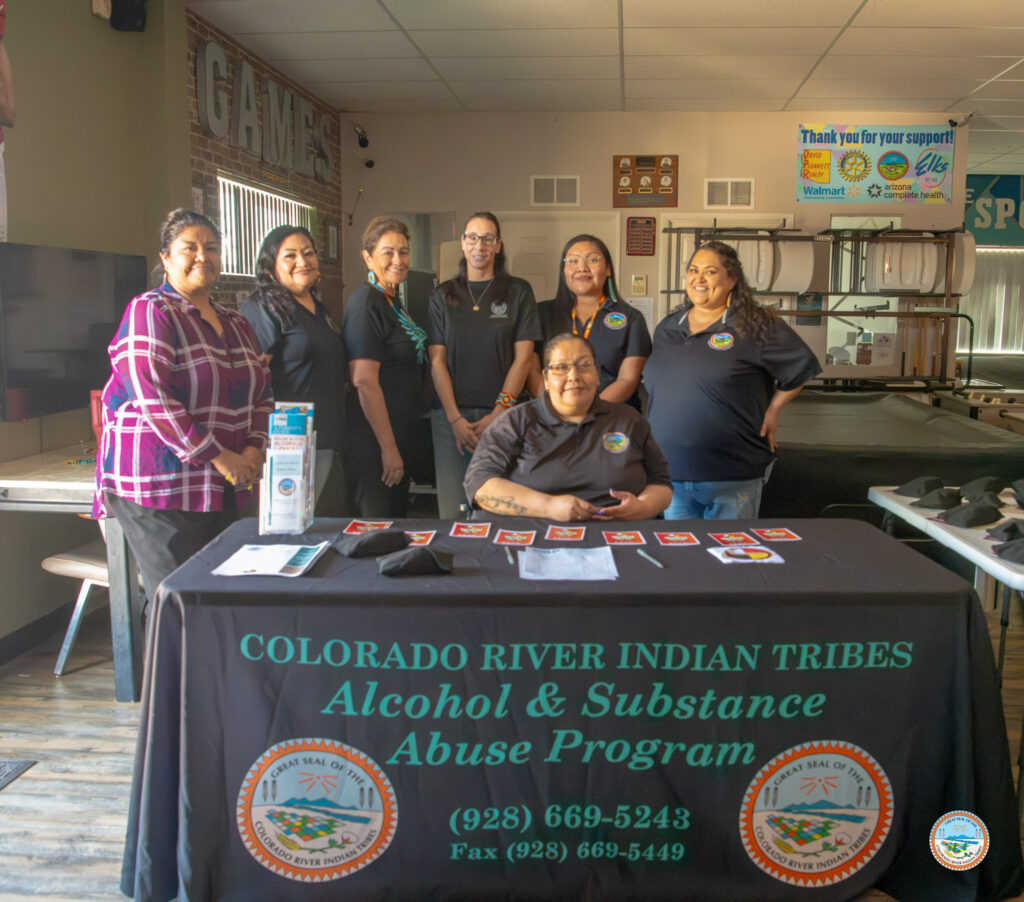
As the holidays approach, the Colorado River Indian Tribes Alcohol and Substance Abuse Program (ASAP) wants community members to know there is a place to turn when things get difficult. Throughout our interview, staff kept coming back to the same message: they are here to help, and they want people to reach out.
The holidays can bring people together, but staff understand that this time of year can also be tough. For someone struggling with alcohol or substance use, or working to maintain recovery, having support can matter. ASAP staff emphasized that they have tools and guidance to help people work through those challenges. If you are unsure where to begin, a conversation with their office can be a starting point.

Connecting with ASAP can also happen through its community events. The department has been active in bringing people together, and staff shared that there are more events to come. They encourage Tribal Members to watch for opportunities to participate, get to know the team and learn about the resources available. Follow CRIT ASAP on Facebook for upcoming events and program updates, or give the office a call to find out what is coming next.
That community involvement carries the same message as their work in the office: support is here throughout the year. Staff want Tribal Members to feel encouraged to ask questions and seek help when they need it. (more…)
It has been a long time coming for CRIT Head Start. For many of us, Head Start holds a special place in our memories. We attended Head Start here in the valley as children, and years later, our own children have walked through its doors. The grand opening of the new facility was a meaningful moment to celebrate a program that has been part of so many families’ lives.

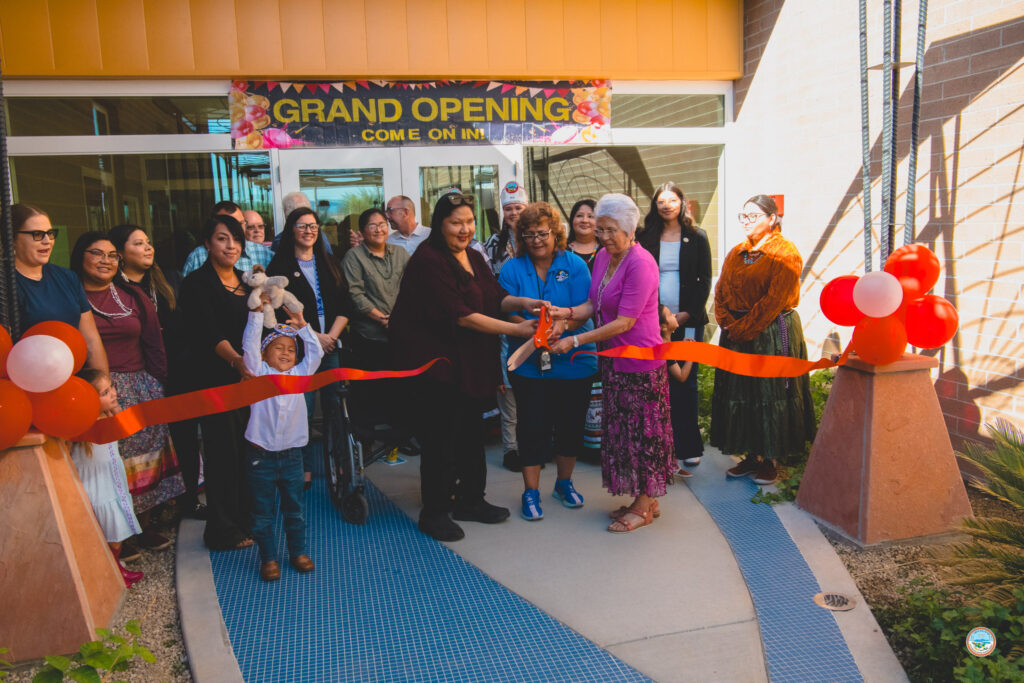
Community members gathered at the CRIT Head Start campus on Friday, Oct. 23, to celebrate the grand opening. With the theme “Building Futures, Opening Doors,” the celebration brought families, Tribal leaders and staff together to mark the occasion.

Acting Head Start Director Monica Rosnagle, CRIT Treasurer Anisa Patch and Chairwoman Amelia Flores cut the ribbon to officially celebrate the opening.

Tribal Council members in attendance included Chairwoman Flores, Secretary Josephine Tahbo, Treasurer Patch, Councilman Bill Beeson, Councilwoman Raeanne Patch, Councilwoman Tracey Quillen and Councilwoman Vanessa Welsh. Each shared a few words during the celebration.

The ceremony program included a welcome from Rosnagle, a blessing by Pastor Shawn Thompson and a guest speaker, Pastor Darryl Grissum. Miss CRIT Veronica Webb, Jr. Miss CRIT Jessica Scott and Little Miss CRIT Alura Rose Walrod introduced themselves and danced.

The celebration included performances representing the four Tribes of CRIT: the Mohave Singers and Dance Group, the Chemehuevi Red Foot Committee, the Hopi group and the Navajo group Tó Nílini Dá’ák’eh Dine’é, or River Field People. Head Start children also performed the ABC song. (more…)

An article by Diandra “Dee” Martinez
Assistant Film Festival Director of NatiVisions Film Festival & CRIT Tribal Member

NatiVisions is an Indigenous film festival that provides a platform for Indigenous people to tell and share their stories through film, art, books, music, fashion, and other forms of creative expression. The festival is intended to provide greater visibility for Indigenous voices and create opportunities for Native filmmakers, artists, musicians, storytellers, and other creatives to share their work with the community.

One of the primary purposes of NatiVisions is to remind audiences that Indigenous people are still here and that our voices, experiences, creativity, and stories deserve to be seen and heard. The festival is free and open to everyone, making Indigenous film and cultural programming accessible to the community and visitors. Attendees have opportunities to watch films, experience music and fashion, learn about Indigenous cultures, and come together as a community.

NatiVisions is held at the Bluewater Resort & Casino Theater in Parker, Arizona, within the Colorado River Indian Tribes (CRIT) community. The festival is held annually towards the end of September. This year’s festival took place September 23–26. NatiVisions is traditionally held toward the end of September because it coincides with Native American Days in Parker, Arizona. Holding the festival during this time allows NatiVisions to be part of a larger period of community gathering and cultural celebration. It provides another opportunity for community members and visitors to come together and celebrate Indigenous culture, creativity, storytelling, and traditions.
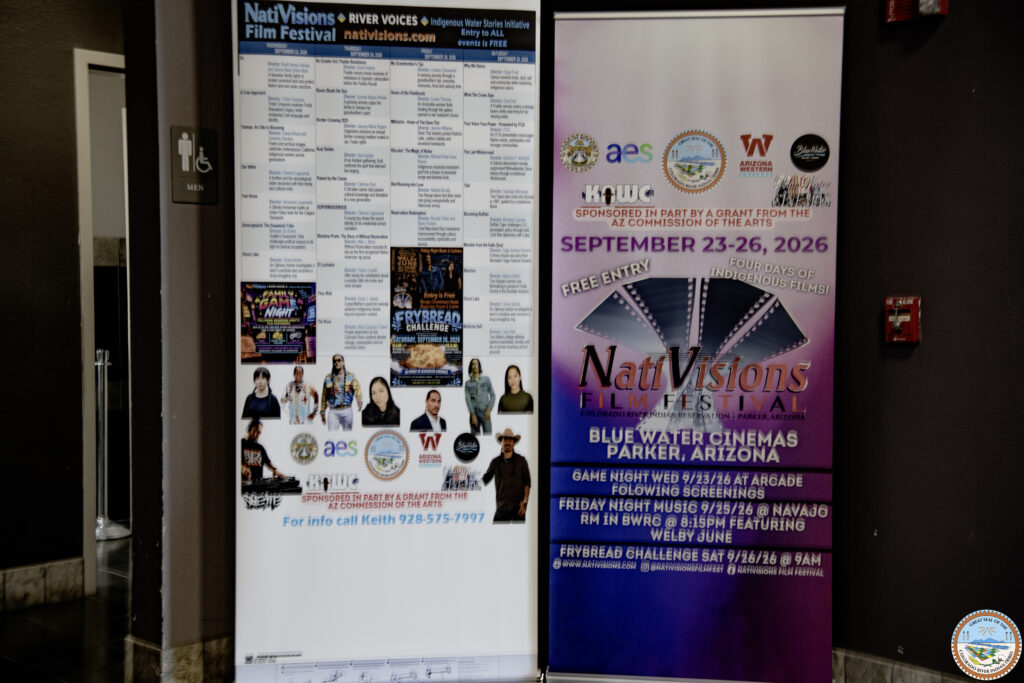
NatiVisions provides a free, educational, cultural, and family-friendly experience that brings people together through Indigenous storytelling and creativity. The festival serves a broad and diverse community centered around Indigenous peoples of the South-west while welcoming visitors from Arizona, California, and beyond. Because the festival is held within the CRIT reservation, it provides an accessible cultural space where Indigenous community members can see stories and experiences represented on screen.

The CRIT community includes members of the Mohave, Chemehuevi, Hopi, and Navajo tribes, while NatiVisions also welcomes filmmakers, artists, and attendees representing other Native nations. Festival participants and attendees include filmmakers, cultural leaders, artists, students, educators, youth, families, community members, and visitors. Non-Native attendees are also welcomed and have an opportunity to learn about Indigenous cultures and experiences through authentic storytelling created by Indigenous people. NatiVisions is more than watching films. The festival incorporates other activities and forms of cultural and creative expression, including music, fashion, art, and a frybread contest. (more…)


The Colorado River Indian Tribes’ second annual General Sessions meetings gave Tribal Members a closer look at the programs, services, and projects serving their community. Two meetings, one at BlueWater Resort & Casino for members living on the reservation and another for members in the Phoenix area, drew strong attendance, with hopes of welcoming even more participants in the years ahead. Councilwoman Raeanne Patch has championed these annual fall gatherings as an opportunity to strengthen communication between Tribal Members and their government. Each year, a different group of departments is highlighted, giving members an informal overview of their responsibilities, services, and contributions to CRIT. Councilwoman Patch’s goal is for each featured department head to attend and present directly to the membership.

This year, the Environmental Protection Office outlined its water and air quality programs, while Fish and Game highlighted conservation, reservation patrols, and youth education. The Tribal Historic Preservation Office explained how monitors protect sacred sites, ancestral lands, and cultural resources on and off the reservation. Updates on Tribal finances, the new Head Start facility, and proposed health facilities provided a broader picture of current operations and future plans. CRIT Media highlighted its efforts to keep members informed through the Manataba Messenger, 4 Tribes One Mic podcast, and digital storytelling.

Agriculture was another highlight, with ’Amat Kuwley Farms showcasing its role in CRIT’s economic future and stewardship of Colorado River water. General Manager Joshua Moore oversees production while building relationships with customers domestically and internationally. The farm reported impressive production accomplishments and plans to expand cultivation across available farmland, putting CRIT’s senior Colorado River water rights to productive use while generating revenue for the Tribes. Its alfalfa serves high-profile clientele, including Saudi royalty and owners of Kentucky Derby racehorses, helping establish a reputation for premium quality on the world stage. Moore’s work reflects a long-term commitment to building an agricultural enterprise that supports generations of Tribal Members while helping safeguard CRIT’s water rights.

Members who missed this year’s meetings are encouraged to watch for flyers announcing the next gatherings in fall 2027. Thank you to Councilwoman Raeanne Patch for organizing these annual opportunities for members to learn, connect, and stay informed about the work happening across CRIT.