October 28, 2026 11:47 pm
CRIT Nation, Parker, AZ
October 28, 2026 11:47 pm
CRIT Nation, Parker, AZ

CDO HIGHER EDUCATION PROGRAM
2026-2027 HE Application

CDO ADULT VOCATIONAL TRAINING PROGRAM
2026-2027 AVT Application

CDO Youth Services (YS) PROGRAM
CDO YOUTH SERVICES APPLICATION

Computer Assistance Program
COMPUTER PROGRAM APPLICATION

The Colorado River Indian Tribes is seeking applicants to fill a number of Tribal Board, Committee, and Commission vacancies. Applications are open until filled. Applications may be picked up at the Tribal Executive Offices or you can download the PDF’s here.

May 1st CommitteeBoard Member Application

Tribal Boards & Committees

Completed applications may be emailed to b.c@crit-nsn.go or dropped off at the Executive Offices.
Applicants must be CRIT Tribal Members, at least 21 years old, reside on or within the exterior boundaries of the reservation, and meet all board eligibility requirements.
Additional paperwork may be required depending on the board or committee.

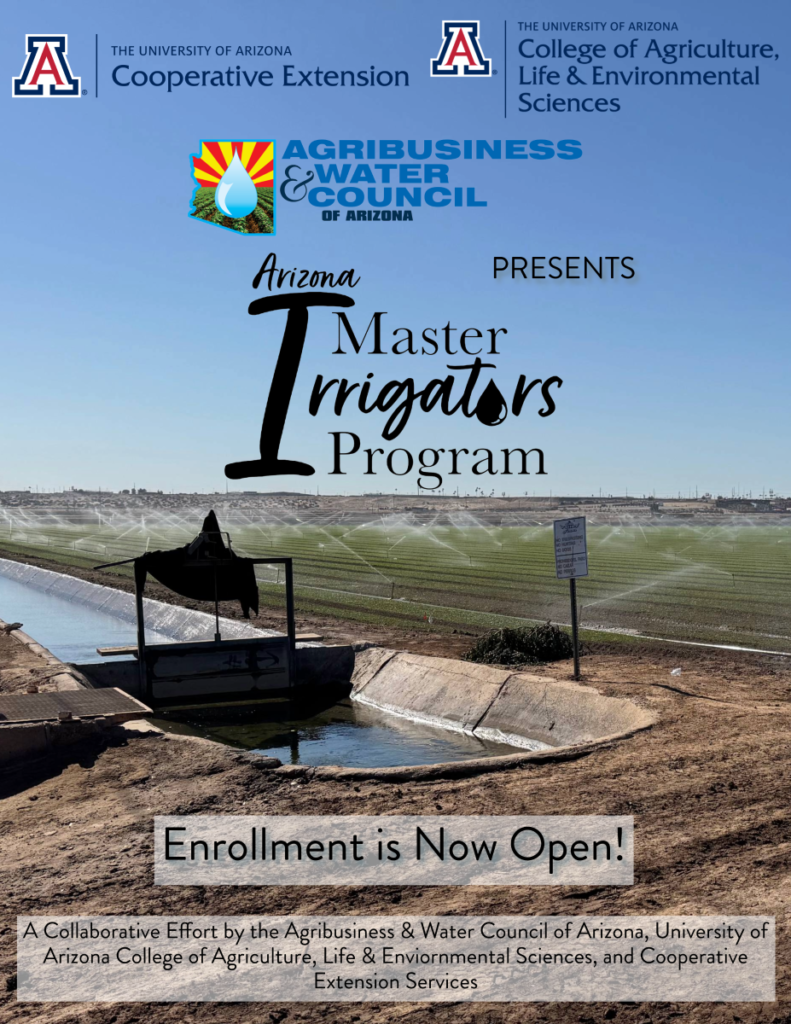
Enrollment is now open for the Arizona Master Irrigators Program, a collaborative effort by the Agribusiness & Water Council of Arizona, University of Arizona College of Agriculture, Life & Environmental Sciences, and Cooperative Extension Services. This program covers a wide range of irrigation and agriculture-focused topics, including soil, water and plant relationships, calculations, canal and ditch water distribution, irrigation practices, pumps and flow systems, fertility, food safety, field management, and safety leadership. 💧🌱

Courses will be offered in both English and Spanish, with translation technology available for students to take home. Those interested in participating should submit their affiliation, contact information, and completed application.

For more information, visit www.agribusinessarizona.org or contact the Agribusiness & Water Council of Arizona at (480) 558-5301 or Stephanie@agribusinessarizona.org

 

According to Arizona Water News, Arizona and its Lower Basin partners say they remain committed to finding common ground on new Colorado River operating rules despite stalled negotiations among the seven basin states. Officials emphasized continued collaboration with federal agencies and neighboring states to stabilize water supplies beyond 2026 as drought conditions persist. The effort reflects ongoing attempts to balance conservation, water demand, and long-term river sustainability. For CRIT, these negotiations remain important because federal and interstate agreements directly influence how tribal water rights are recognized and protected in future Colorado River management decisions.

Source: Arizona Water News — https://www.azwater.gov/news/articles/2026-02-19

According to the Navajo Times, federal officials are moving forward with developing new Colorado River operating guidelines even as state negotiations remain stalled. The Department of the Interior is continuing its environmental review process to prepare for post-2026 river management, highlighting the federal government’s role when states cannot reach consensus. Tribal consultation remains part of that process. For CRIT, federal involvement is significant because Colorado River policies shaped at the federal level directly affect tribal water rights, long-term planning, and regional water security.

Source: Navajo Times — https://navajotimes.com/reznews/federal-officials-move-forward-on-colorado-river-operating-rules-as-state-negotiations-stall/

According to ABC 15 Arizona, tribal nations along the Colorado River are among those with the most at stake as negotiations over future water allocations continue. Tribal leaders emphasize the importance of protecting established water rights while ensuring sustainable solutions to ongoing drought conditions. The article highlights how tribal participation is increasingly central in discussions about the river’s future. For CRIT, these conversations are especially important because tribal sovereignty and water rights remain critical factors in how Colorado River resources are managed across the basin. (more…)

According to CBS 5 Arizona’s Family, Arizona could face deeper Colorado River water cuts following missed negotiation deadlines, raising concerns about future water supply stability across the state. Officials say ongoing drought and reduced reservoir levels continue to challenge long-term planning efforts. These developments may lead to increased federal involvement in river management decisions. For CRIT, potential cutbacks are important because federal allocation decisions directly influence how tribal water rights are maintained and protected.

Source: CBS 5 Arizona’s Family — https://www.azfamily.com/2026/02/17/arizona-faces-major-colorado-river-water-cuts-deadline-passes/

According to the Colorado Sun, new forecasts suggest Lake Powell could reach critically low levels that threaten hydropower production and water deliveries if drought conditions persist. Reservoir storage plays a central role in determining how water is distributed across the Colorado River Basin. Experts say ongoing climate pressures and declining inflows continue to complicate long-term planning. For CRIT, reservoir conditions remain important because federal operational decisions tied to storage levels directly affect how tribal water allocations are managed and protected.

Source: Colorado Sun — https://coloradosun.com/2026/02/18/lake-powell-forecast-critical-lows-federal-study/

According to AZPM News, Colorado River basin states missed another federal deadline to reach agreement on future water reductions, increasing the likelihood of additional cutbacks across the Southwest. Officials warn that continued drought and declining reservoir levels could force tougher decisions about water allocation in the coming years. The missed deadline highlights growing uncertainty about long-term river management. For CRIT, potential water reductions and federal policy decisions directly influence how tribal water rights are protected and incorporated into basin planning.

Source: AZPM News — https://news.azpm.org/s/102728-arizona-and-western-states-miss-colorado-river-water-deadline-as-cuts-loom/

According to Newsweek, Lake Powell water levels could drop to critical levels sooner than expected, raising concerns about hydropower production and water deliveries across the Colorado River Basin. Experts say continued drought, reduced snowpack, and high demand are contributing to declining reservoir storage. These conditions add urgency to ongoing negotiations about future river operations. For CRIT, reservoir levels are important because federal decisions tied to storage conditions directly affect how tribal water allocations are managed and sustained.

Source: Newsweek — https://www.newsweek.com/lake-powell-water-could-drop-to-critical-levels-sooner-than-expected-11531274

According to Pinal Central, the Gila River Indian Community expressed concern over the lack of agreement among Colorado River basin states, noting the importance of tribal voices in ongoing water negotiations. Tribal leaders emphasized the need for sustainable solutions that recognize existing water rights while addressing long-term drought conditions. The statement highlights growing awareness of tribal participation in basin discussions. For CRIT, tribal engagement in Colorado River negotiations is significant because it reinforces the importance of protecting tribal sovereignty and water rights across the region.

Source: Pinal Central — https://www.pinalcentral.com/sacaton_central/gric-laments-lack-of-deal-over-colorado-river-water/article_cb91f461-07de-4f88-8d70-c3dec3b96c67.html

A recent statement from Colorado River Commissioner JB Hamby says California and other Lower Basin states have been working with federal officials and neighboring states to develop new long-term operating rules for the Colorado River after 2026. He noted that the original 1922 Colorado River Compact was based on water supply estimates that no longer match today’s reality, as river flows have declined over the past 25 years while demand continues to grow. 

According to the statement, California, Arizona, and Nevada committed to major conservation efforts in recent years and have already exceeded planned water savings meant to stabilize Lake Mead and Lake Powell. However, disagreements remain between Upper Basin and Lower Basin states about how future reductions should be shared, and negotiators have not yet reached a final agreement. 

For CRIT, these ongoing negotiations are important because federal Colorado River policies, interstate agreements, and conservation requirements directly influence how tribal water rights are protected, managed, and incorporated into long-term river planning that affects the entire region.

Source: https://crb.ca.gov/2026/02/statement-from-jb-hamby-colorado-river-commissioner-for-california/


February 14, 2026

According to the U.S. Department of the Interior, federal officials are moving forward with new operating guidelines for the Colorado River even though the seven basin states have not yet reached full agreement. The updated rules, expected by October 2026, are meant to provide stability for water deliveries, power generation, and long-term management as drought conditions and declining inflows continue to strain the river system. Interior Secretary Doug Burgum said discussions with states, Tribal Nations, and Mexico are ongoing, but federal action is needed to ensure future reliability of the river.

The Colorado River supplies water to about 40 million people, supports millions of acres of farmland, generates hydropower, and serves 30 Tribal Nations, making it one of the most important water sources in the West. Federal officials are currently accepting public comments on the draft environmental review that will guide future reservoir operations.

For CRIT, these federal guidelines are important because Colorado River management decisions directly affect how tribal water rights are protected, how water is allocated in the Lower Basin, and how long-term planning supports the Tribe’s water security, economy, and future generations.

Source: U.S. Department of the Interior / Bureau of Reclamation press release

According to Arizona Mirror, Colorado River negotiations hit a setback as Lower Basin states, including Arizona, criticized Upper Basin states for resisting deeper water conservation commitments. Officials say ongoing drought conditions and declining reservoir levels are increasing pressure to finalize new operating rules before current guidelines expire. The disagreement highlights continuing tension over how water reductions should be shared across the basin. For CRIT, these negotiations are important because interstate agreements and federal management decisions directly influence how tribal water rights are protected and incorporated into long-term river planning.

Source: Arizona Mirror — https://azmirror.com/2026/02/13/arizona-blasts-upper-basin-states-for-refusing-cuts-as-colorado-river-talks-fail/

According to the Arizona Department of Water Resources, state officials say they will continue protecting Arizona’s Colorado River resources even after basin states failed to reach a consensus ahead of the federal deadline. Leaders emphasized ongoing drought challenges and the need for continued negotiations to maintain stability for water users across the region. State agencies say collaboration with federal partners and neighboring states remains essential moving forward. For CRIT, continued state and federal coordination is significant because long-term Colorado River policies directly affect how tribal water rights are recognized and sustained.

Source: ADWR Statement — https://azwaternews.com/2026/02/13/021326_statement/

According to USA Today, Colorado River negotiations approached a critical deadline without a final agreement, reflecting ongoing disputes over how to manage shrinking water supplies across the Southwest. Experts say declining snowpack, persistent drought, and competing demands are making consensus more difficult as states prepare for new post-2026 operating guidelines. Federal involvement may increase if states cannot reach agreement. For CRIT, these developments matter because federal river management decisions play a key role in protecting tribal water rights and ensuring long-term water security.

Source: USA Today — https://www.usatoday.com/story/news/nation/2026/02/13/colorado-river-deal-deadline/88658491007/

CRIT Education recently held its annual CRIT Royalty Dance for the outgoing and incoming Little Miss, JR Miss & Miss CRIT contestants. CRIT Royalty started off the morning dancing for Le Pera Elementary. Opening remarks by outgoing Miss CRIT Jayde Booth included the importance of language, language preservation as well as Native American dance history.  Outgoing Junior Miss CRIT Lily Deanne Dick and outgoing Little Miss CRIT Eimyah Ameelyenah wished contestants good luck on their journey for the title. The Mohave Bird Singers provided traditional bird songs.

(more…)

The CRIT Senior Center held its annual Elders Halloween Party October 31st at the Mo-Ch-Ho-Na Center. The elders enjoyed several games including a cake walk and costume contest. Lunch was also served.

Loretta Lee, Benefits Coordinator and Contact Representative of the Parker Indian Health Center, was on site to provide information on Medicare, changes to purchased referred care, and Arizona Medicaid. Anyone with questions on the presentation can contact Loretta Lee at (928)-669-2137 .

Tribal Council members in attendance included Chairwoman Amelia Flores, Councilwoman Vanessa Welch, Councilwoman Jaymee Moore and Councilman J.D. Fisher.

Senior Center Program Director Jimi Mae Jackson wishes to thank everyone who attended.

CRIT Library recently hosted a read along for the students of CRIT Head-Start with Smokey  Bear. The day started off with a short story, “It’s Fall” by Rene Kurilla. Smokey Bear read “Smokey’s story time”. The book touches on camping safety and fire safety and prevention. CRIT Fire was on site to give the kids a tour of their fire engine and other equipment used to help put out fires and save lives.


CRIT’s Revenue and Finance Department recently held a Business License & Tax Workshop at the Blue Water Resort and Casino to give current and potential business owners a look at how tribal businesses ae licensed and regulated. The workshop outlined three primary steps for obtaining a business license.

  1. Determine the type of license needed.
  2. What are the business license requirements?
  3. When are the deadlines?

The workshop also explained the different types of business licenses.

Type one license

A temporary license which consists of 4-day consecutive selling and no further days.

Type two license

A seasonal license which consists of selling for more than four consecutive days and less than three months.

Type three license

An annual business license which consists of selling for more than three consecutive months during the calendar year. Annual business licenses expire on December 31st of the year of issuance.

Type four business license

Peddlers(non-food) license. This license is “retail sales” (non-food sales) for a person or persons who are selling tangible personal property (non-food) at retail.

Type five business license

Peddler (food) license applies to a person or persons selling prepared food items at retail. (more…)