Please follow the hyper link for Career Development Applications
Youth Service Application
CDO YOUTH SERVICES APPLICATION
Career Enhancement Program Application
CE Program Application
Higher Education Program Application
2025-2026 Higher Ed Application0001
Adult Vocational Training Program Application
2025-2026 AVT Application
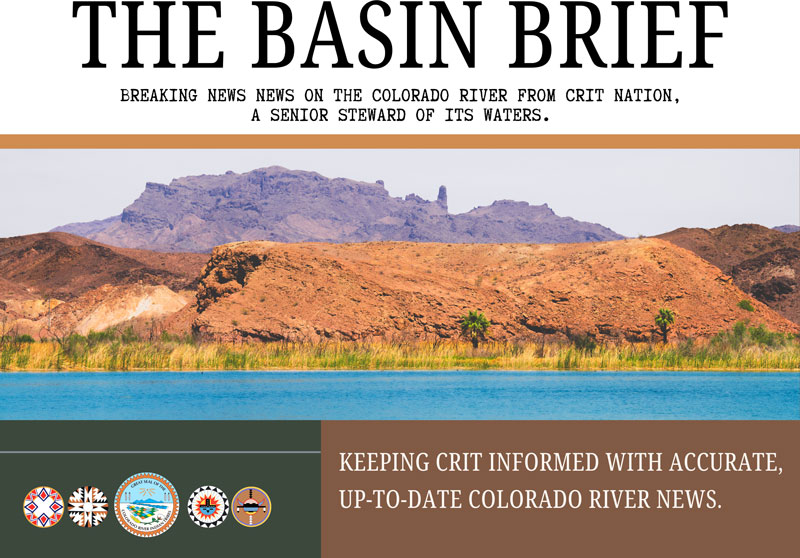
By Ariana Romero CRIT Media
According to the Arizona Mirror, rural Arizona residents are pushing back against a proposed bill that would allow a hedge fund to transport and sell groundwater from rural areas to cities like Phoenix. Opponents argue the measure could drain local water supplies and remove control from the communities that depend on those resources.
The proposal highlights growing tensions between rural and urban water needs as Arizona faces increasing pressure from Colorado River shortages. As cities look for new water sources, rural communities are raising concerns about long-term sustainability and fairness.
For CRIT, this issue reflects a larger pattern across the Southwest, where water is becoming a highly valuable and contested resource. Decisions about who controls and benefits from water supplies are directly tied to protecting Tribal water rights and ensuring long-term access.
According to Signals AZ, decisions being made about the Colorado River’s future could have significant impacts on Yuma, one of Arizona’s most important agricultural regions. Yuma relies heavily on Colorado River water to support farming and local economies.
As negotiations continue over how to manage the river after 2026, potential reductions in water allocations could affect crop production and economic stability in the region. Officials are closely monitoring how federal plans may shape future water deliveries.
For CRIT, impacts to regions like Yuma highlight how interconnected the Colorado River system is. Changes in water distribution anywhere along the river can affect the overall balance of the system and influence decisions that impact Tribal communities downstream.
According to KJZZ, there is renewed discussion about restarting the dormant desalination plant in Yuma as a way to supplement Colorado River supplies. The plant, which treats water from Mexico, has long been considered a potential tool to help offset water shortages in the region.
Supporters say reviving the plant could help increase available water as Colorado River supplies continue to decline. However, questions remain about cost, environmental impacts, and long-term feasibility.
For CRIT, desalination represents one of several strategies being explored to reduce pressure on the Colorado River. These types of projects could play a role in shaping future water availability across the basin.
According to CBS 5 Arizona’s Family, treated seawater is being considered as a potential solution to help Arizona address deeper Colorado River water cuts. The idea involves desalinating ocean water and transporting it inland to supplement existing supplies. (more…)
By Ariana Romero CRIT Media
According to the Arizona Department of Water Resources (ADWR), the February 2026 drought status report shows ongoing drought conditions across much of Arizona, with long-term dryness continuing to impact water supplies. While some areas have seen minor improvements, snowpack and precipitation levels remain below average in key regions that help feed rivers and groundwater systems.
These conditions are part of a broader trend across the Colorado River Basin, where reduced snowpack and warmer temperatures continue to limit water availability. Drought conditions not only affect surface water but also place increased pressure on groundwater resources as communities rely more heavily on alternative supplies.
For CRIT, ongoing drought conditions are critical because they directly impact the Colorado River system. Reduced water availability upstream can influence river flows, reservoir levels, and long-term water management decisions that affect Tribal water rights and future planning.
According to CBS 5 Arizona’s Family, two proposed Arizona bills would allow rural groundwater to be sold and transported to larger cities. Supporters say the legislation could help address water shortages in growing urban areas, while opponents argue it could drain rural water supplies and negatively impact local communities.
Residents in rural areas have raised concerns about losing control over their groundwater, especially as demand increases from cities facing Colorado River cutbacks. The issue highlights growing tension between rural and urban water needs in Arizona.
For CRIT, groundwater policy is closely tied to the broader conversation about water use and resource protection. As pressure on the Colorado River increases, decisions about groundwater transfers could reshape how water is distributed across the state and impact long-term water security.
According to the Payson Roundup, Arizona’s congressional delegation is متحد in opposing a federal plan that could reduce the state’s Colorado River water supply. Lawmakers argue the proposal would unfairly impact Arizona and are calling for a more balanced approach to managing shortages across the basin.
The opposition reflects ongoing disagreements between states and federal officials as new rules for managing the Colorado River after 2026 are developed. Arizona leaders say they are working to protect the state’s share of river water amid growing scarcity.
For CRIT, federal decisions about Colorado River allocations are especially important because they influence how water shortages are shared and how Tribal water rights are recognized within the system.
According to NOAA Drought.gov, snow drought conditions continue across much of the western United States, meaning there is less snowpack available to supply rivers like the Colorado River. Even when storms occur, warmer temperatures can cause snow to melt too early or fall as rain instead.
Snowpack acts as a natural storage system for water, slowly releasing runoff into rivers during the spring and summer. When snowpack is low, less water flows into reservoirs like Lake Powell and Lake Mead, which are critical to the Colorado River system.
For CRIT, snow drought conditions are a key concern because they directly affect how much water enters the Colorado River each year, influencing water availability for Tribal communities and long-term resource planning.
According to the Navajo Nation Office of the President and Vice President, President Buu Nygren is urging swift passage of a water rights settlement aimed at addressing long-standing water access challenges for the Navajo Nation. The settlement is intended to help secure water infrastructure and provide reliable access to water for communities that have faced shortages for generations.
Tribal leaders emphasize that water rights settlements are essential for ensuring that allocated water can actually be delivered and used, especially in areas lacking infrastructure.
For CRIT, this highlights the broader importance of Tribal water rights across the Colorado River Basin. Securing and developing water rights remains a key issue for Tribal Nations working to protect their resources and support their communities.
According to Tribal Business News, federal officials are warning of a funding gap as tribes support a proposed $5 billion Arizona water settlement. The settlement aims to resolve water rights issues and fund infrastructure projects, but concerns remain about whether sufficient federal funding will be available.
Tribal leaders continue to advocate for investment in water systems to ensure that water rights can be fully realized. Without funding, even legally secured water rights may remain difficult to access or use.
For CRIT, this reinforces the importance of both water rights and the infrastructure needed to support them. Funding decisions at the federal level can directly impact how Tribal Nations develop and protect their water resources.
By Ariana Romero CRIT Media
According to 12News (KPNX), the Central Arizona Project (CAP) is warning that Arizona could face up to $2.7 trillion in economic losses under a worst-case Colorado River management scenario.
CAP officials say severe water reductions could impact agriculture, housing development, and overall economic growth across the state. The Colorado River is a primary water source for Arizona, and any major cutbacks would ripple through multiple sectors.
For CRIT, this highlights how closely water is tied to economic stability. Decisions about Colorado River water are not just environmental, they directly affect jobs, infrastructure, and the long-term well-being of Tribal communities that depend on the river.
According to Newsweek, Lake Powell could see some of its lowest water levels in 25 years due to continued drought and low snowpack across the Colorado River Basin.
Forecasts show that inflows into the reservoir this year could be among the lowest on record, with only about 36% of average runoff expected. If water levels drop too low, it could threaten hydropower production at Glen Canyon Dam and reduce the system’s ability to store and deliver water.
For CRIT, Lake Powell plays a major role in managing the Colorado River system. Declining reservoir levels can affect how water is released downstream, which impacts water availability for communities, agriculture, and Tribal Nations along the river.
According to Indianz.com, the Senate Committee on Indian Affairs is preparing to hold a hearing focused on Tribal water rights.
The hearing will address ongoing efforts to secure and protect water rights for Tribal Nations, many of which are still working to finalize settlements and access infrastructure needed to fully use their water allocations.
For CRIT, this is especially important because Tribal Nations hold some of the most senior water rights on the Colorado River. Federal discussions and decisions around these rights can influence how water is allocated, protected, and developed for Tribal communities now and in the future.
Sources
Indianz.com: https://indianz.com/News/2026/03/10/senate-committee-on-indian-affairs-sets-hearing-on-water-rights/
According to KOLD News 13, ongoing debates over how Colorado River water should be allocated could have major consequences for Arizona farmers. Agriculture relies heavily on Colorado River water, particularly through deliveries from the Central Arizona Project.
If deeper cuts are implemented under new federal operating guidelines, many agricultural operations could face significant reductions in available water. Farmers and water managers are closely watching negotiations as federal officials work to finalize new management rules for the river after 2026.
For CRIT, these discussions are important because agriculture remains one of the largest users of Colorado River water. Decisions about water allocations across the basin could influence farming operations, economic stability, and long-term water planning throughout the region.
According to the Los Angeles Times, officials from Arizona, California, and Nevada are urging the federal government to reconsider parts of its draft plan for managing Colorado River water shortages.
Leaders from the Lower Basin states say the proposal could shift too much responsibility for water reductions onto their states, even though they have already implemented conservation measures in recent years. The request highlights ongoing tensions between the Upper Basin and Lower Basin states as the federal government works toward new operating rules.
For CRIT and other Tribal Nations along the river, the outcome of these negotiations will shape how water shortages are shared across the basin and how the Colorado River is managed in the future.
According to KJZZ, a new agreement involving Arizona and Mexico could move forward plans to produce desalinated ocean water that could eventually supplement Colorado River supplies.
The concept would involve building desalination facilities along the Gulf of California and transporting treated water inland. While the project would require major infrastructure and investment, supporters say it could help reduce reliance on the Colorado River during prolonged drought conditions.
For CRIT, proposals like this reflect how states are exploring alternative water sources as pressure on the Colorado River increases and long-term supply challenges continue.
According to KJZZ, Arizona water officials are pushing back against a draft federal proposal that would guide how the Colorado River is managed after 2026. Leaders from Arizona’s water agencies say the proposal could unfairly shift more water reductions onto Lower Basin states like Arizona.
The plan is part of the Bureau of Reclamation’s process to create new operating rules for Lake Mead and Lake Powell as the river continues to face long-term drought and declining flows. Arizona officials argue the draft proposal does not adequately account for previous conservation efforts already made by Lower Basin states.
For CRIT and other Tribal Nations along the Colorado River, these negotiations are critical because the final federal plan will shape how water shortages are shared and how the river system is managed in the decades ahead.
According to the Colorado Sun, water experts are exploring a “conservation pool” concept that could help stabilize water levels in the Colorado River’s major reservoirs. The idea would create a reserve of water stored specifically to protect Lake Mead and Lake Powell from dropping to critically low levels.
Under the proposal, water users across the basin would contribute conserved water that could be held in reserve and used during severe shortages. Supporters say the concept could provide more flexibility in managing the river during drought conditions.
For CRIT and other Colorado River communities, ideas like this illustrate the kinds of creative management strategies being discussed as officials work to protect the long-term reliability of the river system.
Source:
https://coloradosun.com/2026/03/04/conservation-pool-path-forward-colorado-river/
According to the Imperial Valley Press, California water officials are warning that the federal government’s proposed Colorado River management plan could conflict with the Colorado River Compact and other long-standing water agreements.
State officials say parts of the draft plan could undermine legal water rights that have governed the river for more than a century. The warning highlights growing tension among the basin states as they struggle to reach consensus on how to manage declining river supplies.
For CRIT, discussions about the Law of the River, compacts, and federal authority are especially important because Tribal Nations hold legally recognized water rights that must be considered in future river management decisions.
According to KTAR News, decisions being made about the future management of the Colorado River will have major consequences for Arizona’s water supply. State leaders say upcoming federal decisions on post-2026 river operations could determine how much water Arizona receives during future shortages.
The Colorado River supplies water to millions of people across the Southwest and supports agriculture, cities, and power generation. As negotiations among the seven basin states remain unresolved, federal officials may ultimately have to determine how water reductions are shared.
For CRIT and other Tribal Nations along the Colorado River, these decisions are especially important because new operating rules will guide how the river is managed for decades and could influence water deliveries, infrastructure planning, and long-term water security.
According to 9News Denver, the seven Colorado River Basin states have missed key deadlines to reach a new agreement on how to manage the shrinking river. With negotiations stalled, the federal government may ultimately step in and set new operating rules.
The U.S. Department of the Interior has been working with the states to develop guidelines for managing Lake Mead and Lake Powell after 2026, when current shortage agreements expire. Without consensus among the states, federal officials could impose a plan to prevent reservoir levels from dropping to dangerously low levels.
For CRIT, federal involvement in Colorado River operations is significant because Tribal Nations are key stakeholders in the river system. Decisions made during this process could affect water allocations, infrastructure planning, and the long-term stability of the river that supports communities across the basin.
On behalf of CRIT we would like to congratulate Yolanda Gomez for 40 years of service and dedication.
Yolanda started her career with the Colorado River Indian Tribes on August 19, 1985 as Secretary with CRIT Farms.
In May of 1991, Yolanda transferred to Accounting as Enterprise Bookkeeper, and in 2008, she received a promotion to Senior Staff Accountant. Because of her expertise and dedication, “Yoli” as she is affectionately called, has also been appointed Acting Controller during times of need.
The Tribal Council and Human Resources Department thanks you for 40+ years of continued service to the Colorado River Indian Tribes.


COLORADO RIVER INDIAN TRIBES
DEPARTMENT OF HEALTH AND SOCIAL SERVICES
12302 KENNEDY DRIVE
PARKER, ARIZONA 85344
TELEPHONE (928) 669-6577
FAX (928) 669-8881
August 22, 2025
Notice to the Public:
The Colorado River Indian Tribes Department of Health and Social Services (DHSS) has received information that Mosquito Arbovirus Surveillance was conducted on the Colorado River Indian Reservation on August 19“’ & 20“’, 2025. This surveillance was conducted by the Parker Indian Health Service Office of Environment Health and Engineering (IHS;OEH&E) in partnership with the CRIT Environmental Protection Office (EPO).
There were mosquito pools that were tested for the presence of the West Nile Virus. One sample tested Positive for the presence of the West Nile virus collected at the Poston, Arizona – 50 Homes site. The best way to prevent infection is to avoid mosquito bites by taking precautionary measures to protect you and your family from dusk to dawn.
● Use an insect repellent and reapply as directed.
● Wear long-sleeved shirts and pants, covering arms and legs.
● Treat clothing and gear with repellant.
● Take steps to control mosquitoes indoors and outdoors, drain standing water
in flower pots, bird baths, or old tires.
● Keep doors and windows shut.
Eighty percent (80%) of people infected with WNV will not show any symptoms but we are asking the public to report any symptoms that you may be experiencing after a mosquito bite that you feel could be due to the West Nile virus. Symptoms can be flu-like and can include: a fever, a headache, body aches, diarrhea, a rash, nausea and vomiting and can be mild or severe, and may last a few days to a few weeks. However, in rare cases, severe illness can occur; that might include brain infections such as meningitis or encephalitis, paralysis or even death. There is no vaccine for the WNV in the United States, and there are no specific treatments.
The 50 Homes area was treated in the early morning hours of Friday, August 22, 2025, by CRIT EPO, The Parker IHS OEH&E and CRIT EPO will continue to monitor the area as well as the surrounding areas for West Nile virus activity to reduce the mosquito population.
● If you want to report an environmental issue such as standing water, please call the CRIT Environmental Office at 928-662-4336.
For any symptoms that you may be experiencing, please contact your primary care physician or visit the Emergency Department or call the Parker Indian Health Services Public Health Nursing at 928- 669-213
● For more information on the West Nile virus, please visit this link.
You can also contact the Department of Health and Social Services at 928-669-6577, for more information
Ramirez Flores has been serving as a Game Warden for the past four months, bringing a passion for the outdoors and a background in biology that inspired his career with Fish and Game. Growing up, he spent much of his time fishing alongside his father, which gave him an early appreciation for nature. His typical day includes patrolling the reservation, making sure campers and hunters have the proper permits, and helping to keep the reservation safe and clean. One of his most memorable moments on the job was responding to a call about baby falcons in need of care.
Flores and his team transported the birds to a rehabilitation facility, and seeing them survive and thrive was a rewarding experience. For Flores, being a Game Warden is more than working with animals, it’s about protecting the land and ensuring the community can enjoy it responsibly. His advice to anyone interested in joining the field is simple, follow policy. He believes it is the key to keeping both the community and the environment safe. Flores describes the work as exciting and fun, and he is proud to be part of such a strong team. As he heads to the academy alongside his fellow wardens, the community wishes him the best of luck on his journey. Also on the Fish and Game team is Sergeant Christian Handyside, who has been with the department going on one year. (more…)
TUCSON, Ariz. — The University of Arizona will host a special series of sign unveiling ceremonies on Friday, September 4, 2026, honoring the four languages of the Colorado River Indian Tribes (CRIT): Mohave, Chemehuevi, Hopi, & Navajo. These ceremonies represent an important milestone in an ongoing campus-wide initiative to elevate the visibility, recognition, and continued presence of Indigenous languages and cultural heritage within the campus community.
The events are organized by the University of Arizona’s Office of Native American Advancement & Tribal Engagement (NAATE) in collaboration with individual academic colleges. Students, faculty, staff, tribal community members, and the general public are invited to attend the progression of ceremonies throughout the day.
The schedule for the Friday ceremonies includes:
The celebration of Indigenous culture continues into the weekend with the Native American Heritage Game on Saturday, September 5, 2026. The Arizona Wildcats will face Northern Arizona at Casino Del Sol Stadium, with kick-off scheduled for 6:30 PM MST. Pre-game festivities at Bear Down Field will begin at 3:15 PM with the Bear Down Bash, featuring 18-minute cultural performances from each tribe. A traditional gift presentation will follow during the Wildcat Walk at 4:15 PM, leading up to an on-field tribal recognition ceremony during the second quarter of the football game.
For more operational schedules or to register for the unveiling events, please visit the official University of Arizona Event Page.