September 23, 2026 5:12 pm
CRIT Nation, Parker, AZ
September 23, 2026 5:12 pm
CRIT Nation, Parker, AZ

News Update November 12, 2025

Negotiations over the future of the Colorado River have reached a standstill after all seven basin states failed to meet a key federal deadline. Reports from 12News and 8NewsNow confirm that the states were unable to agree on a new water-sharing plan, leaving the situation unresolved as the river continues to decline.

High Country News explains that the biggest disagreements involve how much each state should give up in the future. The upper Basin states want fewer mandatory reductions, while the Lower Basin states, including Arizona, say they have already taken the deepest cuts and cannot continue to absorb the majority of the impacts.

With no agreement in place, Arizona Governor Katie Hobbs has asked the Trump administration to intervene. She stated that Arizona has made significant sacrifices and cannot carry the weight of the reductions while other states refuse to commit to measurable cuts. If the states cannot reach a plan soon, the federal government may create one for them.

For the Colorado River Indian Tribes, the outcome of these negotiations has major importance. CRIT holds valuable senior water rights and relies on a stable and fair management plan to ensure long-term security for the community and the region.

For more information, you can read the news articles with the links below.

8NewsNow
https://www.8newsnow.com/news/local-news/colorado-river-negotiations-fail-to-meet-federal-deadline-for-7-state-agreement/

High Country News
https://www.hcn.org/articles/why-colorado-river-negotiations-are-so-difficult/


ABC 15 News
https://www.abc15.com/weather/impact-earth/why-gov-katie-hobbs-wants-trump-administration-to-broker-colorado-river-deal


12 News
/wednesday-is-deadline-for-7-state-including-arizona-to-negotiate-the-colorado-river

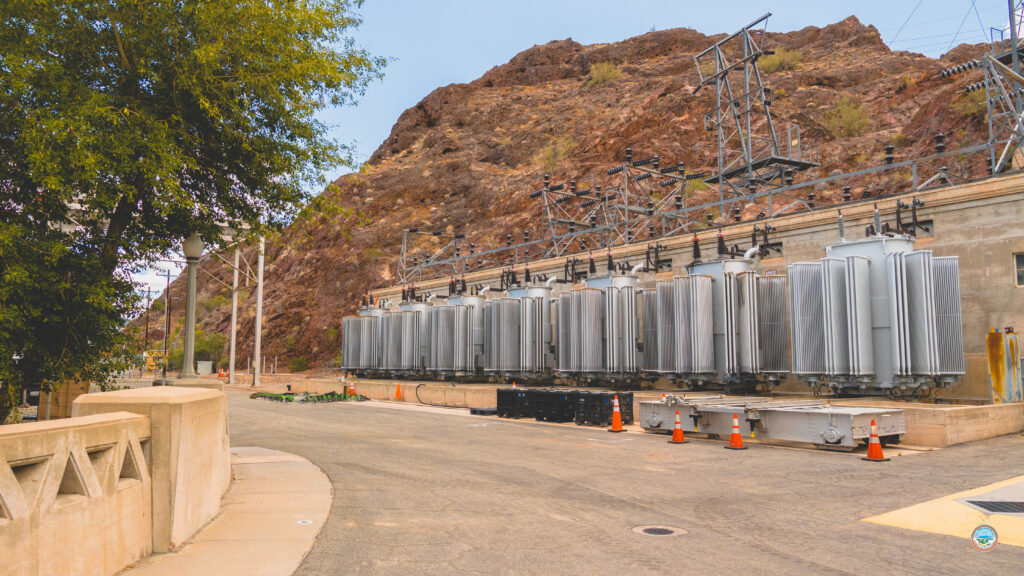
CRIT Media was formally invited to tour the Metropolitan Water District (MWD) facility in Parker, Arizona, alongside local business owners from Lake Havasu, Parker Area Chamber of Commerce, representatives, and local law enforcement agencies. The tour provided an inside look at the facility’s operations, including how water is stored and managed along the Colorado River system. Guests were also able to explore historic buildings constructed in the early 1930s, many of which still feature the nostalgic architecture and craftsmanship of that era.

Throughout the visit, MWD staff shared their passion for the work they do and the long history the district has in the Parker area. It is no secret that Colorado River Indian Tribes and MWD have maintained a longstanding relationship due to their close proximity and shared connection to the Colorado River. Employees like Gina Chavez, who was born and raised in Parker and grew up on MWD property, spoke about the importance of community outreach, local involvement, and helping create employment opportunities for residents in the area.

The tour highlighted not only the scale and complexity of water operations in the region, but also the deep local ties and history that continue to connect Parker, the Colorado River, and the people who work to manage one of the Southwest’s most important resources.
(more…)

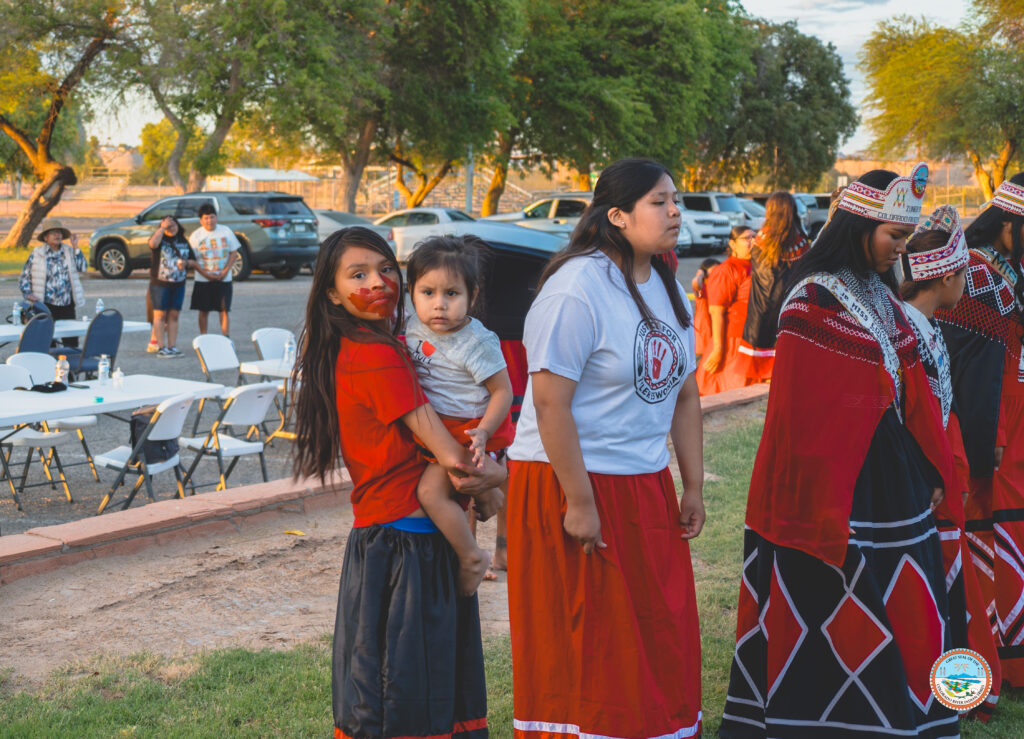
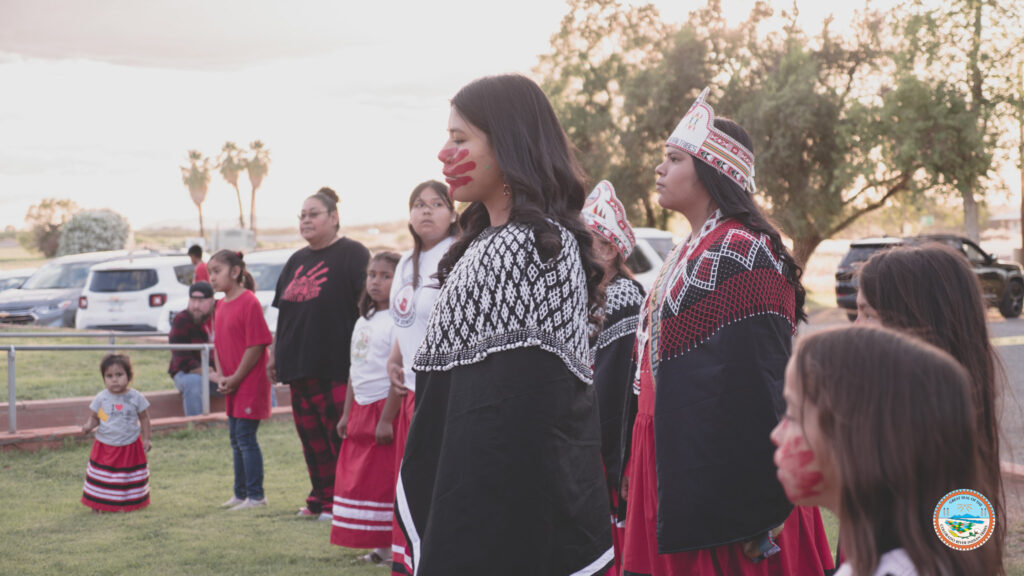
The Missing and Murdered Indigenous Women and People (MMIWP) movement brings awareness to the ongoing crisis of Indigenous people who have gone missing or been murdered across Tribal communities throughout North America. For decades, Indigenous families and advocates have called attention to the lack of media coverage, jurisdictional challenges, and limited resources that have contributed to many of these cases going unsolved or overlooked.

On Tuesday, May 5th, 2026 CRIT hosted an event honoring MMIWP, bringing the community together in remembrance, reflection, and support for affected families.

Several speakers courageously shared the stories of loved ones from the reservation who have gone missing or were tragically murdered and are not forgotten. Young girls spoke about the heartbreaking loss of their father, siblings shared memories of missing sisters, mothers, and grandparents.

A special thank you to Councilman Tommy Drennan for organizing the event with Janice Patch and other organizers of this very important day for CRIT and all of Indian Country.
~ Proposal adds up to a million-acre-feet of conservation on top of the 1.25 million-acre-feet annual Lower Basin reductions proposed earlier ~

The Lower Basin States of Arizona, California, and Nevada have advanced a plan to stabilize the Colorado River through 2028, responding to declining reservoir levels, record low inflows to Lake Powell, and increasing risk of reaching critical elevations at both Lake Powell and Lake Mead.

Earlier in the post-2026 process, the Lower Basin took a significant step by proposing 1.25 million acre-feet in annual reductions, with an additional 250,000 acre-feet from Mexico, totaling approximately 1.5 million acre-feet per year.

This proposal builds on that foundation with an expanded system conservation program across the Lower Basin with an estimated contribution of at least 700,000 acre-feet. In total, the plan identifies up to 3.2 million acre-feet of water savings to the system through 2028.

The proposal is an integrated package addressing Lake Powell releases, Upper Initial Unit operations, Lower Basin reductions, additional conservation, use of Intentionally Created Surplus, and system infrastructure improvements. Lower Basin contributions are contingent on these coordinated operations to ensure system stability as well as appropriate funding.
“With this proposal, the Lower Basin is putting forth real action to stabilize water supply along the Colorado River. We’re putting forward additional measurable water contributions for the system. Without that, the system will continue to decline,” said JB Hamby “This proposal is about moving from ideas to implementation,” said John Entsminger. “It pairs real measurable water contributions with sensible dry-condition operations at Lake Powell and across the Upper Initial Units. Now is the time for every water user in the Basin to double down on water conservation as we face historically dry hydrology.”

“This proposal reflects the creativity and commitment of water users across the Lower Basin who continue to step forward with solutions that support the river,” said Tom Buschatzke. “We have shown that collaborative, voluntary efforts and reductions that are certain can produce meaningful water savings.” (more…)

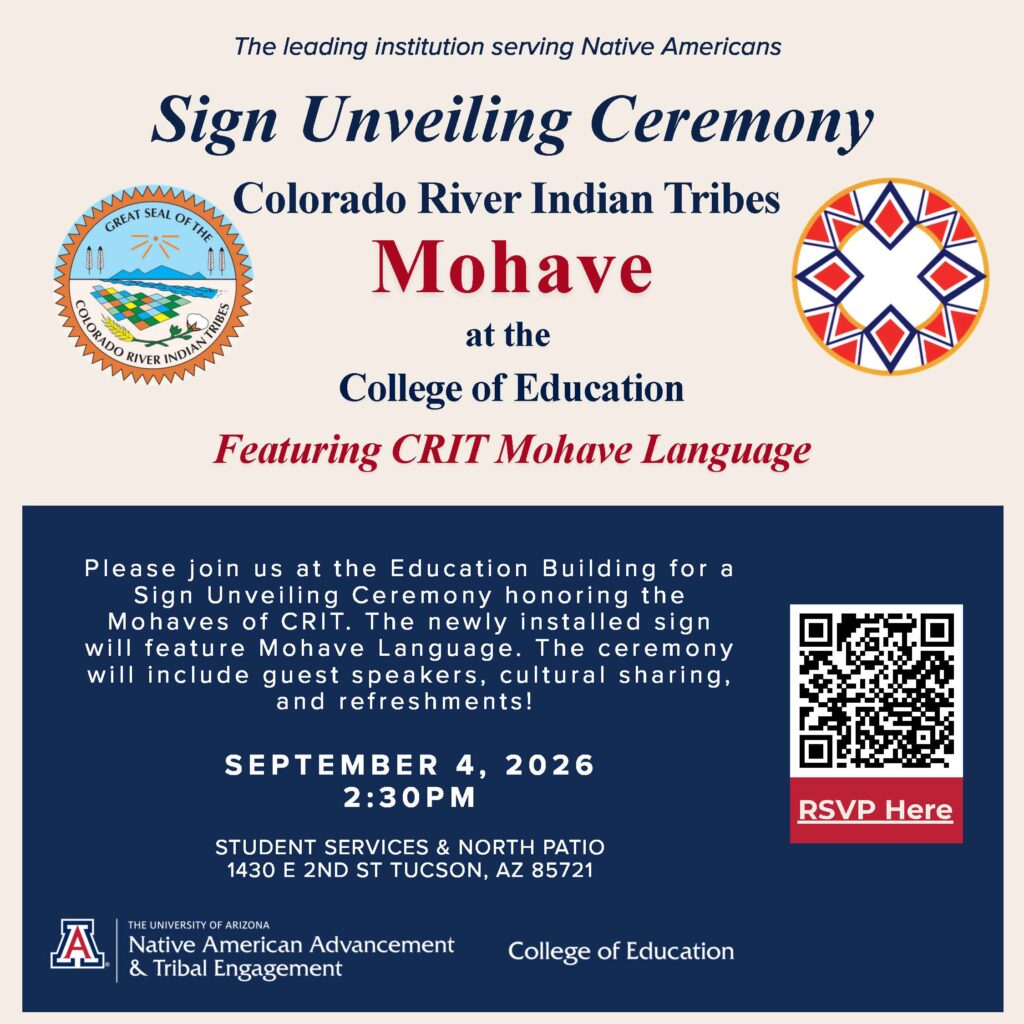
TUCSON, Ariz. — The University of Arizona will host a special series of sign unveiling ceremonies on Friday, September 4, 2026, honoring the four languages of the Colorado River Indian Tribes (CRIT): Mohave, Chemehuevi, Hopi, & Navajo. These ceremonies represent an important milestone in an ongoing campus-wide initiative to elevate the visibility, recognition, and continued presence of Indigenous languages and cultural heritage within the campus community.

The events are organized by the University of Arizona’s Office of Native American Advancement & Tribal Engagement (NAATE) in collaboration with individual academic colleges. Students, faculty, staff, tribal community members, and the general public are invited to attend the progression of ceremonies throughout the day.

The schedule for the Friday ceremonies includes:

  • 9:00 AM – Emil W. Haury Anthropology Building (1009 E South Campus Dr): Honoring the CRIT Chemehuevi language. The ceremony features a welcome and land acknowledgment from Levi Esquerra (Special Advisor, NAATE), a prayer by Eloy DeLeon, remarks from Clarissa Robles Parra on behalf of the Office of the Provost, and an address by CRIT Chairwoman Amelia Flores. Cultural sharing will feature the Salt Song(s) and Red Foot, followed by refreshments.
  • 10:30 AM – Environment and Natural Resources 2 (ENR2) Building (1064 E Lowell St): Honoring the CRIT Navajo language. Hosted by Liz Petterson, Associate Director, Arizona Institute for Resilience, alongside CRIT Chairwoman Amelia Flores, and a Navajo language representative featuring a traditional blessing and cultural demonstration.
  • 1:00 PM – Forbes Building (1140 E South Campus Dr): Honoring the CRIT Hopi language with remarks from Dr. Edward Martin (Associate Dean, CALES Cooperative Extension), Professor Sheilah Nicholas, and Dean George W. Smith.
  • 2:30 PM – College of Education Building (1430 E 2nd St): Honoring the CRIT Mohave language. The concluding sign unveiling of the day will include introductions by students, remarks from CRIT Chairwoman Amelia Flores, and a final cultural demonstration.

The celebration of Indigenous culture continues into the weekend with the Native American Heritage Game on Saturday, September 5, 2026. The Arizona Wildcats will face Northern Arizona at Casino Del Sol Stadium, with kick-off scheduled for 6:30 PM MST. Pre-game festivities at Bear Down Field will begin at 3:15 PM with the Bear Down Bash, featuring 18-minute cultural performances from each tribe. A traditional gift presentation will follow during the Wildcat Walk at 4:15 PM, leading up to an on-field tribal recognition ceremony during the second quarter of the football game.

For more operational schedules or to register for the unveiling events, please visit the official University of Arizona Event Page.