November 18, 2026 7:12 pm
CRIT Nation, Parker, AZ
November 18, 2026 7:12 pm
CRIT Nation, Parker, AZ

According to KJZZ News, Colorado River negotiators may be leaning toward a short-term agreement as states remain divided on a long-term plan for managing the river before current operating rules expire. Ongoing drought, climate pressures, and disagreements between Upper Basin and Lower Basin states have stalled progress, and some officials believe a temporary deal could help avoid a major court battle while allowing more time for negotiations. Is a five-year deal better than no deal? As Nevada water negotiator John Entsminger noted, “If the alternative is litigation… then a five-year deal starts pretty good,” reflecting concerns that legal disputes could complicate future water management even further. For CRIT, these discussions remain important because federal river management decisions, compact negotiations, and potential legal outcomes directly affect how tribal water rights are protected, recognized, and sustained for future generations.

According to AZ Free News, the Arizona House has approved an additional $1 million for the state’s Colorado River litigation fund, signaling growing concern that water allocation disputes could end up in court as negotiations over future river management continue. State leaders say the funding is meant to ensure Arizona is prepared to defend its interests if talks between basin states break down, reflecting increasing tension as drought, population growth, and competing demands strain the river system. Legal disputes have historically shaped water distribution in the Lower Basin, including the Arizona v. California Supreme Court decision that affirmed tribal water rights. For CRIT, continued legal developments around Colorado River allocations are significant because court decisions often influence how tribal water rights are protected, enforced, and recognized in future negotiations.

According to the Las Vegas Review-Journal, ongoing drought conditions and limited snowpack are increasing pressure on Colorado River water supplies, raising concerns that the basin may face even tighter shortages in the near future. Experts note that declining reservoir levels and continued demand across the Southwest make it harder to stabilize the system, especially as negotiations continue over future operating rules. Some officials warn that without significant conservation or improved conditions, legal disputes between basin states could become more likely. For CRIT, ongoing shortage risks matter because long-term river stability and federal allocation decisions directly influence how tribal water rights are protected and exercised.

According to Arizona Capitol Times, a judge is reviewing whether agricultural groundwater pumping by Fondomonte in western Arizona constitutes a public nuisance, a case that could shape future groundwater regulation statewide. The lawsuit argues that heavy pumping may be affecting nearby wells and water sustainability, highlighting ongoing tensions between agriculture, development, and long-term water conservation. Outcomes from cases like this can influence how groundwater use is monitored and regulated across Arizona. For CRIT, groundwater policy discussions are important because regional water management decisions can affect broader basin planning and long-term protection of tribal water resources.

According to Nevada Current, growing data center development across the Southwest is increasing demand for both water and power, raising concerns among regulators and rural communities about sustainability. Large technology facilities often require significant cooling resources, prompting discussions about infrastructure planning, water efficiency, and future resource allocation. As population growth and technology expansion continue, water demand from emerging industries is becoming part of broader basin conversations. For CRIT, rising industrial water demand across the region highlights the importance of protecting tribal water rights and ensuring long-term sustainability of Colorado River resources.

Article written by CRIT Media Reporter Ariana Romero

(more…)

End of January 2026

Axios Phoenix
Governor Katie Hobbs traveled to Washington, D.C. to meet with federal officials and other Basin state governors as the deadline to reach a Colorado River agreement approaches. Arizona is pushing to avoid deeper mandatory cuts that would heavily affect Central Arizona Project deliveries.

Colorado Sun
Colorado Governor Jared Polis and the state’s top water negotiator joined the D.C. meetings, signaling growing urgency among Upper Basin states. Officials acknowledged drought forecasts are “exceedingly grim,” with reservoirs unlikely to recover soon.

Las Vegas Weekly
Nevada and six other Basin states are running out of time to agree on a plan for managing the shrinking Colorado River. If no consensus is reached, the federal government is expected to impose its own operating rules.

Rep. David Schweikert Press Release
Congressman Schweikert introduced the “Equal Access to the Colorado River Act,” claiming it would protect Arizona during future shortages. The proposal focuses on reallocating access during drought conditions.

Prescott eNews
Panels of experts and negotiators warned that despite ongoing talks, major disagreements remain unresolved. Some officials are openly preparing for legal and political fights if negotiations fail.

Post Independent
Colorado officials are signaling readiness to fight for their water allocations if no deal is reached, reflecting hardened positions among states.

Arizona Republic / State Affairs
New legislation would make it easier to move water from rural Arizona to growing cities, including changes affecting irrigation and groundwater use.

NBC Palm Springs / LA Times
California officials are debating how to manage water deliveries as federal Colorado River rules near expiration. Environmental groups warn that ecosystem collapse is possible if large diversions continue.

Nevada Independent
Nevada’s warmer winter may reduce snowpack and hydropower generation, potentially increasing water and energy costs for residents.

KJZZ
Arizona lawmakers advanced legislation to increase the state’s Colorado River litigation fund, signaling preparation for court battles if negotiations collapse. Colorado is doing the same, underscoring how close the basin is to legal confrontation rather than collaboration.

KJZZ
Central Arizona Project leaders warned that deep federal water cuts would severely impact Arizona communities, agriculture, and economies that rely on CAP deliveries.

Arizona Water News (ADWR)
Arizona’s water director told state lawmakers that the Colorado River is entering a “new paradigm” where historic rules no longer match hydrology or climate reality. Long-term shortages are now assumed, not hypothetical.

California Department of Water Resources 
California announced increased State Water Project allocations following December storms, improving flexibility for cities and farms. Officials emphasized that this does not end long-term supply risks. (more…)

KAWC Yuma Public Radio
As the federal deadline approaches, Colorado River stewards and water managers are openly debating which options remain viable to stabilize the river. Discussions now center on short-term operational changes, deeper conservation, and the possibility of federal intervention if states cannot agree.

Parker Pioneer
Local officials and residents raised concerns over proposed legislation that would allow groundwater transfers out of the McMullen Valley Basin, fearing it could accelerate depletion in western Arizona.

SignalsAZ
Queen Creek announced steps to secure its long-term water future through a mix of groundwater, imported water, and infrastructure investment.

NBC 9 News Denver / ABC4 Utah
Lawmakers and governors across the Basin are aligning legislative agendas around water security as negotiations intensify. Leaders acknowledge that compromise will be unavoidable.

Eurasia Review
An international analysis examines how climate change, overuse, and governance failures have pushed the Colorado River toward crisis, calling for coordinated action across jurisdictions.

Arizona House Committee on Natural Resources (Video)
Arizona Department of Water Resources Director Tom Buschatzke testified before lawmakers, outlining the seriousness of the Colorado River situation and the potential consequences if Basin states fail to reach agreement. He emphasized that Arizona remains highly vulnerable to deeper cuts under federal plans.

Colorado Sun
State water officials warn that drought forecasts and reservoir levels in Colorado are worse than previously expected, increasing urgency for action.

(more…)

January 26, 2026

ABC15 Arizona
The Central Arizona Project’s general manager warned that deeper Colorado River cuts would have severe impacts across Arizona, affecting municipal supplies, agriculture, and long-term planning. Officials stressed that Arizona is particularly vulnerable because CAP deliveries are among the first reduced during shortages.

Lake Havasu News Herald
Arizona lawmakers are weighing funding for drone-based cloud seeding programs aimed at increasing snowfall in key watersheds. Supporters see it as a potential tool to enhance runoff into the Colorado River system.

Arizona Republic
Mesa is finishing a $210 million water reuse pipeline that will reduce reliance on Colorado River water by recycling treated wastewater for non-drinking uses.

KJZZ
New aircraft equipped with laser technology will measure snow depth and water content across Arizona’s mountains, improving runoff forecasts.

Wyoming is exploring a voluntary program to conserve Colorado River water, potentially paying users to leave water in the river.

ABC15 Arizona
Seven Western governors, including Arizona’s governor, are traveling to Washington, D.C., as negotiations intensify and deadlines approach. States are scrambling to present unified positions ahead of federal meetings.

KUNR
Extraordinary winter warmth continues to suppress snowpack across much of the West. Officials warn that poor snow accumulation could require additional reservoir releases, including from Flaming Gorge, to meet downstream needs.

Colorado Sun
As data centers expand into Colorado, concerns are growing about their large water footprints in already-stressed regions.

(more…)

Federal officials again summoned governors from all seven Colorado River Basin states to Washington, D.C., signaling growing concern that negotiations remain stuck. Reports indicate the federal government is preparing to step in more forcefully if states cannot agree on near-term shortage management and a longer-term framework.

Governor Katie Hobbs is escalating efforts to restrict groundwater pumping tied to Saudi-backed alfalfa farming in La Paz County. The reporting highlights how years of unregulated groundwater use have drawn down aquifers connected to Colorado River–dependent regions.

New analysis outlines what may come next if Basin states fail to reach agreement, including deeper federal control, stricter shortage tiers, and more aggressive conservation.


Sources – January 23, 2026


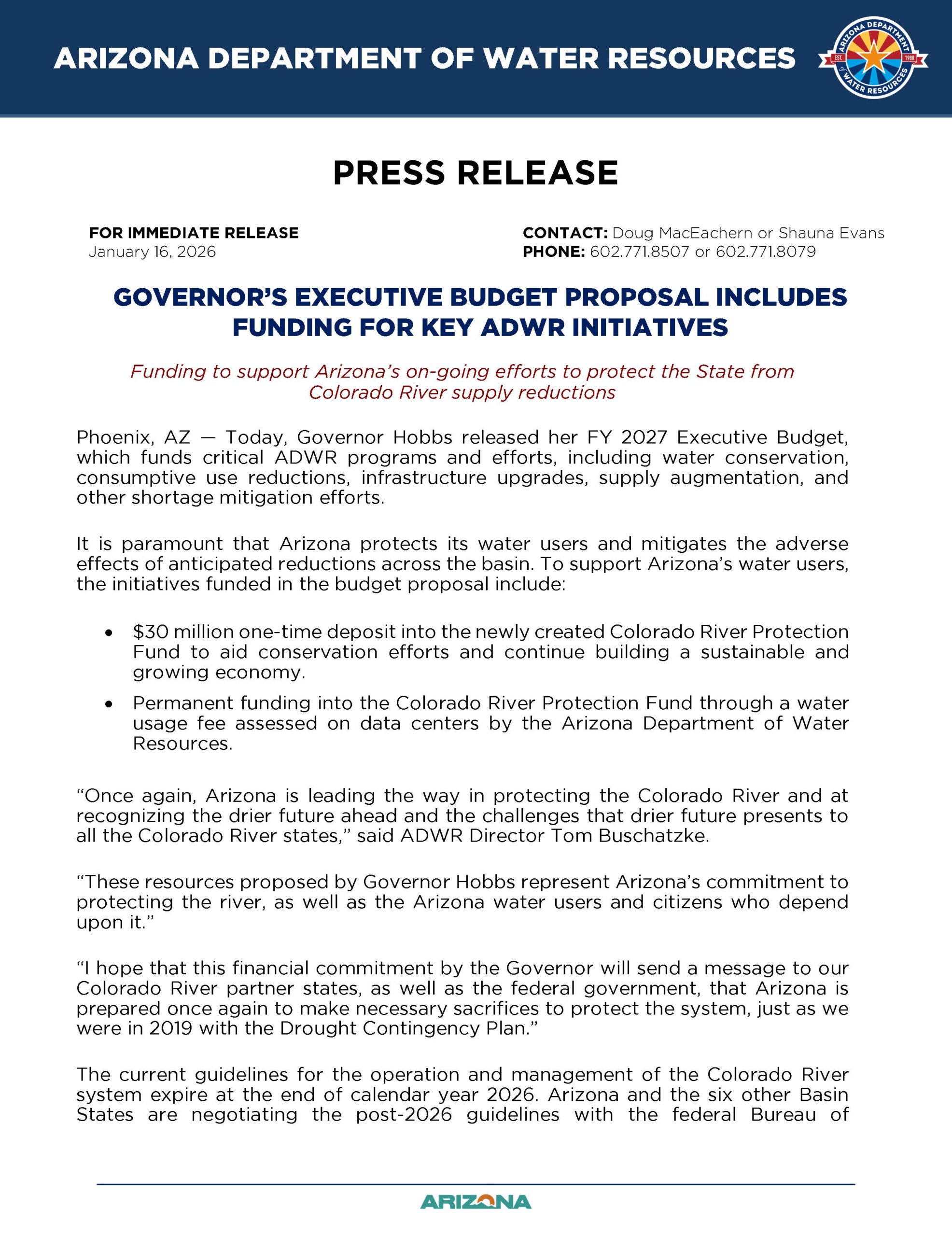
Arizona Budget Proposal Includes Major Funding for Colorado River Protection

On January 16, 2026, the Arizona Department of Water Resources (ADWR) shared details of Governor Katie Hobbs’ FY 2027 Executive Budget Proposal focused on preparing for long-term challenges facing the Colorado River. The plan includes new and expanded funding aimed at strengthening water security across Arizona in the face of ongoing Colorado River shortages.

Key points from the budget related to water:

  • $30 million one-time deposit into a newly created Colorado River Protection Fund to support conservation efforts and short-term drought response.
  • Permanent funding mechanism for that Protection Fund to be supported by a water usage fee on data centers.
  • Continued investment in water conservation, shortage mitigation, supply augmentation, and water infrastructure upgrades.
  • A recognition that current Colorado River operating rules expire at the end of 2026, with negotiations underway to create a sustainable long-term framework.

Source:
Arizona Water News https://azwaternews.com/2026/01/16/fy2027_execbudgetproposal/
(more…)

ATTENTION CRIT TRIBAL MEMBERS! 

The Colorado River Indian Tribes General Election will take place on Saturday, December 5, 2026.
Tribal Members who wish to vote by absentee ballot must complete and submit an Absentee Ballot Request Form to the CRIT Enrollment Department.


Absentee Ballot Request Deadline:

Friday, November 13, 2026, by 5:00 PM.

Completed forms may be submitted by fax, email, or mail to the CRIT Enrollment Department. All requests must be signed by the Tribal Member requesting the ballot.

Email: enrollment@crit-nsn.gov


Mailing Address:

CRIT Election Board

P.O. Box 670

Parker, AZ 85344

Please review the attached form for complete instructions and eligibility requirements.
ABSENTEE BALLOT REQUEST FORM

Your Voice Matters — Make Your Vote Count!

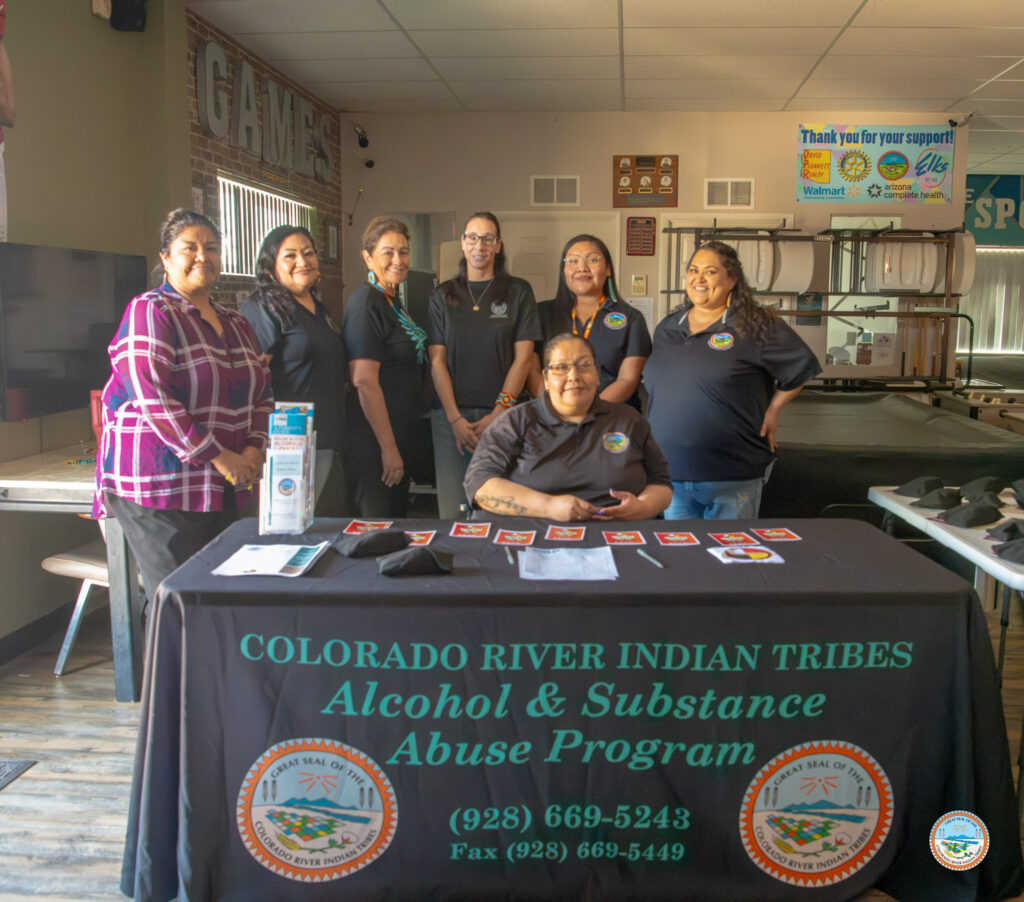
As the holidays approach, the Colorado River Indian Tribes Alcohol and Substance Abuse Program (ASAP) wants community members to know there is a place to turn when things get difficult. Throughout our interview, staff kept coming back to the same message: they are here to help, and they want people to reach out.
The holidays can bring people together, but staff understand that this time of year can also be tough. For someone struggling with alcohol or substance use, or working to maintain recovery, having support can matter. ASAP staff emphasized that they have tools and guidance to help people work through those challenges. If you are unsure where to begin, a conversation with their office can be a starting point.

Connecting with ASAP can also happen through its community events. The department has been active in bringing people together, and staff shared that there are more events to come. They encourage Tribal Members to watch for opportunities to participate, get to know the team and learn about the resources available. Follow CRIT ASAP on Facebook for upcoming events and program updates, or give the office a call to find out what is coming next.
That community involvement carries the same message as their work in the office: support is here throughout the year. Staff want Tribal Members to feel encouraged to ask questions and seek help when they need it. (more…)
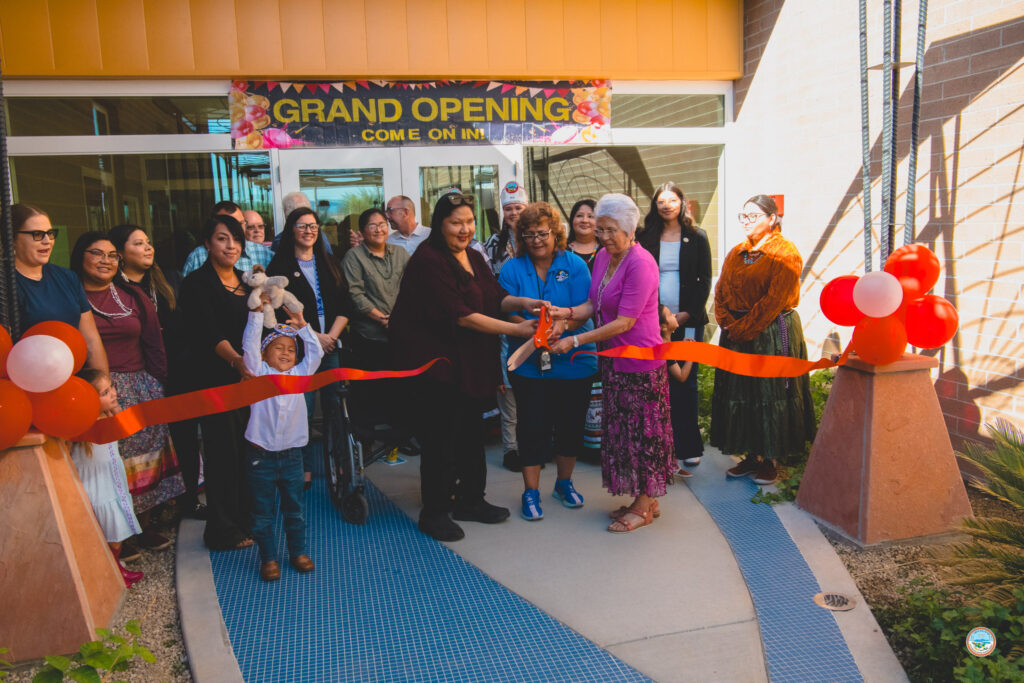
It has been a long time coming for CRIT Head Start. For many of us, Head Start holds a special place in our memories. We attended Head Start here in the valley as children, and years later, our own children have walked through its doors. The grand opening of the new facility was a meaningful moment to celebrate a program that has been part of so many families’ lives.

Community members gathered at the CRIT Head Start campus on Friday, Oct. 23, to celebrate the grand opening. With the theme “Building Futures, Opening Doors,” the celebration brought families, Tribal leaders and staff together to mark the occasion.

Acting Head Start Director Monica Rosnagle, CRIT Treasurer Anisa Patch and Chairwoman Amelia Flores cut the ribbon to officially celebrate the opening.

Tribal Council members in attendance included Chairwoman Flores, Secretary Josephine Tahbo, Treasurer Patch, Councilman Bill Beeson, Councilwoman Raeanne Patch, Councilwoman Tracey Quillen and Councilwoman Vanessa Welsh. Each shared a few words during the celebration.

The ceremony program included a welcome from Rosnagle, a blessing by Pastor Shawn Thompson and a guest speaker, Pastor Darryl Grissum. Miss CRIT Veronica Webb, Jr. Miss CRIT Jessica Scott and Little Miss CRIT Alura Rose Walrod introduced themselves and danced.

The celebration included performances representing the four Tribes of CRIT: the Mohave Singers and Dance Group, the Chemehuevi Red Foot Committee, the Hopi group and the Navajo group Tó Nílini Dá’ák’eh Dine’é, or River Field People. Head Start children also performed the ABC song. (more…)

An article by Diandra “Dee” Martinez
Assistant Film Festival Director of NatiVisions Film Festival & CRIT Tribal Member

NatiVisions is an Indigenous film festival that provides a platform for Indigenous people to tell and share their stories through film, art, books, music, fashion, and other forms of creative expression. The festival is intended to provide greater visibility for Indigenous voices and create opportunities for Native filmmakers, artists, musicians, storytellers, and other creatives to share their work with the community.

One of the primary purposes of NatiVisions is to remind audiences that Indigenous people are still here and that our voices, experiences, creativity, and stories deserve to be seen and heard. The festival is free and open to everyone, making Indigenous film and cultural programming accessible to the community and visitors. Attendees have opportunities to watch films, experience music and fashion, learn about Indigenous cultures, and come together as a community.

NatiVisions is held at the Bluewater Resort & Casino Theater in Parker, Arizona, within the Colorado River Indian Tribes (CRIT) community. The festival is held annually towards the end of September. This year’s festival took place September 23–26. NatiVisions is traditionally held toward the end of September because it coincides with Native American Days in Parker, Arizona. Holding the festival during this time allows NatiVisions to be part of a larger period of community gathering and cultural celebration. It provides another opportunity for community members and visitors to come together and celebrate Indigenous culture, creativity, storytelling, and traditions.
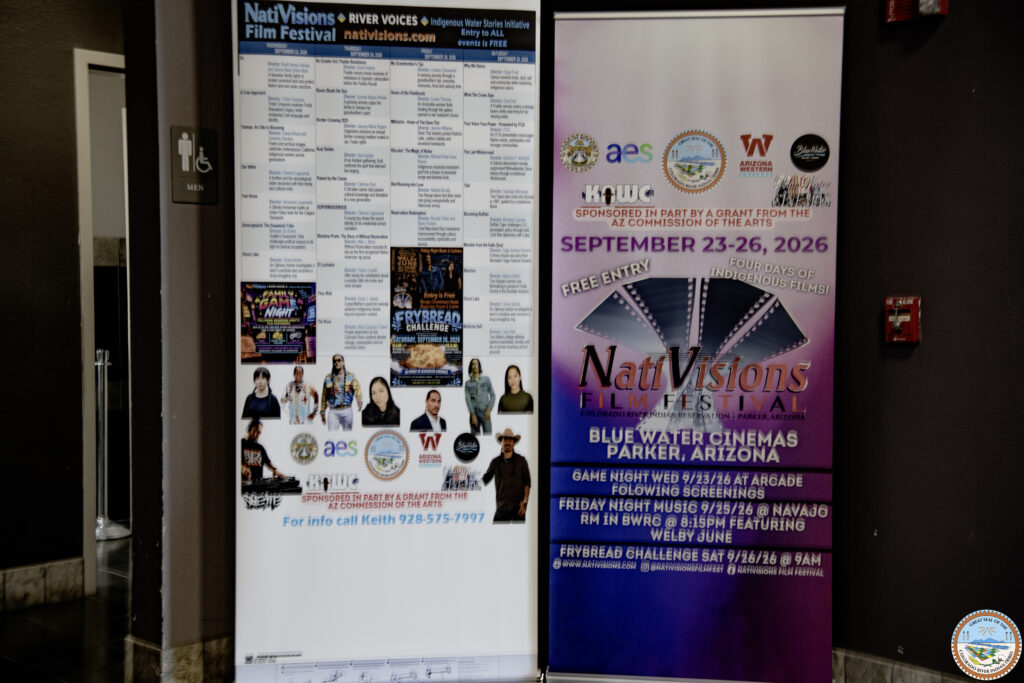
NatiVisions provides a free, educational, cultural, and family-friendly experience that brings people together through Indigenous storytelling and creativity. The festival serves a broad and diverse community centered around Indigenous peoples of the South-west while welcoming visitors from Arizona, California, and beyond. Because the festival is held within the CRIT reservation, it provides an accessible cultural space where Indigenous community members can see stories and experiences represented on screen.

The CRIT community includes members of the Mohave, Chemehuevi, Hopi, and Navajo tribes, while NatiVisions also welcomes filmmakers, artists, and attendees representing other Native nations. Festival participants and attendees include filmmakers, cultural leaders, artists, students, educators, youth, families, community members, and visitors. Non-Native attendees are also welcomed and have an opportunity to learn about Indigenous cultures and experiences through authentic storytelling created by Indigenous people. NatiVisions is more than watching films. The festival incorporates other activities and forms of cultural and creative expression, including music, fashion, art, and a frybread contest. (more…)