November 18, 2026 8:14 pm
CRIT Nation, Parker, AZ
November 18, 2026 8:14 pm
CRIT Nation, Parker, AZ

According to KTAR News, decisions being made about the future management of the Colorado River will have major consequences for Arizona’s water supply. State leaders say upcoming federal decisions on post-2026 river operations could determine how much water Arizona receives during future shortages.

The Colorado River supplies water to millions of people across the Southwest and supports agriculture, cities, and power generation. As negotiations among the seven basin states remain unresolved, federal officials may ultimately have to determine how water reductions are shared.

For CRIT and other Tribal Nations along the Colorado River, these decisions are especially important because new operating rules will guide how the river is managed for decades and could influence water deliveries, infrastructure planning, and long-term water security.

Source: https://ktar.com/watch/why-is-the-colorado-river-water-decision-so-important-for-arizona/019cb1b8-04a8-8008-fe65-539f29394f62/

According to 9News Denver, the seven Colorado River Basin states have missed key deadlines to reach a new agreement on how to manage the shrinking river. With negotiations stalled, the federal government may ultimately step in and set new operating rules.

The U.S. Department of the Interior has been working with the states to develop guidelines for managing Lake Mead and Lake Powell after 2026, when current shortage agreements expire. Without consensus among the states, federal officials could impose a plan to prevent reservoir levels from dropping to dangerously low levels.

For CRIT, federal involvement in Colorado River operations is significant because Tribal Nations are key stakeholders in the river system. Decisions made during this process could affect water allocations, infrastructure planning, and the long-term stability of the river that supports communities across the basin.

Source: https://www.9news.com/article/news/local/states-miss-colorado-river-deadlines-trump-administration-could-make-new-rules/73-d4a4f18c-a07e-4c3a-97d3-d587bfd3db89

(more…)

According to 12News (KPNX), Arizona leaders say the state is approaching a critical moment as Colorado River negotiations continue and water cutbacks remain likely. Officials described the situation as a crossroads, warning that the next few years will require difficult decisions about conservation, water use, and long-term planning.

The looming reductions stem from ongoing negotiations over post-2026 operating rules for the Colorado River, which will determine how water shortages are shared among the seven basin states. Arizona has already taken significant reductions under earlier shortage agreements, and additional cuts could affect cities, agriculture, and water providers across the state.

For CRIT and other Tribal Nations along the river, these discussions are important because future operating guidelines will shape how the Colorado River is managed for decades. Tribal water rights, infrastructure investments, and long-term planning will all be influenced by how states and the federal government resolve these negotiations.

Source: https://www.12news.com/video/news/politics/sunday-square-off/were-at-a-crossroads-water-cutbacks-looming-for-az/75-f1cfe83a-b724-42e9-9b6c-e7ae04a9a4a8

According to the Arizona Republic, scientists say the western United States may not simply be experiencing a drought but a long-term shift toward a drier climate known as “aridification.” Researchers say the region has effectively been in a 32-year drought, but climate patterns suggest the West could remain permanently drier than historical averages.

This shift is affecting the Colorado River Basin, where reservoirs like Lake Mead and Lake Powell remain far below historic levels despite occasional wet years. Scientists say warmer temperatures cause more water to evaporate and reduce snowpack that normally feeds the river.

For CRIT, this concept of aridification is important because it changes how water planning is approached. Instead of preparing for drought cycles followed by recovery, water managers may need to plan for a permanently smaller Colorado River supply.

Source: https://www.azcentral.com/story/news/local/arizona-environment/2026/03/02/arizona-32-year-drought-may-now-be-aridification/87954422007/

According to KJZZ, lawmakers introduced around 30 groundwater-related bills during the current Arizona legislative session, but most proposals do not directly focus on conservation. Instead, many of the bills address water development, transportation, or regulatory changes.

Arizona groundwater policy has become a growing concern as communities increasingly turn to underground aquifers to supplement shrinking Colorado River supplies. Some lawmakers and water experts argue stronger conservation policies are needed to protect these aquifers for future generations.

For CRIT and other Tribal communities, groundwater policy is significant because it influences regional water demand and long-term water sustainability across Arizona. As Colorado River supplies tighten, groundwater management decisions could shape how the state balances growth with water availability.

Source: https://www.kjzz.org/politics/2026-03-02/30-arizona-groundwater-bills-were-introduced-this-year-most-arent-aimed-at-conservation

(more…)

According to KJZZ News, environmental groups are warning of serious long-term impacts to the Colorado River system after negotiators missed another deadline to finalize future water management rules. Advocates say declining reservoir levels, ongoing drought, and delayed agreements could increase pressure on ecosystems, agriculture, and water supplies across the Southwest. The warnings highlight growing urgency for coordinated conservation and policy action. For CRIT, these discussions are important because federal decisions about river operations directly influence how tribal water rights are protected and how long-term water stability is maintained.

Source: KJZZ News — https://www.kjzz.org/politics/2026-02-19/environmental-groups-warn-of-dire-impacts-after-colorado-river-negotiators-miss-another-deadline

According to Nevada Public Radio, Colorado River negotiations continue to face challenges as states balance drought impacts, water demand, and competing priorities. Officials involved in the talks say progress has been uneven and that future agreements may require difficult compromises across the basin. Continued uncertainty highlights the complexity of managing the river under changing climate conditions. For CRIT, ongoing interstate negotiations remain important because federal and regional policy decisions directly affect how tribal water rights are recognized and protected.

Source: Nevada Public Radio — https://knpr.org/show/knprs-state-of-nevada/2026-02-20/nevadas-main-water-negotiator-talks-about-the-bumpy-road-ahead-in-the-colorado-river-discussions

According to Newsweek, recent data shows some improvement in Lake Mead water levels following storms and conservation efforts, offering cautious optimism for the Colorado River system. However, experts note that long-term drought conditions still pose significant challenges and continued conservation will remain essential. Reservoir levels remain a key factor in determining water deliveries across the basin. For CRIT, reservoir conditions remain important because federal operational decisions tied to storage levels directly affect how tribal water allocations are managed and protected.

Source: Newsweek — https://www.newsweek.com/lake-mead-water-levels-get-good-news-11557968


According to Arizona Water News, Arizona and its Lower Basin partners say they remain committed to finding common ground on new Colorado River operating rules despite stalled negotiations among the seven basin states. Officials emphasized continued collaboration with federal agencies and neighboring states to stabilize water supplies beyond 2026 as drought conditions persist. The effort reflects ongoing attempts to balance conservation, water demand, and long-term river sustainability. For CRIT, these negotiations remain important because federal and interstate agreements directly influence how tribal water rights are recognized and protected in future Colorado River management decisions.

Source: Arizona Water News — https://www.azwater.gov/news/articles/2026-02-19

According to the Navajo Times, federal officials are moving forward with developing new Colorado River operating guidelines even as state negotiations remain stalled. The Department of the Interior is continuing its environmental review process to prepare for post-2026 river management, highlighting the federal government’s role when states cannot reach consensus. Tribal consultation remains part of that process. For CRIT, federal involvement is significant because Colorado River policies shaped at the federal level directly affect tribal water rights, long-term planning, and regional water security.

Source: Navajo Times — https://navajotimes.com/reznews/federal-officials-move-forward-on-colorado-river-operating-rules-as-state-negotiations-stall/

According to ABC 15 Arizona, tribal nations along the Colorado River are among those with the most at stake as negotiations over future water allocations continue. Tribal leaders emphasize the importance of protecting established water rights while ensuring sustainable solutions to ongoing drought conditions. The article highlights how tribal participation is increasingly central in discussions about the river’s future. For CRIT, these conversations are especially important because tribal sovereignty and water rights remain critical factors in how Colorado River resources are managed across the basin. (more…)

According to CBS 5 Arizona’s Family, Arizona could face deeper Colorado River water cuts following missed negotiation deadlines, raising concerns about future water supply stability across the state. Officials say ongoing drought and reduced reservoir levels continue to challenge long-term planning efforts. These developments may lead to increased federal involvement in river management decisions. For CRIT, potential cutbacks are important because federal allocation decisions directly influence how tribal water rights are maintained and protected.

Source: CBS 5 Arizona’s Family — https://www.azfamily.com/2026/02/17/arizona-faces-major-colorado-river-water-cuts-deadline-passes/

According to the Colorado Sun, new forecasts suggest Lake Powell could reach critically low levels that threaten hydropower production and water deliveries if drought conditions persist. Reservoir storage plays a central role in determining how water is distributed across the Colorado River Basin. Experts say ongoing climate pressures and declining inflows continue to complicate long-term planning. For CRIT, reservoir conditions remain important because federal operational decisions tied to storage levels directly affect how tribal water allocations are managed and protected.

Source: Colorado Sun — https://coloradosun.com/2026/02/18/lake-powell-forecast-critical-lows-federal-study/

According to AZPM News, Colorado River basin states missed another federal deadline to reach agreement on future water reductions, increasing the likelihood of additional cutbacks across the Southwest. Officials warn that continued drought and declining reservoir levels could force tougher decisions about water allocation in the coming years. The missed deadline highlights growing uncertainty about long-term river management. For CRIT, potential water reductions and federal policy decisions directly influence how tribal water rights are protected and incorporated into basin planning.

Source: AZPM News — https://news.azpm.org/s/102728-arizona-and-western-states-miss-colorado-river-water-deadline-as-cuts-loom/

According to Newsweek, Lake Powell water levels could drop to critical levels sooner than expected, raising concerns about hydropower production and water deliveries across the Colorado River Basin. Experts say continued drought, reduced snowpack, and high demand are contributing to declining reservoir storage. These conditions add urgency to ongoing negotiations about future river operations. For CRIT, reservoir levels are important because federal decisions tied to storage conditions directly affect how tribal water allocations are managed and sustained.

Source: Newsweek — https://www.newsweek.com/lake-powell-water-could-drop-to-critical-levels-sooner-than-expected-11531274

According to Pinal Central, the Gila River Indian Community expressed concern over the lack of agreement among Colorado River basin states, noting the importance of tribal voices in ongoing water negotiations. Tribal leaders emphasized the need for sustainable solutions that recognize existing water rights while addressing long-term drought conditions. The statement highlights growing awareness of tribal participation in basin discussions. For CRIT, tribal engagement in Colorado River negotiations is significant because it reinforces the importance of protecting tribal sovereignty and water rights across the region.

Source: Pinal Central — https://www.pinalcentral.com/sacaton_central/gric-laments-lack-of-deal-over-colorado-river-water/article_cb91f461-07de-4f88-8d70-c3dec3b96c67.html

In the quiet valley of the Colorado River Indian Tribes (CRIT), once stood one of the largest Japanese American incarceration camps of World War II, the Poston War Relocation Center. Between 1942 and 1945, nearly 18,000 men, women, and children of Japanese ancestry were forced to live there.

This past weekend, the annual Poston Pilgrimage returned to the CRIT Reservation, drawing in the largest gathering to date. More than 100 visitors met at the CRIT Museum to honor those who have lost their lives while imprisoned at Poston. Starting the weekend off at Blue Water Casino was an introduction of the event with descendants of former incarceratees, Chairwoman Amelia Flores, Debbie Pettigrew, and Karen Harjo. Many of the adults who once lived in the camps have since passed on, leaving their children to share stories of life inside, memories that continue to move and teach new generations.

This year’s pilgrimage carries special meaning with the arrival of the Ireichō, also known as The Book of Names.

The Ireichō is part of the Irei: National Monument for the WWII Japanese American Incarceration, a national project dedicated to honoring more than 125,000 people of the Japanese ancestry who were unjustly imprisoned during the war.

For the first time, every individual’s name has been compiled into one permanent record. The Ireichō follows the Japanese Buddhist tradition of kakochō, “The Book of the Past,” in which the names of those who have passed are written to be remembered and respected.
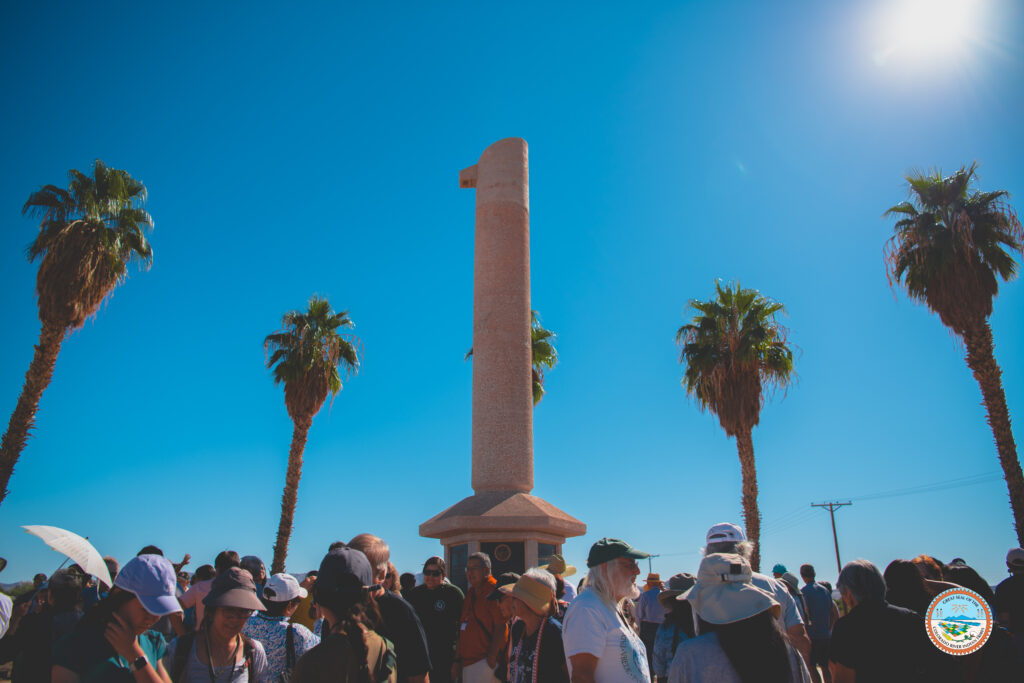
Unveiled at the Japanese American National Museum, the Ireichō invites visitors to place a red hank (stamp) beneath each name as an act of remembrance. The book has since traveled to historic incarceration sites across the country, allowing families, descendants, and visitors to honor those who lived through that time in history.

The day began with a blessing from Duncan Ryūken Williams, the Ireichō’s co-founder and Soto Zen Buddhist priest.

The Ase S’maav Parker Boys and the River Tribes United Dance Group shared songs and danced for the descendants of Poston’s former residents. The ceremony closed with a memorable moment as children and families were invited to stamp the Book of Names.

Each year, the Poston Pilgrimage brings together descendants, historians, and community members returning to the monument to honor those who lived behind the barbed wire and ensures their stories continue to be told. What makes Poston unique is its shared history between the Japanese American community and the tribal nations whose land was used for the camp. Built on CRIT lands under federal direction, the camp became a symbol of resilience and reflection, a reminder of the injustices endured and strength that followed. (more…)
On Friday, October 3, 2025, the Colorado River Indian Tribes kicked off Native American Days with a lively celebration at Manataba Park under the tin shed, bringing together community members, families, and visitors for a day full of culture, food, games, and laughter.

The event opened with Tribal Council presentations, led by Councilwoman Raeanne Patch, Councilman Billy Beeson, Councilman Tommy Drennan, and Treasurer Anisa Patch. Their presence set the tone for a meaningful day of honoring culture and community. Following a blessing by Carol Claw Hammond, the crowd gathered for a hearty lunch of pitted meat, tortillas, macaroni salad, and beans. A feast that kept everyone smiling and full throughout the day.

Vendors brought extra flavor to the celebration with NDN Joe, who kept the crowd refreshed with his famous beverages, while Carrie Burns offered custom cups, popcorn, and sweet treats. Terri Lynn’s snow cones and piccadillys were a big hit, especially under the warm afternoon sun. Visitors also enjoyed the Hopi booth, which raffled off beautiful jewelry, and the Chemehuevi booth, which shared crafts to enjoy and make. The Regional Center for Border Health joined in, connecting with the community and offering helpful resources.
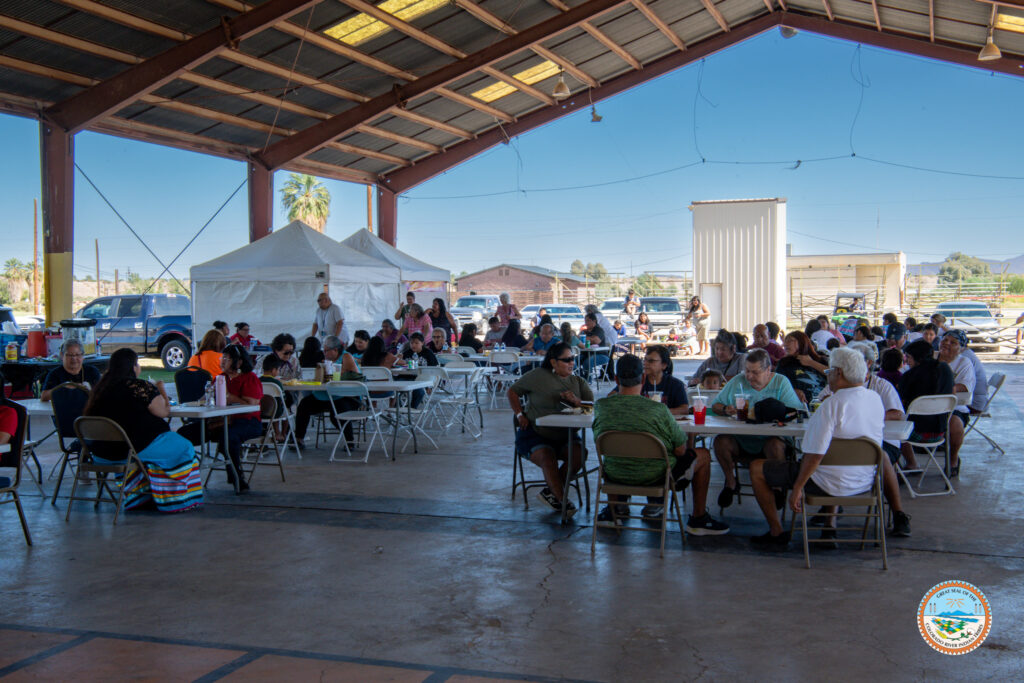
Throughout the day, families enjoyed a wide variety of activities. Native language bingo quickly became a favorite, teaching words from the four tribal languages—Mohave, Chemehuevi, Hopi, and Navajo—in a fun and interactive way. Smiles and laughter filled the air as people competed for prizes while learning more about their heritage.

The regalia presentations were a true highlight of the afternoon. Toddlers charmed the crowd in their tiny regalia while older youth and adults showcased beautifully crafted dresses and traditional wear. The pride and joy that radiated from each participant created a powerful reminder of the beauty and strength of tradition. (more…)