November 25, 2026 3:23 am
CRIT Nation, Parker, AZ
November 25, 2026 3:23 am
CRIT Nation, Parker, AZ

The Bureau of Indian Affairs (BIA) has proposed increasing Operation and Maintenance (O&M) rates for the delivery of water from $85 to $93 per acre. Over the past three years, CRIT and local farmers have experienced water delivery cost increases of more than 20%, while services have remained the same or declined due to the federal government’s cuts in staffing and the poor condition of Colorado River Indian Irrigation Project.

Madam Chairwoman Flores and the CRIT Tribal Council opposes this proposed rate increase and remains committed to strengthening Tribal sovereignty. That includes advocating for fair, transparent, and reliable O&M water delivery rates for our farmers, to preserve the economic health and wellbeing of the Tribes. We have listened to the concerns raised by the CRIT community and our farmers, and will continue working to protect our land, our water, and our future.

Get Involved: Farmers and community members who would like more information or who want to provide input on the proposed rate increase are encouraged to participate by sending a comment letter. Written comments may be submitted to: comments@bia.gov. Use the
subject line: Rate Adjustments for Indian Projects.

Contact: Leslie Underwood, Program Specialist, BIA Division of Water and Power
Office of Trust Services

Comment deadline: May 22, 2026

Learn more:

Letter from CRIT to BIA Opposing the Proposed 2027 O&M Rate Increase:  CRIT Letter

Information from BIA re: the Proposed 2027 O&M Rate Increase: https://www.federalregister.gov/documents/2026/03/23/2026-05577/rate-adjustments-for-indian-irrigation-projects

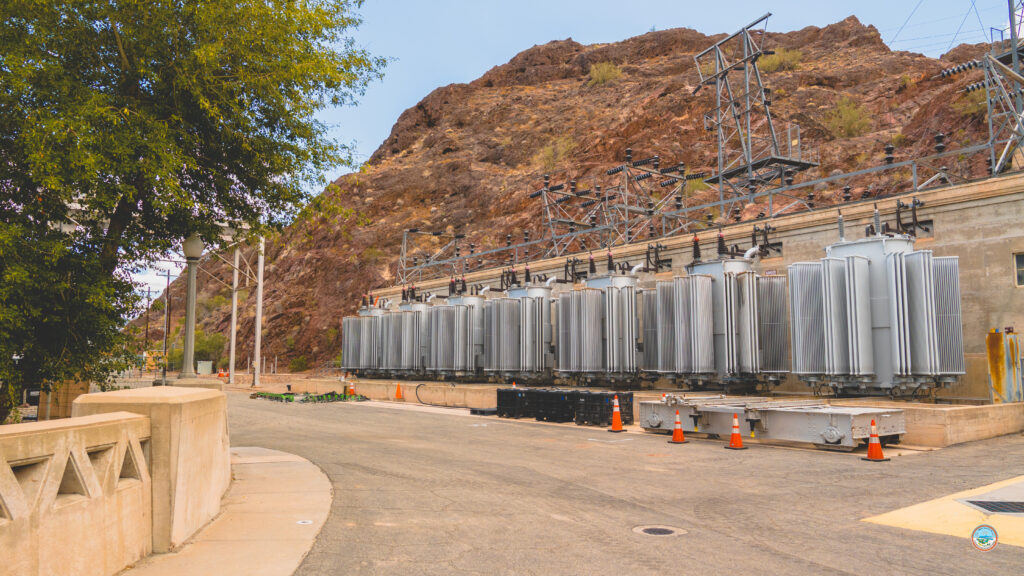
CRIT Media was formally invited to tour the Metropolitan Water District (MWD) facility in Parker, Arizona, alongside local business owners from Lake Havasu, Parker Area Chamber of Commerce, representatives, and local law enforcement agencies. The tour provided an inside look at the facility’s operations, including how water is stored and managed along the Colorado River system. Guests were also able to explore historic buildings constructed in the early 1930s, many of which still feature the nostalgic architecture and craftsmanship of that era.

Throughout the visit, MWD staff shared their passion for the work they do and the long history the district has in the Parker area. It is no secret that Colorado River Indian Tribes and MWD have maintained a longstanding relationship due to their close proximity and shared connection to the Colorado River. Employees like Gina Chavez, who was born and raised in Parker and grew up on MWD property, spoke about the importance of community outreach, local involvement, and helping create employment opportunities for residents in the area.

The tour highlighted not only the scale and complexity of water operations in the region, but also the deep local ties and history that continue to connect Parker, the Colorado River, and the people who work to manage one of the Southwest’s most important resources.

(more…)

The Missing and Murdered Indigenous Women and People (MMIWP) movement brings awareness to the ongoing crisis of Indigenous people who have gone missing or been murdered across Tribal communities throughout North America. For decades, Indigenous families and advocates have called attention to the lack of media coverage, jurisdictional challenges, and limited resources that have contributed to many of these cases going unsolved or overlooked.

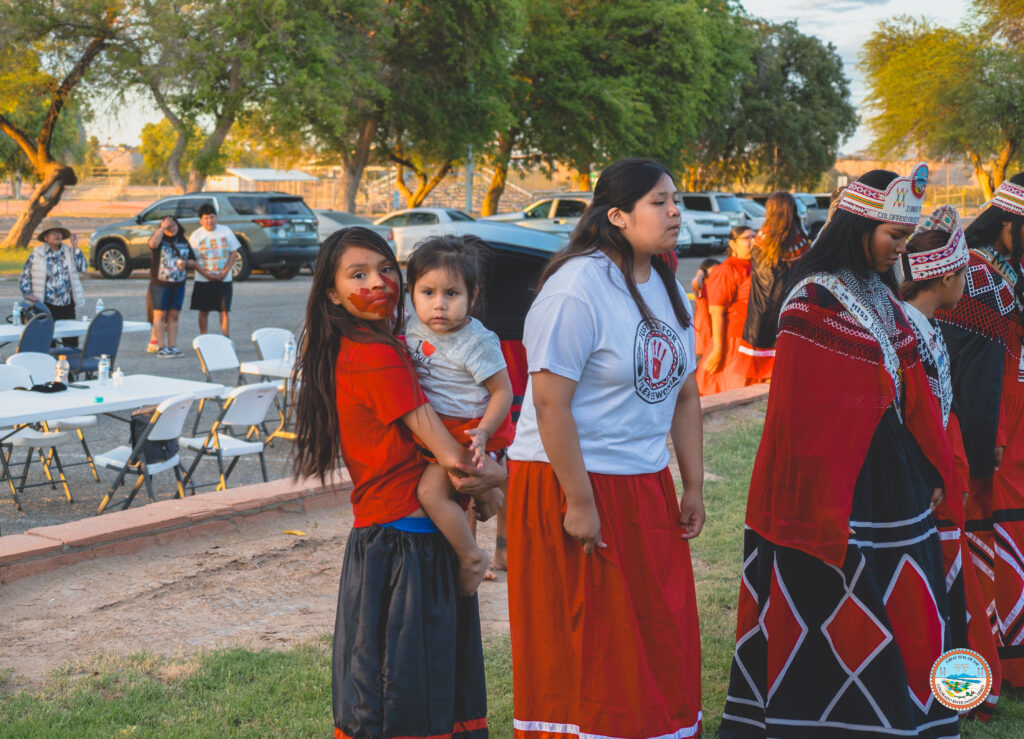
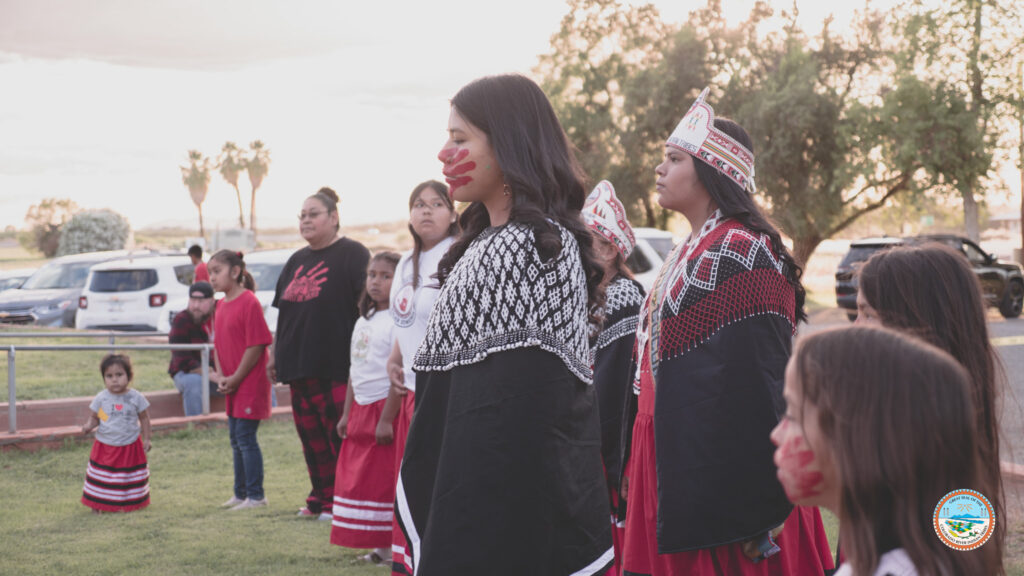
On Tuesday, May 5th, 2026 CRIT hosted an event honoring MMIWP, bringing the community together in remembrance, reflection, and support for affected families.

Several speakers courageously shared the stories of loved ones from the reservation who have gone missing or were tragically murdered and are not forgotten. Young girls spoke about the heartbreaking loss of their father, siblings shared memories of missing sisters, mothers, and grandparents.

A special thank you to Councilman Tommy Drennan for organizing the event with Janice Patch and other organizers of this very important day for CRIT and all of Indian Country.

~ Proposal adds up to a million-acre-feet of conservation on top of the 1.25 million-acre-feet annual Lower Basin reductions proposed earlier ~

The Lower Basin States of Arizona, California, and Nevada have advanced a plan to stabilize the Colorado River through 2028, responding to declining reservoir levels, record low inflows to Lake Powell, and increasing risk of reaching critical elevations at both Lake Powell and Lake Mead.

Earlier in the post-2026 process, the Lower Basin took a significant step by proposing 1.25 million acre-feet in annual reductions, with an additional 250,000 acre-feet from Mexico, totaling approximately 1.5 million acre-feet per year.

This proposal builds on that foundation with an expanded system conservation program across the Lower Basin with an estimated contribution of at least 700,000 acre-feet. In total, the plan identifies up to 3.2 million acre-feet of water savings to the system through 2028.

The proposal is an integrated package addressing Lake Powell releases, Upper Initial Unit operations, Lower Basin reductions, additional conservation, use of Intentionally Created Surplus, and system infrastructure improvements. Lower Basin contributions are contingent on these coordinated operations to ensure system stability as well as appropriate funding.
“With this proposal, the Lower Basin is putting forth real action to stabilize water supply along the Colorado River. We’re putting forward additional measurable water contributions for the system. Without that, the system will continue to decline,” said JB Hamby “This proposal is about moving from ideas to implementation,” said John Entsminger. “It pairs real measurable water contributions with sensible dry-condition operations at Lake Powell and across the Upper Initial Units. Now is the time for every water user in the Basin to double down on water conservation as we face historically dry hydrology.”

“This proposal reflects the creativity and commitment of water users across the Lower Basin who continue to step forward with solutions that support the river,” said Tom Buschatzke. “We have shown that collaborative, voluntary efforts and reductions that are certain can produce meaningful water savings.” (more…)