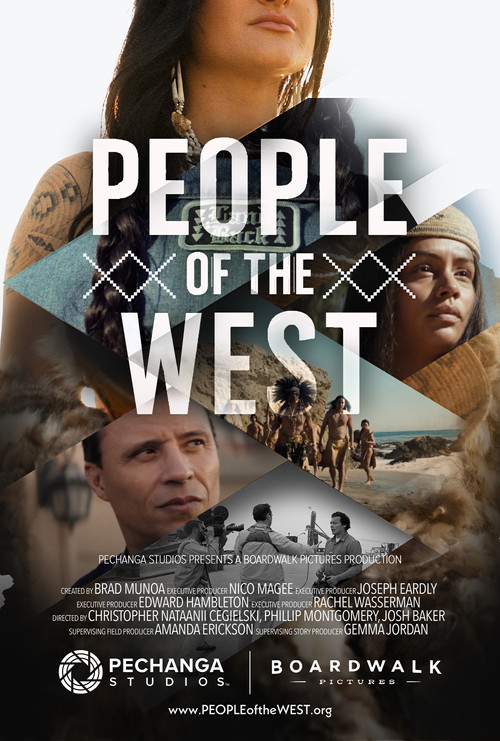
So much about the California history as we know is rooted in the brighter and louder chapters of a land’s appropriation over time in a culturally evolving world. What we perceive as an ingratiated time in a lands’ growth and prosperity into the generations that came before and followed after, actually hides a deeper indigenous history of a time scorned by the European colonization and brutal genocides that left entire populations nearly decimated. That’s a history – much like all of indigenous people’s footprint – left unaddressed and buried in the backgrounds of the Spanish take over with the Doctrine of Discovery (any non-Christian land Spain “discovered” was divine right to claim in name of the crown) and later the Americana influence of Manifest Destiny carried out West that tore apart Indian communities in the name of “societal enlightenment”. What is rarely addressed is how much of the history is fully acknowledged and upheld in the eyes of American culture and the Indigenous influence over how we uphold our representation and history. Entire nations of tribes all with their own lands and peoples and communities heavily affected and thriving today are all given the spotlight of documented and oratorial accounts of knowledge, history, culture, and reacknowledgment of a heavy stain in California’s early established history in the docu-series “People of the West” (2025) – by creator and Executive Producer Brad Munoa and Executive Producer Nicolas Magee.
The series, divided into 10 episodes, charters and follows a timeline of pre-colonial contact up into the present day of the California tribes preserving their heritage and generational impact into a bright future ahead. Each episode follows a time period of quarter centuries from the first contacts of the Spanish to the shores of Kumeyaay Ipai land, the Christian missions that affected the Ohlone of the 1600s, battles of the Ahwahneechee and the creation of reservations and boarding schools with the Paiute of the 1800-1900s, into the modern exploitation of Indigenous lives and reinvigoration of a proud people, including the Chumash and Yurok fighting for their human and cultural rights to never be wiped off the maps into the 21st century. We get a documentary series that’s covering all of an established timeline in the plights and survival of an Indigenous peoples seen in ways never before imagined. The filmmaking on display with episodic nature is concise and expansive in it’s pacing and screen time devoted to the tribal interviewees ranging from communities leaders to cultural scholars working in their own fields to voice the personal and cultural backgrounds of each of their respective tribes/nations. We get re-enactment scenes of the tribal communities facing up to and being challenged and exploited by European contact, where the Native actors speak English against the others languages as (what an open text before episodes states) “…a reflection of forced assimilation rather than cultural authenticity”. The editing is shaped around the narration of those interviewed matched with the through line story of the tribes highlighted with family units and individuals who empower themselves and those around them with the resilience against colonizer tactics. Everything that unfolds on each episode enraptures and pulls audiences into the time periods and allows for a storytelling medium matched with a high grade cinematic lens and production to showcase the eras and peoples as we’re to be properly represented and portrayed on screen. This series doesn’t shy away or try to coddle the expectations of today’s way of research and events that were seriously brutal and devastating to an effect that speaks throughout all nations residing and homes to the lands. But to the darkness that was the past, there is a bright light of progression and evolution at hand seen in the ways the filmmakers/producers/interviewees are able to recall and talk insightfully about what we now know as our collective knowledge and history-defining efforts of carrying on stronger and wiser into our future. “Peoples of the West” is a shining example of docu-series excellence and an Indigenous media representation that will be one for the books of our cultural and human history.4/4 Seals !