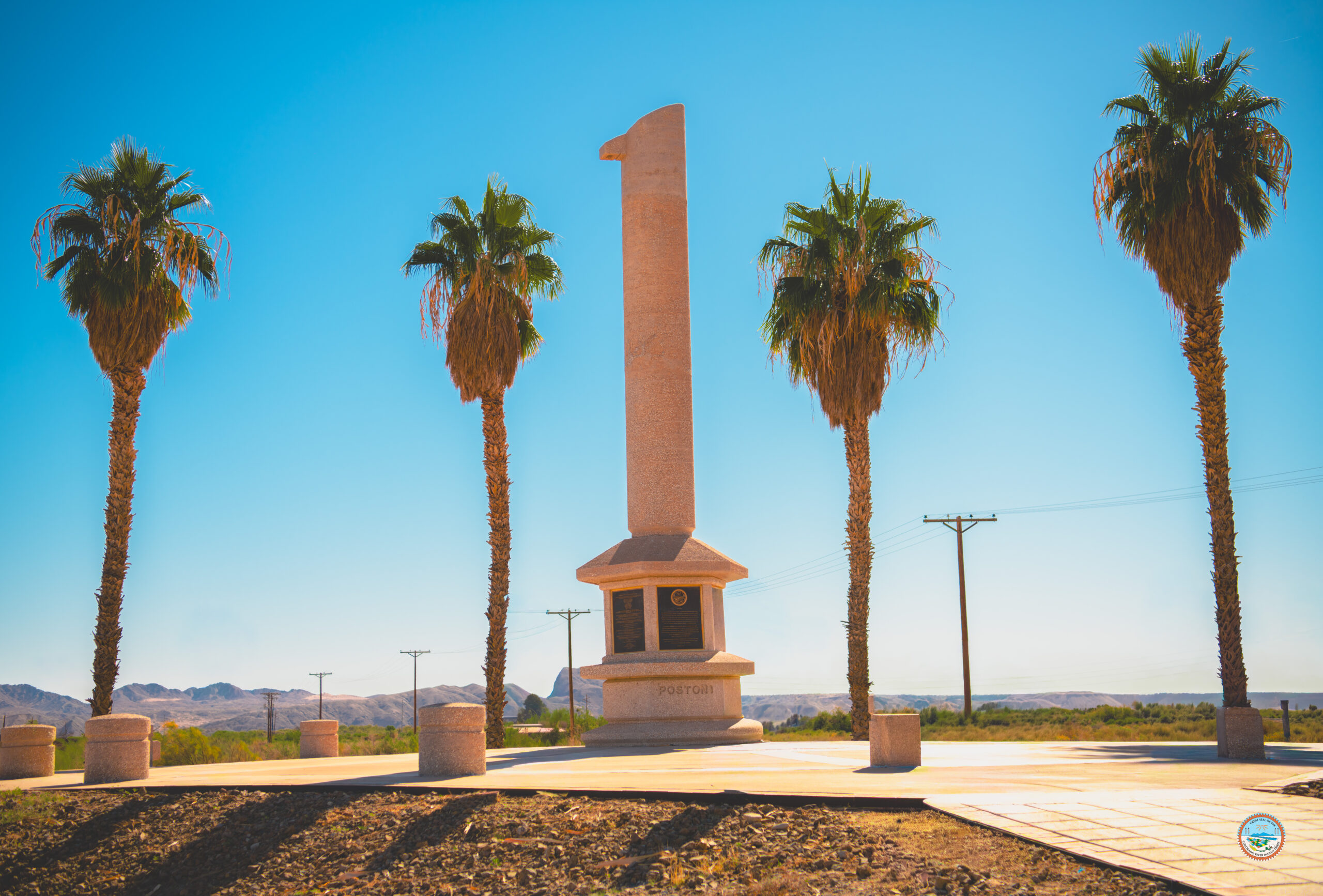
During the mid-1800s, as the American Southwest was rapidly changing, Charles Debrille Poston emerged as one of the key figures helping shape the future of Arizona. A strong promoter of the region and its opportunities, Poston would later earn the nickname “Father of Arizona” for his efforts to establish Arizona as its own territory.
Poston was born on April 20, 1825, in Kentucky. Like many Americans of his time, he moved west in search of opportunity as new lands opened following the Gadsden Purchase of 1853. He soon became involved in mining ventures and settlement efforts in southern Arizona, particularly around the community of Tubac. His work promoting the region helped bring national attention to Arizona’s potential during a time when the area was still largely considered a frontier.
When the Arizona Territory was officially created in 1863, Poston was appointed Superintendent of Indian Affairs for the territory, a position that required him to travel throughout Arizona and meet with tribal leaders across the region. His duties frequently brought him to the lower Colorado River, an important transportation corridor that connected Arizona with California and Nevada.
During these travels, Poston visited areas along the river near present-day Parker, where Native communities had lived for generations. The Colorado River served as a lifeline for tribes of the region, supporting agriculture, trade, and daily life long before American settlers arrived. By the early 1860s, however, the arrival of miners, settlers, and military expeditions was beginning to reshape the Southwest and create new challenges for Native communities.
Among the tribal leaders working to navigate these changes was Mohave leader Chief Irataba, known for his diplomacy and efforts to work with federal officials while protecting his people and their homeland. Territorial leaders like Poston met with tribal representatives as the United States government considered how to organize the region and respond to increasing pressure on tribal lands.
These discussions contributed to the creation of a reservation along the lower Colorado River. On March 3, 1865, President Abraham Lincoln issued an executive order establishing the Colorado River Indian Reservation, setting aside land along the river for Native tribes whose history and culture were deeply connected to the area.
Although Charles D. Poston’s work is often associated with Arizona’s early political development, his name also remains on the landscape today. The community of Poston, Arizona, located near the Colorado River Indian Reservation, was named in recognition of his influence during the territorial period and his involvement in federal efforts across the region.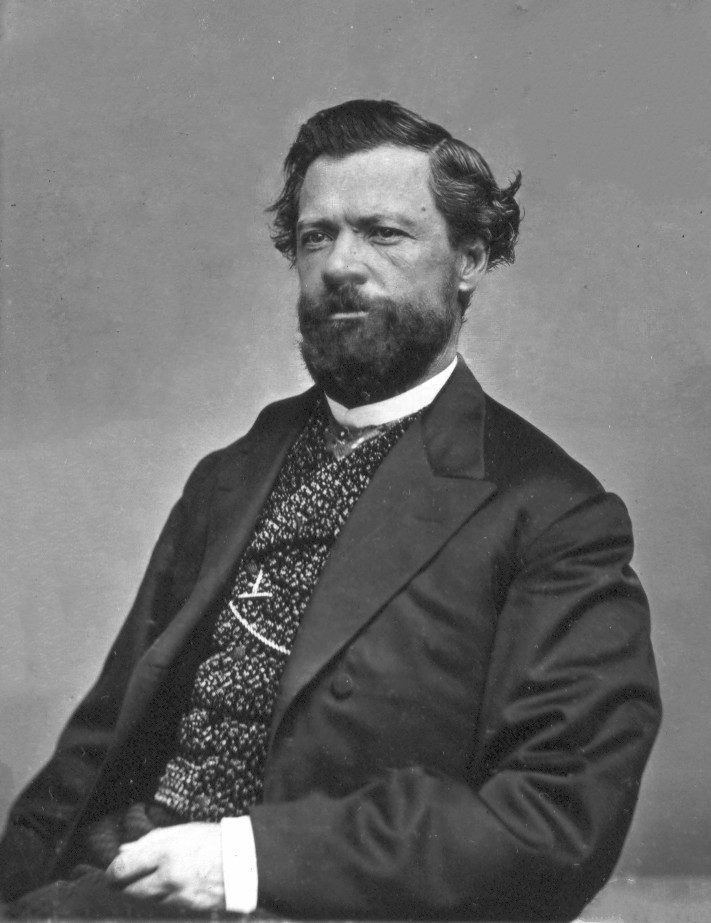
Decades later, during World War II, the federal government established what became known as the Poston War Relocation Center on the reservation. The site, used to detain Japanese Americans between 1942 and 1945, took its name from the existing community rather than directly from Poston himself. Today, the name “Poston” reflects multiple layers of history, from Arizona’s early territorial years to the experiences that unfolded on CRIT lands during the war.
Over time, the Colorado River Indian Reservation became home to the Mohave, Chemehuevi, Hopi, and Navajo peoples and remains the homeland of the Colorado River Indian Tribes today. The river that sustained these communities for generations continues to hold cultural, historical, and economic importance for the tribes who live along its banks.
The story of Charles D. Poston in the Colorado River region is tied not only to the formation of Arizona’s territorial government, but also to the lasting history of the land itself. From early negotiations along the river to the naming of Poston and the events that followed, this history remains part of the broader story of the Colorado River Indian Tribes and their connection to the river.
Article written by CRIT Media Reporter Ariana Romero
Sources
Arizona Historical Society – Charles Debrille Poston biography
Arizona Memory Project – Historical archives on Charles D. Poston
U.S. House of Representatives History Office – Charles Debrille Poston
National Park Service – Poston War Relocation Center history
Densho – Poston incarceration site overview