
CRIT Media was formally invited to tour the Metropolitan Water District (MWD) facility in Parker, Arizona, alongside local business owners from Lake Havasu, Parker Area Chamber of Commerce, representatives, and local law enforcement agencies. The tour provided an inside look at the facility’s operations, including how water is stored and managed along the Colorado River system. Guests were also able to explore historic buildings constructed in the early 1930s, many of which still feature the nostalgic architecture and craftsmanship of that era.
Throughout the visit, MWD staff shared their passion for the work they do and the long history the district has in the Parker area. It is no secret that Colorado River Indian Tribes and MWD have maintained a longstanding relationship due to their close proximity and shared connection to the Colorado River. Employees like Gina Chavez, who was born and raised in Parker and grew up on MWD property, spoke about the importance of community outreach, local involvement, and helping create employment opportunities for residents in the area.
The tour highlighted not only the scale and complexity of water operations in the region, but also the deep local ties and history that continue to connect Parker, the Colorado River, and the people who work to manage one of the Southwest’s most important resources.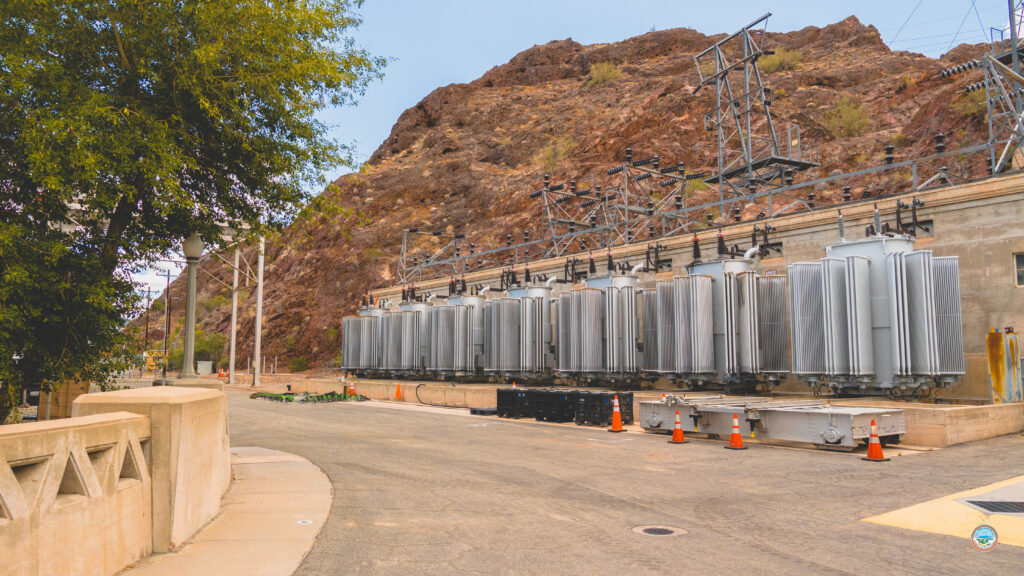
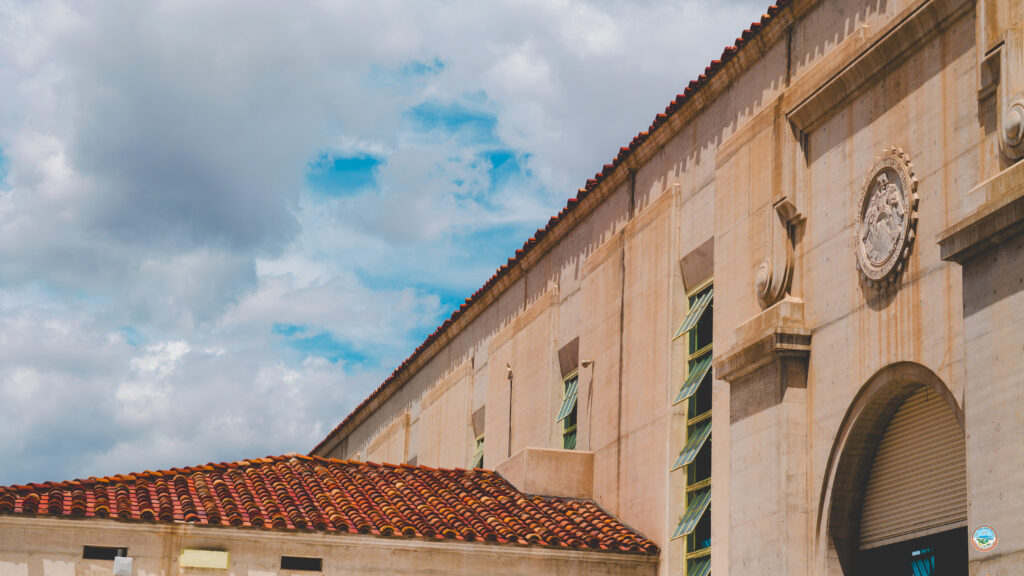
The Metropolitan Water District of Southern California was originally formed in 1928 to help secure a reliable water supply for the rapidly growing cities of Southern California. Today, MWD delivers water to nearly 19 million people across the region through a vast network of aqueducts, reservoirs, pumping plants, and pipelines. One of the agency’s most important pieces of infrastructure is the Colorado River Aqueduct, which transports Colorado River water from near Parker and Lake Havasu across the desert into Southern California communities.
Because of its major role along the Colorado River, MWD has remained one of the most influential water agencies in the western United States and an important participant in ongoing discussions regarding Colorado River water management, conservation, infrastructure, and future water use throughout the Lower Basin.
At the same time, the relationship between MWD and CRIT also reflects the larger and often complicated history of Colorado River water use throughout the Southwest. As one of the senior-most water rights holders on the Colorado River, Colorado River Indian Tribes has long existed alongside major water users and agencies that benefit from river water flowing through and adjacent to Tribal homelands. While partnerships and regional cooperation remain important, the history of the river also continues to raise broader conversations surrounding Tribal sovereignty, historic water access, infrastructure inequities, and the balance between urban growth and the rights of Indigenous communities whose relationship with the river stretches back generations.
Article & Photos by CRIT Media Director Megan Diaz Easley