September 12, 2026 2:26 am
CRIT Nation, Parker, AZ
September 12, 2026 2:26 am
CRIT Nation, Parker, AZ

Enrollment is now open for the Arizona Master Irrigators Program, a collaborative effort by the Agribusiness & Water Council of Arizona, University of Arizona College of Agriculture, Life & Environmental Sciences, and Cooperative Extension Services. This program covers a wide range of irrigation and agriculture-focused topics, including soil, water and plant relationships, calculations, canal and ditch water distribution, irrigation practices, pumps and flow systems, fertility, food safety, field management, and safety leadership. 💧🌱

Courses will be offered in both English and Spanish, with translation technology available for students to take home. Those interested in participating should submit their affiliation, contact information, and completed application.

For more information, visit www.agribusinessarizona.org or contact the Agribusiness & Water Council of Arizona at (480) 558-5301 or Stephanie@agribusinessarizona.org


 

The Colorado River Basin is facing another warning sign, as experts suggest that another dry winter could push the system closer to a serious storage crash. Recent reports indicate that the river’s future is being shaped by shrinking reservoir levels, uncertain runoff, growing demand, city-level water planning, and the need for better information about who depends on the river and how much water is actually available.

Inside Climate News reported that Colorado River experts are warning of “devastating consequences” if the Basin experiences another dry winter. The warning comes after record-low snowpack across parts of the Colorado River Basin and continued low water levels at Lake Powell. According to the report, if the 2027 water year looks similar to one of the driest years since 2000, the system could overuse the river’s natural flow by millions of acre-feet, putting Lake Mead and Lake Powell dangerously close to critical operating levels.

That matters because Lake Mead and Lake Powell are not just large reservoirs. They are the main storage system for the Colorado River. They help move water downstream, support hydropower generation, protect against dry years, and serve cities, farms, tribes, ecosystems, and industries throughout the West. If those reservoirs continue to fall, the river system becomes harder to manage, and federal agencies may have fewer options to protect both water deliveries and infrastructure.

Experts also warned that even a wet winter would not fully solve the problem. A strong snow year could temporarily refill part of the system, but without long-term reductions in water use, the reservoirs could return to today’s low levels within a short period of time. This shows that the Colorado River crisis is not only about one dry year or one bad snowpack. It is about a long-term imbalance between how much water the river produces and how much water the region has planned to use.

As Arizona cities get ready for less Colorado River water, a heads-up is in order. The Arizona Municipal Water Users Association mentioned that while the final call hasn’t been made, the federal government suggests that Arizona, California, and Nevada might need to use a lot less Colorado River water to keep the river’s infrastructure safe from getting worse. AMWUA pointed out that Arizona might be hit first because the Central Arizona Project, which brings Colorado River water to Phoenix and Tucson, gets priority lower than other users.

For Phoenix-area cities, this means we can’t just rely on the Colorado River to always have enough water. AMWUA said cities are already stepping up by investing in long-term water security, conservation, and infrastructure. The takeaway is clear: a river shortage doesn’t automatically mean a tap shortage, but to avoid that, we need to plan, invest, and get everyone involved.

Other Arizona communities are also figuring out what less water might mean for them. San Tan Sun News reported that Chandler is looking at how reduced water supplies could affect them. This kind of local planning is becoming more crucial as cities across Arizona get ready for a future where Colorado River deliveries might be smaller, cost more, or less dependable. Water cuts that used to seem far off are now being talked about in city budgets, plans for buildings, and conservation efforts.

Water managers and reporters are also starting to question some of the standard figures we hear about the Colorado River. KNAU mentioned that the common estimate of nearly 40 million people depending on the Colorado River might not be spot-on. Water policy experts pointed out that it’s tough to pin down the exact number because people use the term “Colorado River water” in different ways. Some only count the main river, while others include tributaries, groundwater, service areas, and growing communities in Mexico.

This uncertainty is important because how many people there are can affect who has the power, how much money gets allocated, and how everyone understands the situation. If decision-makers don’t have clear numbers on how many people use the river, how much water they’re using, and how much farmland depends on it, it becomes harder to make fair and accurate choices. KNAU also noted that tribal water rights add another layer of uncertainty because some tribal rights in the Basin aren’t recognized or measured.

Water quality is also a key part of Arizona’s water discussion. Arizona’s Family reported that Gov. Katie Hobbs signed a water quality bill as nitrates keep being a problem in the waterways. While this is separate from planning for the Colorado River shortage, it shows that Arizona’s water issues aren’t just about having enough water. Communities need to also take care of water quality, treatment, infrastructure, and public health as the pressure on water systems gets higher.

Weather is another thing to keep an eye on as Arizona gets ready for summer heat and the monsoon season. Triple-digit temperatures make us use more water, especially for homes, gardens, and outside activities. While summer storms can give us a little break, they don’t replace the need for winter snowpack in the Rocky Mountains, which is what feeds most of the Colorado River system. Short bursts of rain might help local conditions, but they can’t fully fill Lake Mead and Lake Powell or fix the long-term shortage problems. (more…)

The Colorado River Basin is entering another critical stretch as scientists, cities, water managers, and federal agencies warn that the system is still under serious pressure. Recent reports show that the crisis is not only about how much water is left in Lake Mead and Lake Powell, but also how accurately the river can be forecast, how fast states can reduce use, how hydropower will be affected, and how cities and industries continue to plan for growth in a shrinking water future.

A new Arizona State University study is looking to improve how water managers forecast Colorado River supplies. KJZZ reported that ASU researchers are using satellite data to build more accurate models of the river by tracking not only river flows, but also the water held in snow and soil across the Basin. The research is being developed with the Central Arizona Project, which delivers Colorado River water to the Phoenix and Tucson areas.

The new satellite work shows how water planning is becoming more technical as the river becomes less predictable. In the past, snowpack and streamflow measurements helped water managers estimate what the year might look like. But drought, hotter temperatures, and changing runoff patterns have made those forecasts harder. If agencies can better understand how much water is held in snow, soil, and river systems, they may be able to make better decisions before conditions become more severe.

The need for better planning is urgent because water storage across the Basin continues to decline. The University of Colorado Boulder’s Getches-Wilkinson Center reported that stored water reserves in the Colorado River system are still falling because overall water use remains out of balance with the river’s natural supply. The report warned that another dry year could bring the system dangerously close to a “crash,” meaning reservoirs could lose much of their ability to provide the reliable water supply they were built to support. Even a wet year, according to the report, would only provide temporary relief without major reductions in water use across the Basin.

This warning is important because Lake Mead and Lake Powell are more than storage reservoirs. They are the backbone of the Colorado River system. They help deliver water, generate hydropower, protect against dry years, and support cities, tribes, agriculture, and ecosystems across the West. When storage falls too low, the entire system becomes harder to manage, and emergency actions in one part of the Basin can create new problems in another.

The Upper Basin is also feeling the effects of a difficult water year. Denver7 reported that Colorado’s drought is not over despite recent rainfall. Colorado State Climatologist Russ Schumacher said the state’s mountain snowpack was the worst recorded since snowpack measurements began, and that poor snowpack and early melting will likely keep river flows low through the summer. The report noted that agriculture, recreation, wildfire risk, and municipal water supplies could all feel the effects, especially in July and August when irrigation demand is high.

This matters for the entire Colorado River system because much of the river begins as snow in the Rocky Mountains. Summer storms may help in some areas, but they cannot fully replace a weak winter snowpack. When less snow reaches the river, less water moves downstream into reservoirs, farms, cities, and tribal communities. That is why drought in Colorado is not just an Upper Basin concern. It is a Basin-wide issue.

Colorado is also trying to reduce water use, but progress has been slow. Water Education Colorado reported that the state’s efforts to cut water use are off to a slow start, even as Colorado River conditions worsen. The challenge shows how difficult conservation can be, especially when water rights, local economies, agriculture, and state responsibilities all come into play. Reducing water use is widely discussed as necessary, but carrying it out in a fair and effective way remains complicated.

At the same time, the river’s low reservoirs are creating new problems for hydropower and ecosystems. The Associated Press reported that federal officials are considering cool water releases from Glen Canyon Dam to protect the humpback chub, a threatened native fish in the Grand Canyon. The releases would send colder water downstream to help prevent non-native smallmouth bass from spawning in warmer waters below the dam. However, the cold water would bypass hydropower turbines, reducing power generation and creating additional costs for utilities that rely on federal hydropower.

The issue shows how low reservoir levels are changing the way dams operate. Glen Canyon Dam was built to store and release water while also producing electricity, but declining levels in Lake Powell are forcing managers to balance competing needs. Protecting native fish may require sacrificing hydropower. Protecting hydropower may increase risks to river ecosystems. As the system continues to shrink, those tradeoffs will become more common.

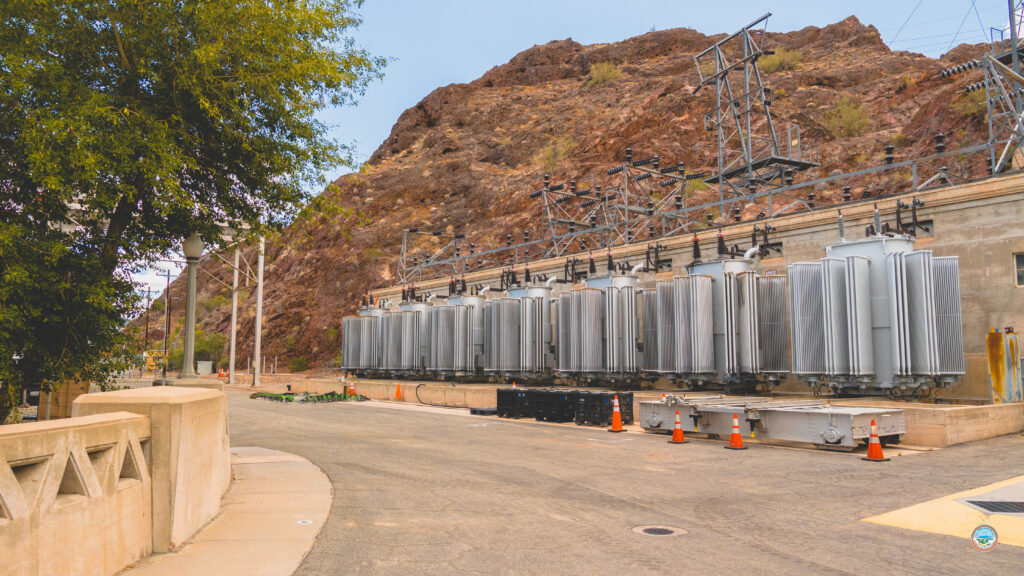
Similar concerns are growing at Hoover Dam. Circle of Blue reported that Lake Mead is approaching a critical elevation where Hoover Dam’s hydropower generating capacity could be cut by 70%. The report said Lake Mead is nearing the 1,035-foot elevation threshold, where many of Hoover Dam’s turbines are not designed to operate under low-water conditions. Reduced hydropower could increase costs for power customers and create broader challenges for the electric grid.

Growth and development are also becoming part of the water conversation. 12News reported that a large data center project in Arizona will scale down after public backlash. Data centers have become a growing concern in the West because they can require large amounts of water and electricity, depending on how they are cooled and operated. As more companies look to build in Arizona and Nevada, communities are asking whether new development can be supported without putting more pressure on already stressed water supplies.

That concern connects to a broader trend across the Southwest. Cities and industries are still planning for growth while the Colorado River system is producing less water than it once did. Water managers are now being asked to support housing, business development, technology projects, agriculture, and conservation at the same time. The challenge is not only finding new supplies, but deciding what kind of growth is realistic in a hotter and drier future.

These reports show that the Colorado River Basin is facing pressure from several directions at once. Scientists are working to improve forecasts because the river has become harder to predict. Colorado is dealing with weak snowpack and low flows. Basin-wide storage is still falling. Glen Canyon Dam and Hoover Dam are facing hydropower and ecosystem challenges. Cities and industries are being forced to rethink how growth fits into a limited water future.

The Colorado River crisis is no longer a single issue. It is a water supply issue, an energy issue, an economic issue, an environmental issue, and a community planning issue.

What does this mean for CRIT?

For the Colorado River Indian Tribes, these developments show why accurate information and long-term planning are essential. As the river becomes harder to predict, every forecast, reservoir decision, and conservation plan can influence how water is managed across the Basin.

Sources

KJZZ
https://www.kjzz.org/science/2026-06-01/new-asu-study-uses-satellites-to-make-more-accurate-colorado-river-water-forecasts

KPNX NBC 12News Phoenix
https://www.12news.com/article/news/local/arizona/large-data-center-project-arizona-will-scale-down-after-backlash/75-717b0b73-1dff-4be6-a5c2-bb77bb9ba4ee

Water Education Colorado
https://watereducationcolorado.org/fresh-water-news/colorados-race-to-cut-water-use-off-to-a-slow-start

University of Colorado Boulder
https://www.colorado.edu/center/gwc/2026/06/01/update-colorado-river-basin-storage-continues-slide-toward-system-crash

ABC 7 Denver
https://www.denver7.com/news/drought/colorados-drought-isnt-over-what-a-record-bad-winter-means-for-rivers-agriculture-and-wildfire-risk

AP News
https://apnews.com/article/colorado-river-humpback-chub-hydropower-cool-water-66136db825e948f1765f544272a1de6a

Inkstain
https://www.inkstain.net/2026/06/colorado-river-basin-new-report-from-my-colleagues-on-the-implications-of-running-on-empty/

Circle of Blue
https://www.circleofblue.org/2026/water-energy/hoover-dam-approaches-a-hydropower-cliff/


As the Colorado River talks keep going, it’s clear that the water situation is getting more serious than just state and federal meetings. Cities are getting ready for less water, local governments are tightening up on who can use the water, and there are more disagreements about groundwater. Plus, businesses are starting to see the financial impact of a river that’s being used too much and is under a lot of stress.

The Lower Basin states of Arizona, California, and Nevada are still pushing for a quick fix to help the Colorado River stay stable until 2028. The Calexico Chronicle reports that this plan would give the system over 3.2 million acre-feet of water each year until 2028. This is a response to the fact that the reservoirs are getting lower, Lake Powell is getting less water than usual, and there’s a growing chance that Lake Powell and Lake Mead will reach dangerous levels.

This plan is based on what the Lower Basin has already done, like agreeing to cut back on water each year and do more conservation. The new plan includes cuts from the Lower Basin, more conservation for the whole system, maybe some improvements to the infrastructure, and working together to manage the reservoirs. The leaders of the Lower Basin say this plan is a way to turn ideas into action and give the seven Basin states more time to figure out how to run the river in the long run after the current rules end.

Even though this plan might give us some breathing room, it doesn’t solve the bigger problem. The river is still giving us less water than we need, and now cities, rural areas, developers, businesses, farmers, and tribal groups are feeling the pressure. This is happening all over Arizona and in the Basin.

In Phoenix, city leaders are getting ready for the possibility of Colorado River cuts by checking out alternative water sources and long-term reserves. Phoenix relies on several water sources, including the Colorado River through the Central Arizona Project. As future reductions become more likely, the city’s planning mirrors a broader trend across the Southwest: big cities are no longer seeing Colorado River shortages as just a distant threat. They’re preparing for a future where less river water might be available, and backup supplies might be needed to keep up with demand.

In Tucson, water worries are already shaping development choices. KGUN 9 reported that the City of Tucson asked developers connected to Project Blue to stop using Tucson’s water supply after finding out water had been moved from the city’s system to the proposed data center site for dust control. Tucson Water took back a construction water meter linked to the project, and city officials mentioned that using Tucson water didn’t align with the mayor and council’s decision to turn down city involvement or support for the proposed development.

The city is also looking for compensation, asking the developers to pass 2 acre-feet of water credits to Tucson Water to replace the amount they used. This situation highlights how closely water use is being monitored as new developments, especially those that use a lot of water, move forward in a drought-affected area. It also brings up a growing question for Arizona communities: when water supplies are uncertain, who gets access, under what conditions, and who is responsible when water is used without public support?

Groundwater is becoming a more important topic. In western Arizona, Mohave County is still working to get more control over groundwater in the Hualapai Basin case. This disagreement is part of a bigger problem across Arizona, where groundwater is often seen as a backup when surface water supplies aren’t as reliable. But groundwater isn’t endless, and rural areas are now asking for stronger tools to manage pumping before shortages get worse.

These local groundwater battles are connected to the bigger Colorado River crisis. As Colorado River deliveries become less predictable, cities and developers might rely more on groundwater. This puts extra pressure on rural basins, local governments, and communities that depend on aquifers for their long-term survival. Now, the question isn’t just about how much water we can take from the Colorado River, but how much pressure will be put on groundwater systems when river supplies run low.

The effects are also being felt upstream. Salt Lake Magazine and Utah News Dispatch reported that federal officials are planning to release up to one-third of the water in Flaming Gorge Reservoir over the next year to help support Lake Powell and keep Glen Canyon Dam generating electricity. Flaming Gorge, located on the Green River in Utah and Wyoming, has already been used in past emergency actions to support the Colorado River system.

This new release plan is causing concerns in communities that depend on Flaming Gorge for recreation, tourism, and local business. Marina operators and local officials are worried that a big drawdown could shorten the summer season, put boat ramps out of commission, and hurt small communities economically. The reservoir might have been built to help support the larger Colorado River system, but the local impacts show that emergency actions in one part of the Basin can cause problems in another.

One of the biggest challenges for Colorado River managers is figuring out how to move water to protect Lake Powell and Lake Mead. While this might help the system in the short term, it could also put more pressure on communities upstream, local businesses, and ecosystems. As the drought continues, we might see more emergency operations, and every decision will have repercussions throughout the Basin. (more…)

Arizona, California and Nevada have put forward a new short-term Colorado River proposal aimed at protecting Lake Mead and Lake Powell while the Basin states continue working toward a longer-term agreement. The proposal comes at a critical time, as the Colorado River system continues to face worsening drought, shrinking runoff and growing pressure from cities, farms and communities that depend on the river. According to KOLD 13 Tucson, the three Lower Basin states submitted a plan to reduce their use of Colorado River water by at least 3.2 million acre-feet through 2028 as the nation’s two largest reservoirs remain under serious stress.

The proposal is being described as a temporary bridge, not a permanent fix. Utah Public Radio reported that the Lower Basin states offered the plan after about two years of disagreement with the Upper Basin states over who should take cuts and how deep those reductions should be. The current Colorado River operating agreements are set to expire in October, and federal officials have warned they may step in if the Basin states do not reach a deal.

For Arizona, the proposal could make future water cuts less severe than what federal officials had previously considered. KJZZ reported that the plan would help Phoenix-area cities avoid the deepest cuts that had been proposed for the Central Arizona Project, the 336-mile canal system that carries Colorado River water to the Phoenix and Tucson areas. Although Arizona would still leave some of its water in the river, the new proposal would move the state away from what Central Arizona Project officials had described as potentially “devastating” reductions.

Arizona would still carry a major share of the reductions. KOLD reported that Arizona would pledge to conserve 760,000 acre-feet of water per year under the Lower Basin proposal. In southern Arizona, Tucson Water said its ability to order future water could be reduced by about 20%. The report also noted that Arizona’s junior water rights status made the federal government’s earlier draft proposal especially concerning for the state. Under this new proposal, water officials said the burden would be spread more broadly across Arizona, California and Nevada.

The Arizona Municipal Water Users Association said the proposal may buy time, but it does not remove the larger problem. AMWUA reported that cities and municipal water providers in Arizona would still have at least 20% less Colorado River water for the next two years. That reduction is significant, but AMWUA said it is smaller than the cuts proposed in the Bureau of Reclamation’s January draft Environmental Impact Statement. In other words, the plan may give cities more time to prepare for deeper reductions, but it does not erase the reality that less Colorado River water will be available.
 (more…)

Arizona, California, and Nevada have put forward a new proposal to conserve Colorado River water through 2028, offering a short-term plan meant to stabilize Lake Mead and Lake Powell while the seven Basin states continue working toward a long-term agreement. The proposal comes after more than a year of stalled negotiations and as the river system faces worsening drought, low snowpack, and declining reservoir levels. NPR reported that the Colorado River supplies nearly 40 million people across the West, while Lake Mead and Lake Powell remain near dangerously low levels after more than two decades of megadrought.

The plan is being described as a temporary “bridge,” not a permanent solution. Under the proposal, the Lower Basin states would voluntarily reduce the amount of water they take from the river, helping protect water levels in the nation’s two largest reservoirs while negotiations continue. KNAU and KJZZ reported that Arizona, California, and Nevada would leave 700,000 to 1 million acre-feet of water in the Colorado River system, adding to earlier conservation efforts. State leaders say the total savings would add up to more than 3.2 million acre-feet of water through 2028.

For Arizona, the proposal is being viewed as both a warning and a possible lifeline. ABC15 reported that Arizona joined California and Nevada in offering deeper voluntary cuts after more than a year of stalled negotiations. Arizona’s Colorado River negotiator, Tom Buschatzke, said the proposal shows that water users across the Lower Basin are stepping forward with solutions that support the river. The plan is meant to keep water levels high enough at Lake Powell and Lake Mead to continue delivering water and power across the Southwest, but experts warned that the river’s future will still depend heavily on snowpack, precipitation, and long-term reductions in water use.

The urgency behind the proposal is tied directly to conditions at Lake Powell and throughout the Colorado River system. Smart Water Magazine reported that inflows to Lake Powell are forecast at only 29% of the historical average, while total system storage is roughly 36% of capacity. Those numbers show why negotiators are under pressure to take action now. If Lake Powell continues to fall, it could threaten hydropower production at Glen Canyon Dam and make it harder to move water downstream through the system.

The proposal also reflects the growing divide between the Lower Basin and Upper Basin states. Fox 13 Salt Lake City reported that California, Arizona, and Nevada offered the plan as a way to manage water for more than 40 million people in the West, but disagreements remain over who should take cuts and how deep those cuts should be. The Upper Basin states, which include Utah, Colorado, Wyoming, and New Mexico, have argued that the Lower Basin uses too much water from the reservoirs. Lower Basin leaders say they are putting forward measurable water savings and need federal leadership to help move the plan forward.

The Guardian reported that the Lower Basin proposal would save 3.2 million acre-feet of water through voluntary cutbacks through 2028, with an additional 700,000 acre-feet expected through conservation measures and infrastructure improvements. The plan also includes the creation of a conservation pool connected to federal trust obligations to tribes in Arizona. This is an important piece of the proposal because tribal water rights remain central to the future of Colorado River management. Across the Basin, many tribes hold legal rights to Colorado River water, but some of those rights remain unquantified or difficult to fully access.

At the same time, drought impacts are already being felt in tribal communities. Navajo Times reported that the Navajo Nation is being urged to pray for water as the Colorado River Basin enters another dangerous dry stretch. Federal forecasts warn that Navajo Reservoir could face shortages from November 2026 through February 2027, and Lake Powell could drop toward levels that make hydropower production more difficult. The report also noted that federal projections show weak spring runoff, with inflows into Lake Powell at about 22% of average. (more…)

Once designed to stabilize water deliveries to the Lower Basin, the Glen Canyon dam is now becoming a liability due to declining water levels caused by record breaking drought. The reservoir is less than a quarter full, and inflows are projected to be among the lowest ever recorded, driven by unusually early heat and a collapsing snowpack. The dam’s infrastructure was never designed to function at such low elevations, and as water levels drop, the systems that releases water downstream has become unreliable and even dangerous to operate.

This vulnerability could disrupt legally required flows under the 1922 Colorado River Compact, which is an agreement that divides the river’s water between the Upper and Lower Basin states. According to the compact, the Upper Basin States are required by law to provide a fixed amount of water flow annually. This has become an increasingly difficult task to fulfill due to the extreme drought.

The Bureau of Reclamation and other federal entities are attempting short-term emergency measures, such as holding back water in Lake Powell and releasing additional water from upstream reservoirs like Flaming Gorge. However, these actions are described as temporary “triage” that shift risk rather than solve it. This could lower levels in downstream reservoirs like Lake Mead and creating new ecological and economic problems. Long-term solutions, including major engineering retrofits to the dam, are being studied but will require years, congressional approval, and significant funding.

Cities across Arizona, with Phoenix leading the charge, are actively preparing for a future with less Colorado River water. Roughly 40% of Phoenix’s water supply comes from the Colorado River, and officials are anticipating bigger federal cuts around the corner. In response, the city is expanding groundwater access, storing water underground, investing in infrastructure to move water across regions, and developing advanced purification systems that can turn wastewater into drinking water. Programs like the Secure Water Arizona Program (SWAP) aim to create cooperative, market-like exchanges between cities to share water more efficiently. Despite decades of preparation and reduced per-capita water use, officials acknowledge that worsening drought conditions, stalled interstate negotiations, and federal policy decisions are pushing the system toward more restrictive measures, including potential Stage 2 drought warnings with conservation requirements and rising costs for consumers. (more…)

A new federal policy proposal is threatening to Colorado River tribal water rights, and tribal leaders are fighting back. The Colorado River Indian Tribes (CRIT) issued a forceful set of comments in response to the Bureau of Reclamation’s Draft Environmental Impact Statement (DEIS) outlining proposed alternatives for post-2026 operations for Lake Powell and Lake Mead.

In its current form, the DEIS includes an analysis of several alternatives for Colorado River operations that would distribute water shortages by cutting water to all users on a pro-rata basis. By doing this, it aims to treat all users the same, regardless of priority date. For CRIT, which holds senior rights in the Lower Colorado River, rights that date back to 1865, and are protected under the Supreme Court decree in Arizona v. California. Such an approach would undermine the very legal foundation that secures the Tribe’s access to water. Making matters worse, the draft also relies on assumptions tied to current consumptive use. This framework risks penalizing CRIT for the Bureau of Indian Affairs’ (BIA) failure to efficiently operate and properly maintain the Colorado River Indian Irrigation Project, which is the primary means for CRIT to use its water.

If this draft is finalized without any changes, and these policies are put into action, some of the alternatives proposed in the report would represent significant policy shift for Colorado River management. Current operating agreements that govern the river expire at the end of 2026, which is the reason for federal officials to develop new guidelines intended to manage rising demand. Currently, there is extreme pressure to find solutions due to worsening drought conditions, declining reservoir levels, and increasing uncertainty across the basin.

In its response, CRIT asserts that several proposed federal approaches conflict with long-established water law and threaten to undermine the Tribe’s senior water rights. CRIT’s comment letter warns that without significant revision, the draft could place federal actions in violation of existing U.S. Supreme Court decrees. In its letter, Tribal Council made very clear to the Secretary of the Interior and Reclamation officials that it will take any actions it deems necessary to protect CRIT’s rights, including litigation before the Supreme Court.

Why Pro-rata should never be considered:

Pro-rata was put into consideration under the previous presidential administration, and continues on in the current government. This was one of several potential alternatives to address the significant shortages in Arizona, which stands to lose at least 27% of its entire water allocation. Under the Department of the Interior’s (DOI) pro-rata concept, they would address water shortages by cutting deliveries evenly among users based on the percentage of water they currently use (or consume), rather than on each user’s legal priority.

Priority Matters: First in Time – First in Right

A water-user’s ‘priority’ is like a place in line, users at the front of the line are usually those who established their right to use water first. They get their water first, and in full, while lower-priority users, who established their water rights later in time, get their full share of water if there is still enough to go around. Only in times of extraordinary shortage, and after all lower-priority users are cut to zero, would ‘first-priority’ users have to take less than they are legally entitled to use. This is a long-established truth about Western U.S. water law: though it can lead to harsh outcomes, first in time = first in right… and all western water-users know this is how water law works.

But under a pro-rata approach, the Priority system would conveniently disappear, and all water users, regardless of when their rights were established, would share reductions during times of shortage. For CRIT, whose water rights are among the most senior in the Lower Basin, a pro-rata system represents a fundamental shift away from long-standing legal principles that have historically governed how Colorado River water is distributed.

Pro-rata has been vehemently opposed by CRIT leaders as a violation of the law and an attack on CRIT tribal sovereignty. On two separate occasions in the past 6 months, leaders from DOI and Reclamation have met with Council. On both of those occasions, Tribal Council has been forceful that pro-rata shortages are illegal.

Due to a hotter and drier climate, reservoirs at Lake Mead and Lake Powell have dropped to historically low elevations, and federal officials warn that existing management strategies have not been sufficient to stabilize the system. The DEIS proposes a range of operational alternatives designed to balance two competing priorities; 1) maintaining water deliveries to users across seven states, and 2) protecting reservoir storage in order to maintain infrastructure integrity.

Federal officials state that new guidelines are needed to provide predictability to water users while adapting to increasingly dry conditions expected in the future. The proposed framework would guide operations for up to 20 years, beginning in October 2026. CRIT argues that portions of the draft plan conflict with established federal law and the Supreme Court Decree governing the Colorado River.

Water Rights and Infrastructure Challenges

CRIT’s response also highlights longstanding infrastructure challenges affecting the Colorado River Indian Irrigation Project (CRIIP). Since its original construction, the irrigation system serving the Reservation has seen little modernization or meaningful improvement to meet 21st-century operational standards. As a result, aging canals leak significant amounts of water into the ground before it ever reaches a field or crops, and the canals operate so inefficiently that enormous amounts of water is allowed to spill off the end of the system, straight back into the Colorado River, without ever being turned out onto a field.

Addressing this problem is no simple undertaking. The irrigation system is federally owned and managed by the Bureau of Indian Affairs (BIA), an agency that has faced decades of declining funding and limited operational capacity. According to CRIT’s response, these systemic challenges have prevented the Tribe from fully utilizing water.

The passage of the Colorado River Indian Tribes Water Resiliency Act of 2022 further strengthens this effort by granting CRIT the authority to store, conserve, and lease its water. Historically, the water has been lost through deteriorating canals can instead be preserved for tribal agriculture, community development, and, if the Tribe chooses, leased to generate revenue that directly benefits CRIT and its members. The Tribe’s adoption of its Water Code  and recognition of the Colorado River’s Personhood Status under tribal law further reinforces this framework of sovereignty and stewardship. One of the main goals for CRIT in pursuing these efforts is to expand agricultural operations across the reservation. These efforts will create greater opportunities for Tribal members and ensure long-term prosperity for the community and more importantly, for future generations.

CRIT also forcefully argues that Reclamation must acknowledge the Personhood Status of the Colorado River under tribal law. The Tribe claims that the DEIS must analyze the impacts on the Colorado River from diverting water for use in central Arizona. The water is best left in-stream to benefit and protect its status as a living entity, which provides spiritual, cultural, and religious benefits to tribal members.

Taken together, these developments underscore why CRIT views the current federal proposal as a defining moment. This is why pro-rata should never be considered, because it undermines all the progress CRIT has made to ensure it can use its water rights entirely, and within the long-established, existing legal framework. The Tribe’s response makes clear that decisions affecting the Colorado River cannot move forward without full recognition of tribal rights and authority. CRIT has signaled that it is prepared to defend those rights, and if necessary, take this matter to the United States Supreme Court.

Read the document in its entirety – Comments from the Colorado River Indian Tribes on the Draft Environmental Impact Statement on Post-2026 Operational Guidelines for Lake Powell and Lake Mead. Follow the link below.
BOR_Comments CRIT Draft Environmental Impact Statement on Post 2026 Operational Guidelines and Strategies for La

Chief Irataba stands among the most notable figures in Native American history. Some leaders are remembered for their war strategy and resistance, while others are known for diplomacy and negotiation. Rarely do those qualities come together in one leader. Chief Irataba was one of those rare individuals. Known by the Mohave people as fearless, and described by American settlers as peaceful and fair, Irataba helped shape the future of the Mohave people and the land that would later become the Colorado River Indian Reservation.

Irataba, whose Mohave name was Eecheyara Tav, meaning bright bird,” was born around 1814 along the Colorado River. Historical accounts describe him as a striking and commanding figure. Standing approximately six feet four inches tall, with a heavy jaw and broad shoulders, he was widely recognized for his intelligence, bravery, and leadership. Despite his powerful physical presence, those who encountered him often described his demeanor as calm and gentle. Historian Arthur Woodward referenced early descriptions of the Mohave leader, writing that Irataba was “a man six feet four inches tall, of very powerful frame, but very gentle and kind in demeanor.”

During the early nineteenth century, Mohave communities thrived along the Colorado River. The river provided fertile floodplains for farming and served as an important route for travel and trade among tribes throughout the region. Irataba rose to prominence during this time and became a war leader of the Kwanami, a group whose name has been interpreted as meaning “fearless.” His leadership earned him a reputation as both a warrior and a respected decision-maker within the community.

Accounts from the period suggest that Irataba’s influence extended beyond his own village. One early description noted that he “seemed to have great influence over neighboring tribes and acted in disputed questions as a kind of supreme judge.” His ability to mediate disputes and maintain relationships among tribes helped establish him as one of the most respected leaders in the Colorado River region.

By the 1850s, the Colorado River began attracting increased attention from American explorers and the United States government as they searched for routes across the Southwest. One of the most notable expeditions during this time was led by Joseph Christmas Ives, who traveled along the river studying its geography and potential as a transportation route.

Historical accounts indicate that Irataba played an important role during these early encounters. Acting as a guide and intermediary, he helped facilitate communication between Mohave communities and American explorers traveling through the region. Newspaper reports from the time also recognized his authority. An article published in the Los Angeles Star in 1861 described Irataba as not only the chief of the Mohave people but someone who possessed more influence in the Colorado River country than any other chief in the district.

In 1864, Chief Irataba traveled to Washington, D.C., where he met with Abraham Lincoln and other federal officials. His visit brought national attention to the Mohave people and the challenges facing tribes along the Colorado River as settlers, miners, and military expeditions entered the region. On March 3, 1865, the Colorado River Indian Reservation was formally established by executive order issued by President Abraham Lincoln along the lower Colorado River. The reservation would eventually become home to the Mohave, Chemehuevi, Hopi, and Navajo peoples and remains the homeland of the Colorado River Indian Tribes today.

Chief Irataba continued to be a respected leader among the Mohave people throughout the later years of his life. He died in May of 1874 at his home along the Colorado River. Some historical accounts referred to him as “the Uncas of his tribe,” a comparison meant to recognize him as one of the last great leaders of the Mohave people during that era.

Today, many Mohave families continue to live in and around Parker, Arizona, within the Colorado River Indian Tribes community. The history of Chief Irataba is not only preserved in historical records but also through the families and descendants who remain connected to the land along the Colorado River. Generations of Mohave people have continued to live, work, and raise their families in the same region their ancestors once called home.

More than a historical figure, Chief Irataba’s legacy lives on through the people of the Colorado River Indian Tribes. His leadership during a time of great change helped shape the future of the Mohave people, and his story continues to be remembered as a symbol of strength, diplomacy, and resilience for generations to come.

Article written by CRIT Media Reporter Ariana Romero

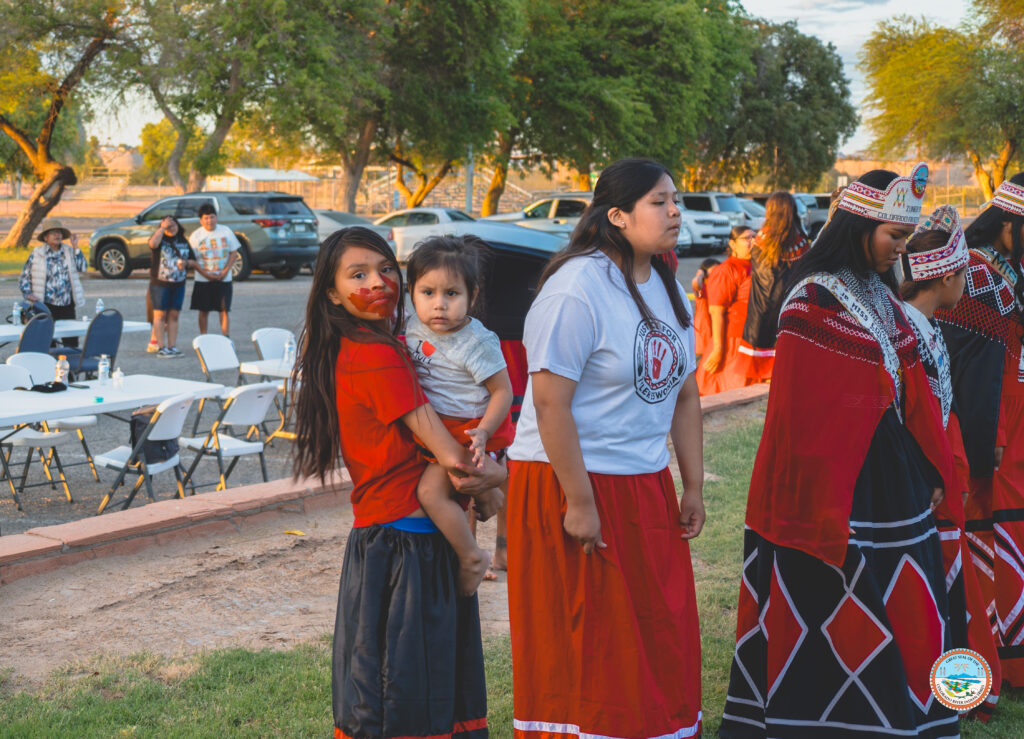
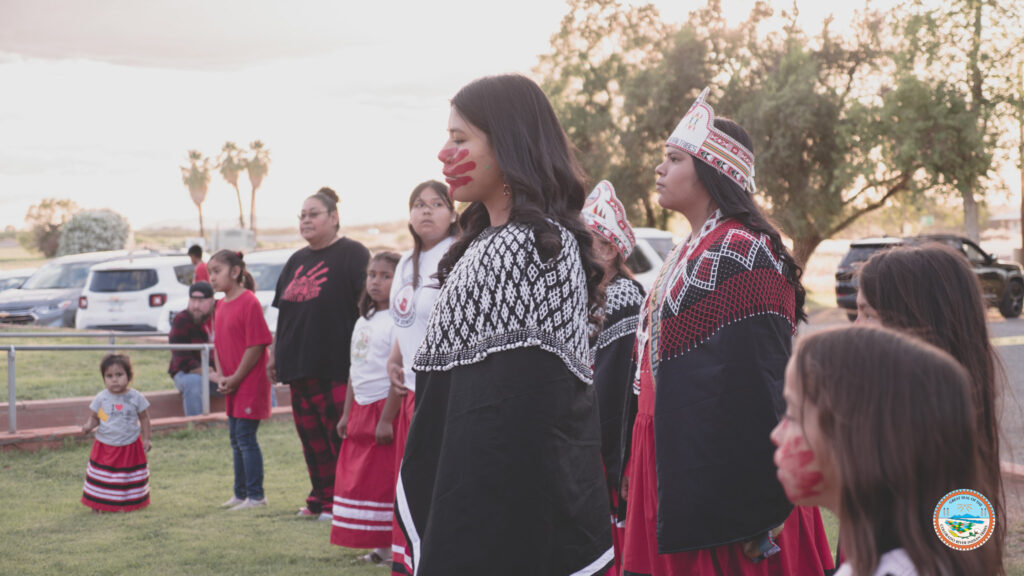
Nineteen years ago, Mega Throw began, and despite temperatures reaching over 105 degrees, Mega Throw XIX returned to Ahakhav Tribal Preserve on the Colorado River Indian Tribes reservation. Hosted by Ase S’maav, the Mohave Bird Singers, the two-day gathering welcomed tribes from near and far, with songs and tradition carrying on through the heat.
Mega Throw XIX continues a tradition that began in 2004 with a small group wanting to learn and sing. What started as a grassroots effort has grown into an ongoing commitment to keeping songs, language, and teachings active. Throughout the weekend, the preserve filled with the sound of bird songs and the movement of dancers as participants and spectators came together, carrying that purpose forward through their presence and participation.
Despite the intense heat, participants remained committed, continuing to sing and dance throughout the weekend. The dedication shown reflected the importance of the gathering, as the circle remained strong and songs carried on without pause.

From the youngest participants to experienced singers, the event highlighted the role of youth in learning through participation. Tiny tots and youth dancers stepped into the circle, some shy and others confident, following the rhythm of the gourd and songs as they learned in real time. Families gathered under shaded canopies, watching, encouraging, and sharing in the experience together.

Singing groups stood shoulder to shoulder, their voices blending as they carried songs that have been maintained over generations. Each performance reflected not only skill, but a responsibility to uphold what has been taught and continue it with care and respect.

The event also created space for connection beyond the dance area. Mega throwers gathered for a potluck, shared meals under the gazebo, and spent time visiting with one another throughout the day. Vendors were also set up throughout the area, offering handmade items that showcased their artistry and craftsmanship. Food vendors provided a variety of options, including frybread, tacos, and burgers, along with sweet treats like snow cones, deep-fried Oreos, and funnel cakes—making sure there was something for everyone to enjoy.
As the songs carried into the evening and families remained gathered under the cottonwood trees, the weekend reflected a continued commitment to honoring tradition and ensuring it carries forward for future generations. Mega Throw XIX was a success, and a strong showing of the work and dedication of those who organized and supported the event.
Until we gather again in song and tradition for Mega Throw XX.

Article & Photos by CRIT Media Reporter Ariana Romero

The Colorado River Indian Tribes Building and Safety Department is welcoming new director Alfred Mauer, whose background in inspections, compliance, and facility operations brings both technical expertise and a strong local connection to the role.

Mauer’s career began at just 18 years old working as a gold miner in northern Nevada. That early hands-on experience eventually led him into compliance, inspections, and administrative work. From underground mining operations, he later worked with Praxair at an air separation plant operating under strict federal regulations, including Homeland Security oversight. That experience helped shape his commitment to precision, safety, and doing things the right way.

Over the past five years, he has worked as a licensed building inspector while also operating his own inspection business. Managing everything from office communication and consulting to on-site inspections provided experience not only in technical building standards but also in customer service, project coordination, and helping facilities operate safely and efficiently.

Mauer also has a personal connection to the area. He attended elementary school in Parker before moving to northern Nevada and has now returned to serve the community. He says coming back to work with CRIT brings a strong sense of purpose and connection.

Now stepping into his new role, Mauer’s focus is clear: supporting safe, quality construction while helping tribal departments, businesses, and community members navigate the permitting and inspection process smoothly. The Building and Safety Department plays an important role in protecting the community by ensuring structures are built safely and responsibly, with an emphasis on prevention, communication, and long-term safety.

He emphasizes that the department is there to help guide people through the process, whether it involves new construction, renovations, or facility improvements. Clear communication and accessibility are key priorities as he settles into the position, helping ensure questions are answered early and projects move forward safely.

Having grown up around the community, Mauer says one of the things that stands out most about working at CRIT is the strong sense of family, pride, and connection among tribal members and employees. That sense of community motivates his commitment to safety and responsible development. Having witnessed preventable accidents in his career, he says his goal is always to promote safe structures that protect people first.

(more…)

TUCSON, Ariz. — The University of Arizona will host a special series of sign unveiling ceremonies on Friday, September 4, 2026, honoring the four languages of the Colorado River Indian Tribes (CRIT): Mohave, Chemehuevi, Hopi, & Navajo. These ceremonies represent an important milestone in an ongoing campus-wide initiative to elevate the visibility, recognition, and continued presence of Indigenous languages and cultural heritage within the campus community.

The events are organized by the University of Arizona’s Office of Native American Advancement & Tribal Engagement (NAATE) in collaboration with individual academic colleges. Students, faculty, staff, tribal community members, and the general public are invited to attend the progression of ceremonies throughout the day.

The schedule for the Friday ceremonies includes:

  • 9:00 AM – Emil W. Haury Anthropology Building (1009 E South Campus Dr): Honoring the CRIT Chemehuevi language. The ceremony features a welcome and land acknowledgment from Levi Esquerra (Special Advisor, NAATE), a prayer by Eloy DeLeon, remarks from Clarissa Robles Parra on behalf of the Office of the Provost, and an address by CRIT Chairwoman Amelia Flores. Cultural sharing will feature the Salt Song(s) and Red Foot, followed by refreshments.
  • 10:30 AM – Environment and Natural Resources 2 (ENR2) Building (1064 E Lowell St): Honoring the CRIT Navajo language. Hosted by Liz Petterson, Associate Director, Arizona Institute for Resilience, alongside CRIT Chairwoman Amelia Flores, and a Navajo language representative featuring a traditional blessing and cultural demonstration.
  • 1:00 PM – Forbes Building (1140 E South Campus Dr): Honoring the CRIT Hopi language with remarks from Dr. Edward Martin (Associate Dean, CALES Cooperative Extension), Professor Sheilah Nicholas, and Dean George W. Smith.
  • 2:30 PM – College of Education Building (1430 E 2nd St): Honoring the CRIT Mohave language. The concluding sign unveiling of the day will include introductions by students, remarks from CRIT Chairwoman Amelia Flores, and a final cultural demonstration.

The celebration of Indigenous culture continues into the weekend with the Native American Heritage Game on Saturday, September 5, 2026. The Arizona Wildcats will face Northern Arizona at Casino Del Sol Stadium, with kick-off scheduled for 6:30 PM MST. Pre-game festivities at Bear Down Field will begin at 3:15 PM with the Bear Down Bash, featuring 18-minute cultural performances from each tribe. A traditional gift presentation will follow during the Wildcat Walk at 4:15 PM, leading up to an on-field tribal recognition ceremony during the second quarter of the football game.

For more operational schedules or to register for the unveiling events, please visit the official University of Arizona Event Page.