July reporting continued to focus on how Arizona and the wider Colorado River Basin are preparing for reduced water supplies, with attention on Tribal water leadership, advanced water purification, and low reservoir levels.
Lake Powell Chronicle reported on the growing role of Tribal Nations in Arizona water policy. The article focused on how Tribal water rights, settlements, and planning are becoming more central as the state and federal government respond to long-term shortages. The reporting also reflects a broader shift across the Basin, where Tribal Nations are not only water rights holders but key governments in future river decisions.
Arizona water agencies are also looking at new supply options. AMWUA reported on advanced water purification, a process that treats recycled water to drinking-water standards. The technology is receiving more attention as cities look for options beyond traditional surface water, groundwater, and stored credits.
At the same time, Lake Powell remains under serious pressure. ABC News reported that the reservoir is nearing “dead power pool,” the elevation where water levels become too low for Glen Canyon Dam to generate hydropower. Newsweek also reported on concerns about Lake Powell and Lake Mead, including ideas being discussed by scientists and water experts as both reservoirs remain low.
John Fleck at Inkstain described the reservoir conditions as a grim Colorado River milestone. The continued decline of Lake Powell and Lake Mead shows how storage, hydropower, and future water deliveries are tied together. When the reservoirs fall, the issue is not only how much water remains but how the system can continue operating.
California water issues also remained part of the regional picture. Smart Water Magazine reported that California voters rank water among their top priorities for the next governor. While California’s water system is different from Arizona’s, the state remains part of Colorado River negotiations and shares in decisions over future Lower Basin reductions.
The July reports show several parts of the water discussion moving at once. Tribal Nations are gaining more recognition in water policy. Cities are exploring advanced purification. Lake Powell and Lake Mead remain low. States are still facing pressure to plan for a river system that can no longer support all demands in the same way.
What does this mean for CRIT?
For CRIT, the reporting on Tribal water power is directly relevant. It shows that Tribal Nations are becoming more visible in statewide and Basin-wide water decisions, especially as shortages force governments to revisit how water is managed. (more…)
July 13 reporting showed drought pressure moving from long-term forecasts into visible impacts across Arizona and the Upper Basin.
In southern Arizona, the San Pedro River recorded zero flow at a key monitoring point near Sierra Vista. The Arizona Republic reported that the river ran dry there for only the second time in 122 years of records. The San Pedro is one of Arizona’s last free-flowing rivers, and dry conditions along the river show how drought, groundwater pumping, and heat can affect local ecosystems.
Scottsdale continued reviewing its long-term water planning. KJZZ reported that city officials are preparing for possible Colorado River cuts, including a possible large water-use ordinance. KJZZ reported that Scottsdale relies on Colorado River water for about 70% of its supply, with some parts of the city depending on it even more. The city has also purchased water credits from Harquahala Valley and uses advanced water treatment and recharge as part of its water planning.
Arizona also extended groundwater-related support in Pinal County. AZ Free News reported that state lawmakers extended Pinal groundwater fee relief and irrigation project funding through 2030. The funding is tied to agricultural water planning in a region that has already faced reductions to Colorado River supplies.
Water demand from data centers remained part of the state’s water debate. The Cool Down reported that Arizona paused data center tax breaks for three years after public concern over water and power use. The issue shows how large technology projects are becoming part of water planning as the state considers future growth.
In the Upper Basin, Colorado water groups are working to keep more water in rivers during extreme drought. Steamboat Pilot & Today reported on efforts by the Colorado Water Trust to support river flows, including work connected to the Yampa River and reservoir releases.
The Salt Lake Tribune also reported on a new study measuring how much water Flaming Gorge Reservoir loses to evaporation. That information could help water managers better understand reservoir losses as Lake Powell and other parts of the system remain under pressure. (more…)
Reports show how water concerns are reaching different parts of the West, from city conservation programs in Arizona to tribal water settlements, drought impacts, and ongoing Colorado River negotiations.
In Arizona, cities are encouraging residents to use less water. SignalsAZ reported that Surprise is offering rebates for eligible water-saving improvements. 12News reported that Scottsdale residents can also receive rebates for conservation upgrades. These programs reflect how cities are trying to reduce demand as Colorado River supplies become less reliable.
Tribal water rights remained a major issue. Navajo Times reported that the Diné water settlement has stalled after objections from Colorado, New Mexico, Utah, and Wyoming. The settlement involves the Navajo Nation, Hopi Tribe, and San Juan Southern Paiute Tribe and is tied to water infrastructure and access in northeastern Arizona. The four Upper Basin states raised concerns about how the water could be used or leased in the future.
Drought impacts continued in Arizona. Congressman Eli Crane’s office reported that the U.S. Department of Agriculture issued drought disaster designations for several Arizona counties. Gila Valley Central reported that Graham and Greenlee counties were declared primary disaster areas because of drought. These designations can make assistance available to eligible farmers and producers.
The University of Arizona Water Resources Research Center released a toolkit for domestic well owners. The guide covers well maintenance, water quality, testing, and drought planning. It is especially relevant for rural residents who rely on private wells.
Water demand from data centers also remained part of the discussion. KTAR reported on concerns over whether data centers are draining Arizona’s water. As technology projects expand, their energy use, cooling needs, and long-term water demand are drawing more attention.
Across the West, drought pressure continued. KSL reported that experts are watching specific regions and industries facing severe drought impacts. Cowboy State Daily reported that an irrigation district in eastern Wyoming warned water could run out by early August.
Colorado River negotiations also remained unsettled. KNPR reported on where Southern Nevada stands as the current river management agreement nears expiration. KLAS reported that Colorado’s water commissioner said drought conversations remain difficult. KUTV reported that Upper and Lower Basin states failed to reach an agreement on Lake Powell.
Weather added more uncertainty. Several outlets reported rising odds of a strong El Niño. While El Niño can bring wetter conditions to some areas, it does not guarantee drought relief for the Colorado River system. Snowpack, runoff, and soil conditions will still determine how much water reaches reservoirs.
The reports show water planning happening on several fronts. Cities are offering rebates, rural residents are receiving well guidance, Arizona counties are facing drought designations, tribes are waiting on settlement progress, and Basin states are still negotiating future river rules. (more…)
Arizona cities are pressing for clearer answers on water they stored underground as the state prepares for possible Colorado River cuts.
KJZZ reported that Phoenix-area cities and the Arizona Water Banking Authority are in disagreement over how stored Colorado River water should be distributed during shortages. Since the late 1990s, excess Colorado River water has been stored underground as a backup supply. With new river rules expected and cuts likely for Central Arizona Project users, cities want to know how much water they will be allowed to recover, when it would be available, and what requirements may come with it.
The question is not just how much water exists underground. It is also how the Water Bank decides who gets access and how much should be saved for future shortages. KJZZ reported that Water Bank officials are considering policies that could limit distribution or require cities to show conservation efforts before receiving stored water.
Scottsdale is also adding to its stored-water portfolio. KJZZ reported that the city approved an $8.25 million purchase of water credits from Harquahala Valley through the Central Arizona Project. The credits represent water stored underground for future use. According to KJZZ, the purchase amounts to about 15,000 acre-feet of water and brings Scottsdale’s long-term water credits to just under 300,000 acre-feet.
The purchase shows how cities are looking beyond current deliveries and preparing for uncertainty. Stored credits can help provide backup during shortages, but they still depend on access, recovery, and long-term management.
Drought conditions are also affecting Arizona counties. Congressman Eli Crane’s office reported that the U.S. Department of Agriculture issued drought disaster designations for several Arizona counties. Gila, Pinal, and Yuma counties were elevated to primary disaster status in a later designation, while other counties were listed as contiguous. The designations can help make agricultural assistance available to eligible producers affected by drought.
Groundwater recharge remains part of the broader water planning conversation. Agri-Pulse reported that California lawmakers are again trying to address permitting delays for groundwater recharge projects. The bill discussed in the report would give farmers and water agencies more flexibility to capture high flows and move water underground when wet conditions allow. Supporters say current permitting can be too slow for short windows of available water.
The issue connects to Arizona’s own recharge discussions. Across the West, water managers are looking at ways to store more water underground during wet periods so communities and farms have more flexibility during dry years.
The legal side of western water also continues to grow. The Colorado Sun reported that the U.S. Supreme Court agreed to hear Nebraska’s lawsuit against Colorado over the proposed Perkins Canal. Nebraska says the canal is needed to bring South Platte River water into Nebraska under a 1923 compact. Colorado officials say the state is complying with the compact and will defend its water rights. (more…)
Arizona’s water coverage centered on a practical question: if the Colorado River keeps shrinking, how much backup water is actually available, and who can use it?
KJZZ reported that Phoenix-area cities are asking for clearer answers about Colorado River water stored underground by the Arizona Water Banking Authority. The Water Bank was created in 1996 to store excess Colorado River water underground for use during a shortage. Cities that rely on the Central Arizona Project say they need to know how much of that stored water they can access, when it would be available, and how it would be recovered.
The issue is becoming more urgent as federal officials consider new Colorado River operating rules. Arizona Farm Bureau News reported that Arizona water officials are pushing for the Lower Basin proposal as an alternative to deeper federal cuts. The proposal includes mandatory reductions across Arizona, California, and Nevada, along with additional voluntary savings through 2028.
The Arizona Farm Bureau also reported that the Central Arizona Project is now projecting a 14% shortage in its municipal water pool instead of 20%, partly by using water from Lake Pleasant and wells in Yuma. Even with that smaller projected shortage, cities and farms are still preparing for less water.
Agriculture remains a major part of the discussion. Arizona farmers are watching possible cuts closely because reductions to Colorado River water can affect planting decisions, crop choices, and operating costs. Those changes can also move beyond farms, reaching workers, local economies, and food supply chains.
Arizona is also looking at how to keep more water in the state. KJZZ reported that more than 95% of precipitation that falls in Arizona is lost to evapotranspiration. The reporting was based on the Arizona Tri-University Recharge and Water Reliability Project, which is studying ways to capture more rain, snowmelt, and runoff before it is lost to evaporation or plant use. The project is also looking at how more water can be moved into aquifers through recharge.
That research connects directly to questions about groundwater. As Colorado River supplies become less reliable, cities and rural areas are paying closer attention to underground storage, recharge, and long-term access to stored water.
The Desert Review reported that the Central Arizona Irrigation and Drainage District secured up to 10,000 acre-feet per year of new water supply from the Mojave Groundwater Bank in California. The agreement is another example of Arizona water users looking outside traditional supplies as Colorado River shortages continue.
Lake Powell also remained under pressure. The Guardian reported that the reservoir could fall to unprecedented lows after poor snowpack and limited spring runoff. KUTV and Newsweek reported on a proposal from scientists to move more water from Lake Powell to Lake Mead, arguing that storing more water in Lake Mead could reduce losses and protect downstream supplies. The idea is part of a larger debate over how the two major reservoirs should be managed as both remain low. (more…)
Lake Powell remained one of the biggest concerns. The Colorado Sun reported that low water levels are creating new pressure at Glen Canyon Dam, where federal officials are working to protect dam infrastructure as the reservoir drops. The report focused on cavitation, a problem caused when fast-moving water creates vapor bubbles that can damage dam equipment and concrete surfaces.
The issue shows how falling reservoir levels affect more than water storage. Lake Powell also supports hydropower generation, downstream releases, and dam operations. When the reservoir drops too low, federal managers have fewer options to move water through the system safely and efficiently.
Arizona water users are also watching federal planning closely. The Arizona Daily Star reported that a Colorado River water savings plan could reduce the effect of future cuts on Arizona users. The plan is part of ongoing Lower Basin negotiations as Arizona, California, and Nevada look for ways to conserve water and avoid deeper mandatory reductions.
Those negotiations remain unsettled. Fox 13 Salt Lake City reported that Colorado River governors said they are not at a stalemate, even as the deadline for new river rules gets closer. The current operating guidelines are set to expire after 2026, and the seven Basin states still need agreement on how future shortages will be shared.
For Arizona, Central Arizona Project water remains a major concern. The CAP canal moves Colorado River water to central and southern Arizona, including cities, farms, and tribal users. If future cuts fall heavily on CAP water, impacts would vary depending on each user’s legal priority, water portfolio, and access to stored supplies.
AMWUA reported on the importance of municipal access to stored water credits. Cities have stored water underground for years to prepare for shortages, but access to those credits becomes more important as Colorado River supplies become less reliable. Stored credits can help cities manage short-term gaps, but they are not a permanent replacement for long-term river reductions.
The idea of moving new water into Arizona also received attention. Some proposals have looked at whether abandoned energy pipelines could be used to bring water west. These ideas reflect the search for new supplies, but large importation projects often involve high costs, legal questions, energy demands, and environmental review. (more…)
CRIT Media was formally invited to tour the Metropolitan Water District (MWD) facility in Parker, Arizona, alongside local business owners from Lake Havasu, Parker Area Chamber of Commerce, representatives, and local law enforcement agencies. The tour provided an inside look at the facility’s operations, including how water is stored and managed along the Colorado River system. Guests were also able to explore historic buildings constructed in the early 1930s, many of which still feature the nostalgic architecture and craftsmanship of that era.
Throughout the visit, MWD staff shared their passion for the work they do and the long history the district has in the Parker area. It is no secret that Colorado River Indian Tribes and MWD have maintained a longstanding relationship due to their close proximity and shared connection to the Colorado River. Employees like Gina Chavez, who was born and raised in Parker and grew up on MWD property, spoke about the importance of community outreach, local involvement, and helping create employment opportunities for residents in the area.
The tour highlighted not only the scale and complexity of water operations in the region, but also the deep local ties and history that continue to connect Parker, the Colorado River, and the people who work to manage one of the Southwest’s most important resources.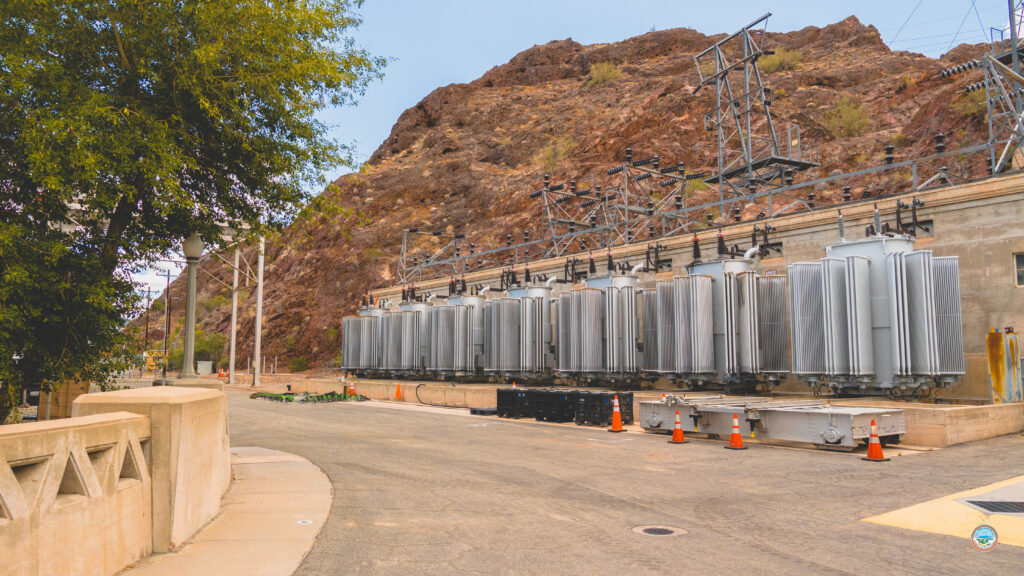
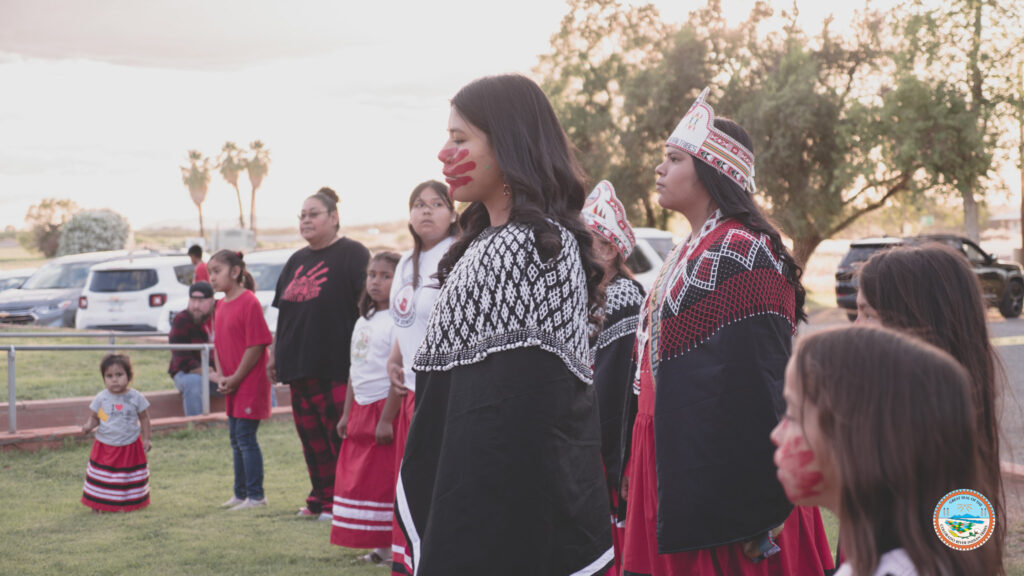
The Missing and Murdered Indigenous Women and People (MMIWP) movement brings awareness to the ongoing crisis of Indigenous people who have gone missing or been murdered across Tribal communities throughout North America. For decades, Indigenous families and advocates have called attention to the lack of media coverage, jurisdictional challenges, and limited resources that have contributed to many of these cases going unsolved or overlooked.
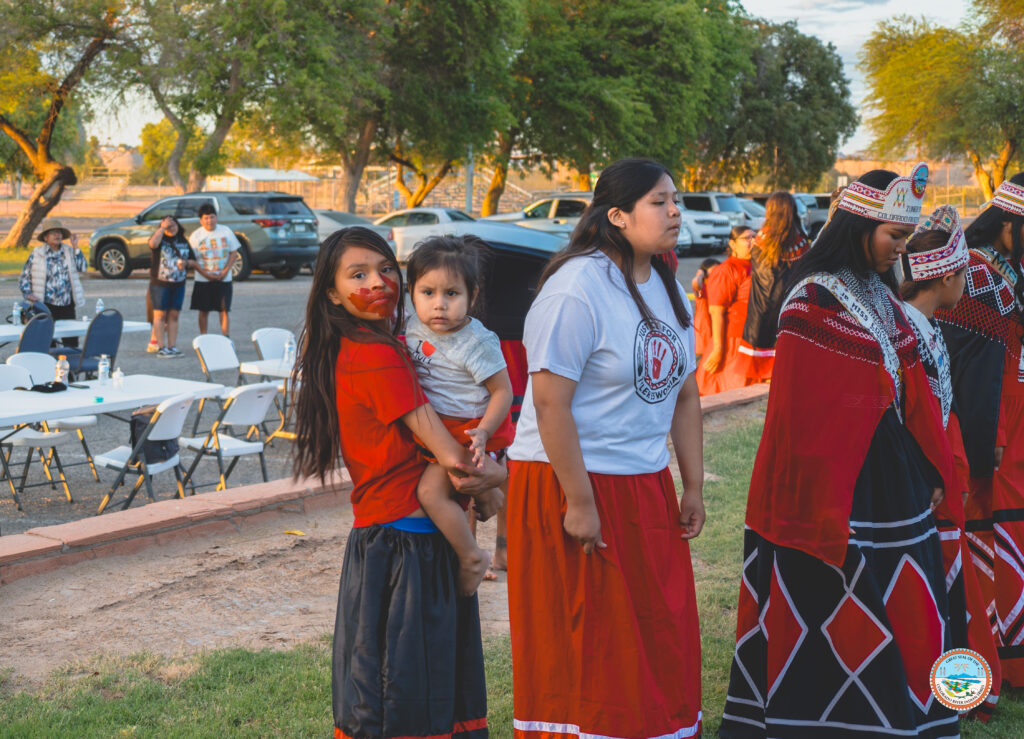
On Tuesday, May 5th, 2026 CRIT hosted an event honoring MMIWP, bringing the community together in remembrance, reflection, and support for affected families.
Several speakers courageously shared the stories of loved ones from the reservation who have gone missing or were tragically murdered and are not forgotten. Young girls spoke about the heartbreaking loss of their father, siblings shared memories of missing sisters, mothers, and grandparents.
A special thank you to Councilman Tommy Drennan for organizing the event with Janice Patch and other organizers of this very important day for CRIT and all of Indian Country.
The Lower Basin States of Arizona, California, and Nevada have advanced a plan to stabilize the Colorado River through 2028, responding to declining reservoir levels, record low inflows to Lake Powell, and increasing risk of reaching critical elevations at both Lake Powell and Lake Mead.
Earlier in the post-2026 process, the Lower Basin took a significant step by proposing 1.25 million acre-feet in annual reductions, with an additional 250,000 acre-feet from Mexico, totaling approximately 1.5 million acre-feet per year.
This proposal builds on that foundation with an expanded system conservation program across the Lower Basin with an estimated contribution of at least 700,000 acre-feet. In total, the plan identifies up to 3.2 million acre-feet of water savings to the system through 2028.
The proposal is an integrated package addressing Lake Powell releases, Upper Initial Unit operations, Lower Basin reductions, additional conservation, use of Intentionally Created Surplus, and system infrastructure improvements. Lower Basin contributions are contingent on these coordinated operations to ensure system stability as well as appropriate funding.
“With this proposal, the Lower Basin is putting forth real action to stabilize water supply along the Colorado River. We’re putting forward additional measurable water contributions for the system. Without that, the system will continue to decline,” said JB Hamby “This proposal is about moving from ideas to implementation,” said John Entsminger. “It pairs real measurable water contributions with sensible dry-condition operations at Lake Powell and across the Upper Initial Units. Now is the time for every water user in the Basin to double down on water conservation as we face historically dry hydrology.”
“This proposal reflects the creativity and commitment of water users across the Lower Basin who continue to step forward with solutions that support the river,” said Tom Buschatzke. “We have shown that collaborative, voluntary efforts and reductions that are certain can produce meaningful water savings.” (more…)