By Ariana Romero CRIT Media
According to 12News (KPNX), the Central Arizona Project (CAP) is warning that Arizona could face up to $2.7 trillion in economic losses under a worst-case Colorado River management scenario.
CAP officials say severe water reductions could impact agriculture, housing development, and overall economic growth across the state. The Colorado River is a primary water source for Arizona, and any major cutbacks would ripple through multiple sectors.
For CRIT, this highlights how closely water is tied to economic stability. Decisions about Colorado River water are not just environmental, they directly affect jobs, infrastructure, and the long-term well-being of Tribal communities that depend on the river.
According to Newsweek, Lake Powell could see some of its lowest water levels in 25 years due to continued drought and low snowpack across the Colorado River Basin.
Forecasts show that inflows into the reservoir this year could be among the lowest on record, with only about 36% of average runoff expected. If water levels drop too low, it could threaten hydropower production at Glen Canyon Dam and reduce the system’s ability to store and deliver water.
For CRIT, Lake Powell plays a major role in managing the Colorado River system. Declining reservoir levels can affect how water is released downstream, which impacts water availability for communities, agriculture, and Tribal Nations along the river.
According to Indianz.com, the Senate Committee on Indian Affairs is preparing to hold a hearing focused on Tribal water rights.
The hearing will address ongoing efforts to secure and protect water rights for Tribal Nations, many of which are still working to finalize settlements and access infrastructure needed to fully use their water allocations.
For CRIT, this is especially important because Tribal Nations hold some of the most senior water rights on the Colorado River. Federal discussions and decisions around these rights can influence how water is allocated, protected, and developed for Tribal communities now and in the future.
Sources
Indianz.com: https://indianz.com/News/2026/03/10/senate-committee-on-indian-affairs-sets-hearing-on-water-rights/
According to KOLD News 13, ongoing debates over how Colorado River water should be allocated could have major consequences for Arizona farmers. Agriculture relies heavily on Colorado River water, particularly through deliveries from the Central Arizona Project.
If deeper cuts are implemented under new federal operating guidelines, many agricultural operations could face significant reductions in available water. Farmers and water managers are closely watching negotiations as federal officials work to finalize new management rules for the river after 2026.
For CRIT, these discussions are important because agriculture remains one of the largest users of Colorado River water. Decisions about water allocations across the basin could influence farming operations, economic stability, and long-term water planning throughout the region.
According to the Los Angeles Times, officials from Arizona, California, and Nevada are urging the federal government to reconsider parts of its draft plan for managing Colorado River water shortages.
Leaders from the Lower Basin states say the proposal could shift too much responsibility for water reductions onto their states, even though they have already implemented conservation measures in recent years. The request highlights ongoing tensions between the Upper Basin and Lower Basin states as the federal government works toward new operating rules.
For CRIT and other Tribal Nations along the river, the outcome of these negotiations will shape how water shortages are shared across the basin and how the Colorado River is managed in the future.
According to KJZZ, a new agreement involving Arizona and Mexico could move forward plans to produce desalinated ocean water that could eventually supplement Colorado River supplies.
The concept would involve building desalination facilities along the Gulf of California and transporting treated water inland. While the project would require major infrastructure and investment, supporters say it could help reduce reliance on the Colorado River during prolonged drought conditions.
For CRIT, proposals like this reflect how states are exploring alternative water sources as pressure on the Colorado River increases and long-term supply challenges continue.
According to KJZZ, Arizona water officials are pushing back against a draft federal proposal that would guide how the Colorado River is managed after 2026. Leaders from Arizona’s water agencies say the proposal could unfairly shift more water reductions onto Lower Basin states like Arizona.
The plan is part of the Bureau of Reclamation’s process to create new operating rules for Lake Mead and Lake Powell as the river continues to face long-term drought and declining flows. Arizona officials argue the draft proposal does not adequately account for previous conservation efforts already made by Lower Basin states.
For CRIT and other Tribal Nations along the Colorado River, these negotiations are critical because the final federal plan will shape how water shortages are shared and how the river system is managed in the decades ahead.
According to the Colorado Sun, water experts are exploring a “conservation pool” concept that could help stabilize water levels in the Colorado River’s major reservoirs. The idea would create a reserve of water stored specifically to protect Lake Mead and Lake Powell from dropping to critically low levels.
Under the proposal, water users across the basin would contribute conserved water that could be held in reserve and used during severe shortages. Supporters say the concept could provide more flexibility in managing the river during drought conditions.
For CRIT and other Colorado River communities, ideas like this illustrate the kinds of creative management strategies being discussed as officials work to protect the long-term reliability of the river system.
Source:
https://coloradosun.com/2026/03/04/conservation-pool-path-forward-colorado-river/
According to the Imperial Valley Press, California water officials are warning that the federal government’s proposed Colorado River management plan could conflict with the Colorado River Compact and other long-standing water agreements.
State officials say parts of the draft plan could undermine legal water rights that have governed the river for more than a century. The warning highlights growing tension among the basin states as they struggle to reach consensus on how to manage declining river supplies.
For CRIT, discussions about the Law of the River, compacts, and federal authority are especially important because Tribal Nations hold legally recognized water rights that must be considered in future river management decisions.
According to KTAR News, decisions being made about the future management of the Colorado River will have major consequences for Arizona’s water supply. State leaders say upcoming federal decisions on post-2026 river operations could determine how much water Arizona receives during future shortages.
The Colorado River supplies water to millions of people across the Southwest and supports agriculture, cities, and power generation. As negotiations among the seven basin states remain unresolved, federal officials may ultimately have to determine how water reductions are shared.
For CRIT and other Tribal Nations along the Colorado River, these decisions are especially important because new operating rules will guide how the river is managed for decades and could influence water deliveries, infrastructure planning, and long-term water security.
According to 9News Denver, the seven Colorado River Basin states have missed key deadlines to reach a new agreement on how to manage the shrinking river. With negotiations stalled, the federal government may ultimately step in and set new operating rules.
The U.S. Department of the Interior has been working with the states to develop guidelines for managing Lake Mead and Lake Powell after 2026, when current shortage agreements expire. Without consensus among the states, federal officials could impose a plan to prevent reservoir levels from dropping to dangerously low levels.
For CRIT, federal involvement in Colorado River operations is significant because Tribal Nations are key stakeholders in the river system. Decisions made during this process could affect water allocations, infrastructure planning, and the long-term stability of the river that supports communities across the basin.
According to 12News (KPNX), Arizona leaders say the state is approaching a critical moment as Colorado River negotiations continue and water cutbacks remain likely. Officials described the situation as a crossroads, warning that the next few years will require difficult decisions about conservation, water use, and long-term planning.
The looming reductions stem from ongoing negotiations over post-2026 operating rules for the Colorado River, which will determine how water shortages are shared among the seven basin states. Arizona has already taken significant reductions under earlier shortage agreements, and additional cuts could affect cities, agriculture, and water providers across the state.
For CRIT and other Tribal Nations along the river, these discussions are important because future operating guidelines will shape how the Colorado River is managed for decades. Tribal water rights, infrastructure investments, and long-term planning will all be influenced by how states and the federal government resolve these negotiations.
According to the Arizona Republic, scientists say the western United States may not simply be experiencing a drought but a long-term shift toward a drier climate known as “aridification.” Researchers say the region has effectively been in a 32-year drought, but climate patterns suggest the West could remain permanently drier than historical averages.
This shift is affecting the Colorado River Basin, where reservoirs like Lake Mead and Lake Powell remain far below historic levels despite occasional wet years. Scientists say warmer temperatures cause more water to evaporate and reduce snowpack that normally feeds the river.
For CRIT, this concept of aridification is important because it changes how water planning is approached. Instead of preparing for drought cycles followed by recovery, water managers may need to plan for a permanently smaller Colorado River supply.
According to KJZZ, lawmakers introduced around 30 groundwater-related bills during the current Arizona legislative session, but most proposals do not directly focus on conservation. Instead, many of the bills address water development, transportation, or regulatory changes.
Arizona groundwater policy has become a growing concern as communities increasingly turn to underground aquifers to supplement shrinking Colorado River supplies. Some lawmakers and water experts argue stronger conservation policies are needed to protect these aquifers for future generations.
For CRIT and other Tribal communities, groundwater policy is significant because it influences regional water demand and long-term water sustainability across Arizona. As Colorado River supplies tighten, groundwater management decisions could shape how the state balances growth with water availability.
According to KJZZ News, environmental groups are warning of serious long-term impacts to the Colorado River system after negotiators missed another deadline to finalize future water management rules. Advocates say declining reservoir levels, ongoing drought, and delayed agreements could increase pressure on ecosystems, agriculture, and water supplies across the Southwest. The warnings highlight growing urgency for coordinated conservation and policy action. For CRIT, these discussions are important because federal decisions about river operations directly influence how tribal water rights are protected and how long-term water stability is maintained.
Source: KJZZ News — https://www.kjzz.org/politics/2026-02-19/environmental-groups-warn-of-dire-impacts-after-colorado-river-negotiators-miss-another-deadline
According to Nevada Public Radio, Colorado River negotiations continue to face challenges as states balance drought impacts, water demand, and competing priorities. Officials involved in the talks say progress has been uneven and that future agreements may require difficult compromises across the basin. Continued uncertainty highlights the complexity of managing the river under changing climate conditions. For CRIT, ongoing interstate negotiations remain important because federal and regional policy decisions directly affect how tribal water rights are recognized and protected.
Source: Nevada Public Radio — https://knpr.org/show/knprs-state-of-nevada/2026-02-20/nevadas-main-water-negotiator-talks-about-the-bumpy-road-ahead-in-the-colorado-river-discussions
According to Newsweek, recent data shows some improvement in Lake Mead water levels following storms and conservation efforts, offering cautious optimism for the Colorado River system. However, experts note that long-term drought conditions still pose significant challenges and continued conservation will remain essential. Reservoir levels remain a key factor in determining water deliveries across the basin. For CRIT, reservoir conditions remain important because federal operational decisions tied to storage levels directly affect how tribal water allocations are managed and protected.
Source: Newsweek — https://www.newsweek.com/lake-mead-water-levels-get-good-news-11557968
CRIT Media was formally invited to tour the Metropolitan Water District (MWD) facility in Parker, Arizona, alongside local business owners from Lake Havasu, Parker Area Chamber of Commerce, representatives, and local law enforcement agencies. The tour provided an inside look at the facility’s operations, including how water is stored and managed along the Colorado River system. Guests were also able to explore historic buildings constructed in the early 1930s, many of which still feature the nostalgic architecture and craftsmanship of that era.
Throughout the visit, MWD staff shared their passion for the work they do and the long history the district has in the Parker area. It is no secret that Colorado River Indian Tribes and MWD have maintained a longstanding relationship due to their close proximity and shared connection to the Colorado River. Employees like Gina Chavez, who was born and raised in Parker and grew up on MWD property, spoke about the importance of community outreach, local involvement, and helping create employment opportunities for residents in the area.
The tour highlighted not only the scale and complexity of water operations in the region, but also the deep local ties and history that continue to connect Parker, the Colorado River, and the people who work to manage one of the Southwest’s most important resources.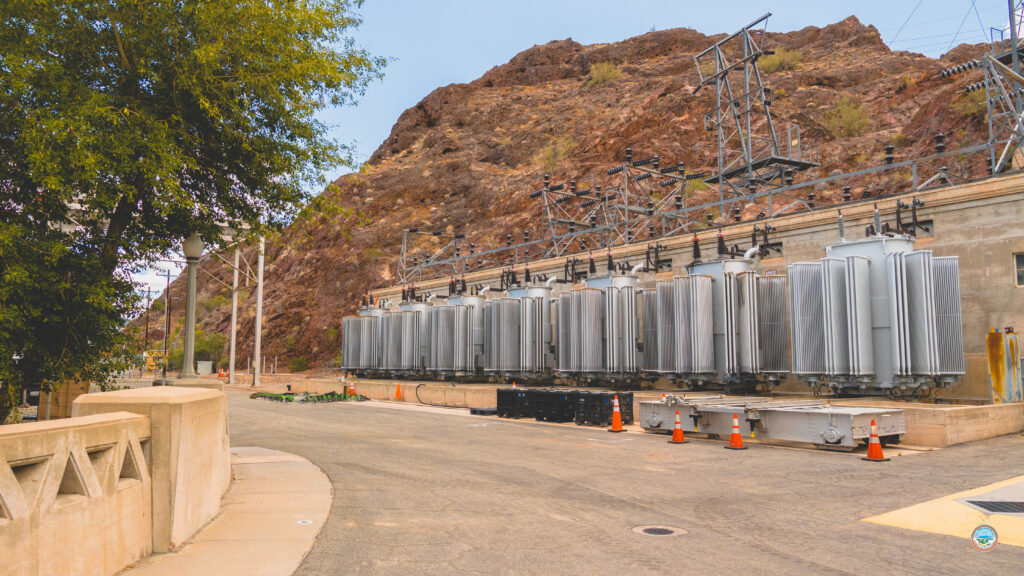
The Missing and Murdered Indigenous Women and People (MMIWP) movement brings awareness to the ongoing crisis of Indigenous people who have gone missing or been murdered across Tribal communities throughout North America. For decades, Indigenous families and advocates have called attention to the lack of media coverage, jurisdictional challenges, and limited resources that have contributed to many of these cases going unsolved or overlooked.
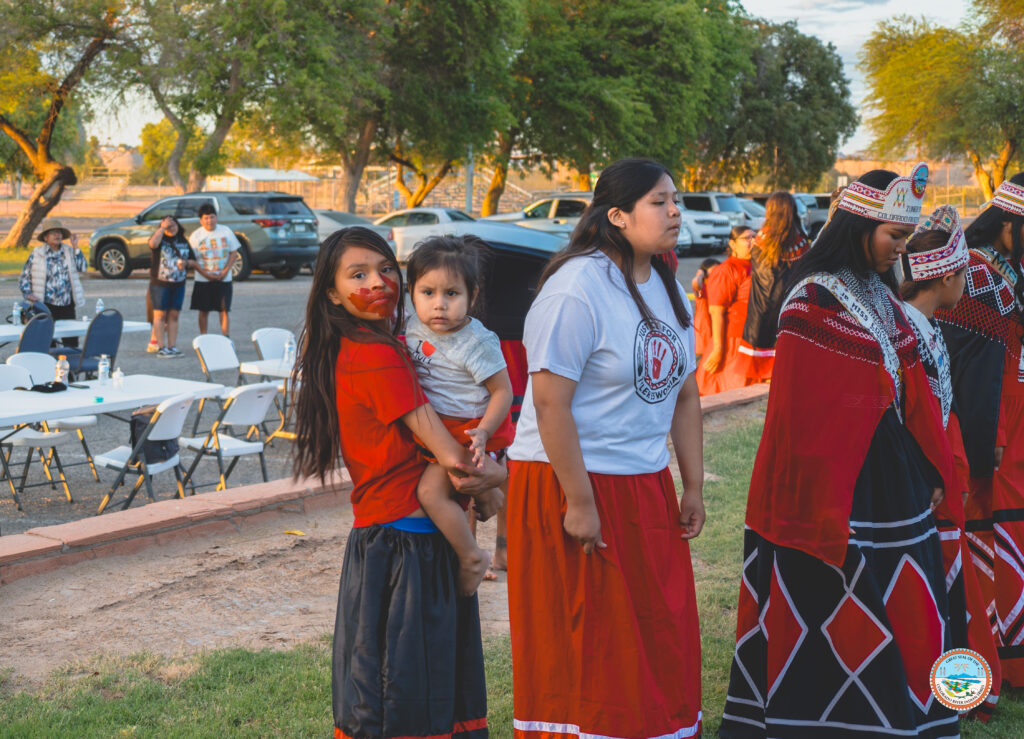
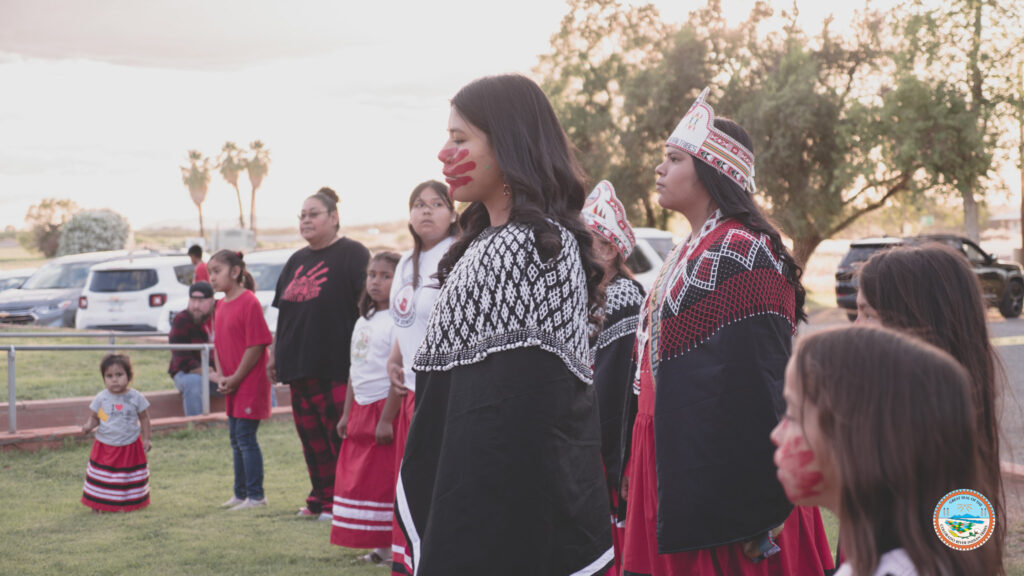
On Tuesday, May 5th, 2026 CRIT hosted an event honoring MMIWP, bringing the community together in remembrance, reflection, and support for affected families.
Several speakers courageously shared the stories of loved ones from the reservation who have gone missing or were tragically murdered and are not forgotten. Young girls spoke about the heartbreaking loss of their father, siblings shared memories of missing sisters, mothers, and grandparents.
A special thank you to Councilman Tommy Drennan for organizing the event with Janice Patch and other organizers of this very important day for CRIT and all of Indian Country.
The Lower Basin States of Arizona, California, and Nevada have advanced a plan to stabilize the Colorado River through 2028, responding to declining reservoir levels, record low inflows to Lake Powell, and increasing risk of reaching critical elevations at both Lake Powell and Lake Mead.
Earlier in the post-2026 process, the Lower Basin took a significant step by proposing 1.25 million acre-feet in annual reductions, with an additional 250,000 acre-feet from Mexico, totaling approximately 1.5 million acre-feet per year.
This proposal builds on that foundation with an expanded system conservation program across the Lower Basin with an estimated contribution of at least 700,000 acre-feet. In total, the plan identifies up to 3.2 million acre-feet of water savings to the system through 2028.
The proposal is an integrated package addressing Lake Powell releases, Upper Initial Unit operations, Lower Basin reductions, additional conservation, use of Intentionally Created Surplus, and system infrastructure improvements. Lower Basin contributions are contingent on these coordinated operations to ensure system stability as well as appropriate funding.
“With this proposal, the Lower Basin is putting forth real action to stabilize water supply along the Colorado River. We’re putting forward additional measurable water contributions for the system. Without that, the system will continue to decline,” said JB Hamby “This proposal is about moving from ideas to implementation,” said John Entsminger. “It pairs real measurable water contributions with sensible dry-condition operations at Lake Powell and across the Upper Initial Units. Now is the time for every water user in the Basin to double down on water conservation as we face historically dry hydrology.”
“This proposal reflects the creativity and commitment of water users across the Lower Basin who continue to step forward with solutions that support the river,” said Tom Buschatzke. “We have shown that collaborative, voluntary efforts and reductions that are certain can produce meaningful water savings.” (more…)