
Thai Yang, Broadband Director for the Colorado River Indian Tribes, is helping lead an exciting new chapter for connectivity across the CRIT community.
Yang has served with CRIT for the past two years, bringing with him a strong background in information technology, network systems, infrastructure deployment, and strategic project management. Before joining CRIT, he held technology leadership roles in hospitality, resort operations, and casino infrastructure, including more than 15 years as IT Director at Glen Ivy Hot Springs and earlier experience helping launch technology systems at Morongo Casino Resort & Spa.
“At CRIT, that experience now supports my mission to strengthen broadband infrastructure, improve digital access, and create long-term opportunities that will benefit current and future generations of our Tribal community,” Yang said.
As Broadband Director, Yang oversees the planning, funding, development, and implementation of broadband infrastructure projects across Tribal lands. The Broadband Department is responsible for securing grants, coordinating engineering and construction, managing vendors and consultants, meeting funding requirements, and preparing for future broadband growth.
For many people, broadband simply means internet access, but Yang explained that broadband is much more than that.
“Broadband is more than just connectivity—it is the foundation for education, healthcare, economic growth, public safety, and communication,” he said.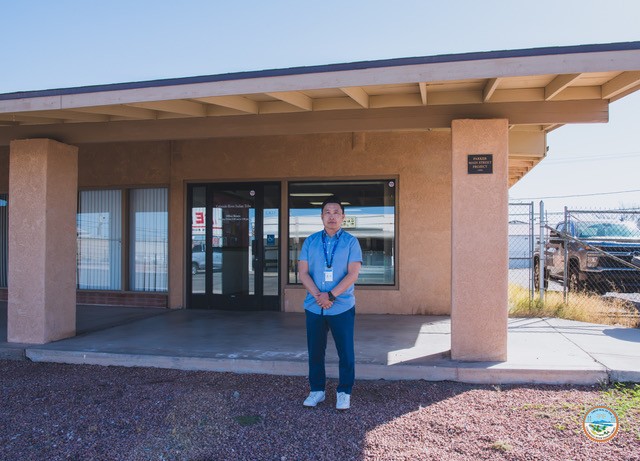
For the CRIT community, reliable broadband has the potential to improve daily life in many ways. Students can benefit from online learning and educational resources. Families can stay better connected and access important services. Elders may have greater access to telehealth and healthcare resources. Local businesses can grow through online services and e-commerce, while Tribal departments can improve operations, communication, and public service delivery.
“Broadband creates opportunities across every part of the community,” Yang said.
Like many rural and Tribal communities, CRIT has faced challenges with limited infrastructure, geographic barriers, funding requirements, permitting processes, and a long history of underinvestment in broadband. Yang said addressing those challenges remains a major priority for the department.
Much of the Broadband Department’s work happens behind the scenes. On any given week, Yang and his team may be managing grant programs, reviewing engineering designs, preparing construction solicitations, coordinating with federal and state agencies, working through permitting or environmental requirements, and meeting with contractors, consultants, and Tribal leadership to keep projects moving forward.
“While much of this work may not always be visible day to day, it is essential to ensuring that projects are successful, sustainable, and beneficial to the community,” Yang said.
That behind-the-scenes work is now leading to major progress.
One of the department’s most recent accomplishments was the successful solicitation and public bid opening for the CPUC Phase I construction project, which Yang described as “a major milestone toward large-scale fiber deployment across Tribal lands.” Phase II has also been publicly posted, moving CRIT’s long-term broadband expansion plans another step forward.
CRIT is currently managing four major broadband projects through the USDA ReConnect Round 4, NTIA Tribal Broadband Connectivity Program Round 2, CPUC Federal Funding Account, and Arizona Commerce Authority CPF funding. Together, these projects represent one of the most ambitious infrastructure investments in CRIT’s history. They include large-scale fiber deployment, infrastructure modernization, expanded service reliability, and future wireless opportunities.
The department is also preparing for growth through facility modernization. Plans include the renovation of the Peterson Building, which will serve as the future home of Broadband operations. Looking further ahead, the department is also planning for the possible development of an advanced Network Operations Center building that could support CRIT’s network management, cybersecurity, data systems, and future digital infrastructure needs.
In the short term, Yang said the department is focused on successfully completing current grant-funded construction projects, expanding broadband infrastructure, and improving service reliability. Long term, the vision is to establish CRIT as a leader in Tribal broadband and information technology by building sustainable, sovereign telecommunications systems that support the community for generations.
“Our goal is to create infrastructure that drives economic development, enhances educational opportunities, expands healthcare access through telehealth, strengthens government services, improves public safety, and supports future technological innovation for generations to come,” Yang said.
As the department continues to grow, Yang said community members are encouraged to reach out directly with questions or concerns. The department also plans to establish an official Facebook page and additional communication channels to share project updates, department news, service developments, and community outreach information.
For Yang, the future of broadband at CRIT is about much more than internet service. It is about building opportunity, strengthening critical infrastructure, and supporting Tribal sovereignty in the digital age.
“The future of broadband at CRIT is incredibly promising,” Yang said. “Our goal is not simply to improve internet access, but to build a stronger, more connected future for all CRIT members.”
With major projects underway and more plans on the horizon, the CRIT Broadband Department is helping build a stronger, more connected future for the community. The work being done today is an investment in students, families, elders, businesses, Tribal departments, and future generations.