
Chief Irataba stands among the most notable figures in Native American history. Some leaders are remembered for their war strategy and resistance, while others are known for diplomacy and negotiation. Rarely do those qualities come together in one leader. Chief Irataba was one of those rare individuals. Known by the Mohave people as fearless, and described by American settlers as peaceful and fair, Irataba helped shape the future of the Mohave people and the land that would later become the Colorado River Indian Reservation.
Irataba, whose Mohave name was Eecheyara Tav, meaning “bright bird,” was born around 1814 along the Colorado River. Historical accounts describe him as a striking and commanding figure. Standing approximately six feet four inches tall, with a heavy jaw and broad shoulders, he was widely recognized for his intelligence, bravery, and leadership. Despite his powerful physical presence, those who encountered him often described his demeanor as calm and gentle. Historian Arthur Woodward referenced early descriptions of the Mohave leader, writing that Irataba was “a man six feet four inches tall, of very powerful frame, but very gentle and kind in demeanor.”
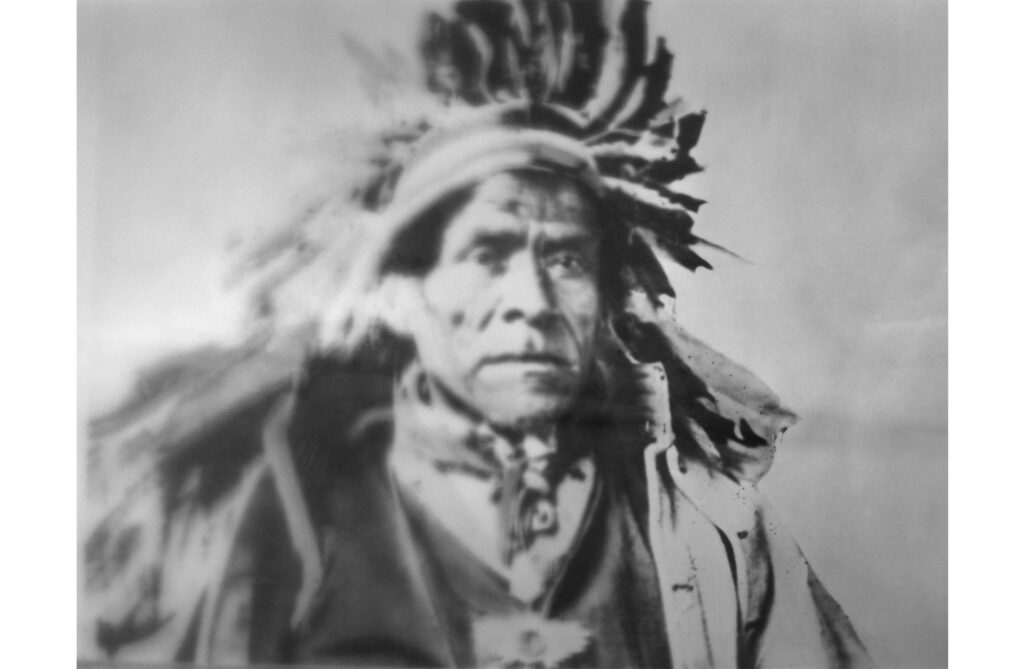
During the early nineteenth century, Mohave communities thrived along the Colorado River. The river provided fertile floodplains for farming and served as an important route for travel and trade among tribes throughout the region. Irataba rose to prominence during this time and became a war leader of the Kwanami, a group whose name has been interpreted as meaning “fearless.” His leadership earned him a reputation as both a warrior and a respected decision-maker within the community.
Accounts from the period suggest that Irataba’s influence extended beyond his own village. One early description noted that he “seemed to have great influence over neighboring tribes and acted in disputed questions as a kind of supreme judge.” His ability to mediate disputes and maintain relationships among tribes helped establish him as one of the most respected leaders in the Colorado River region.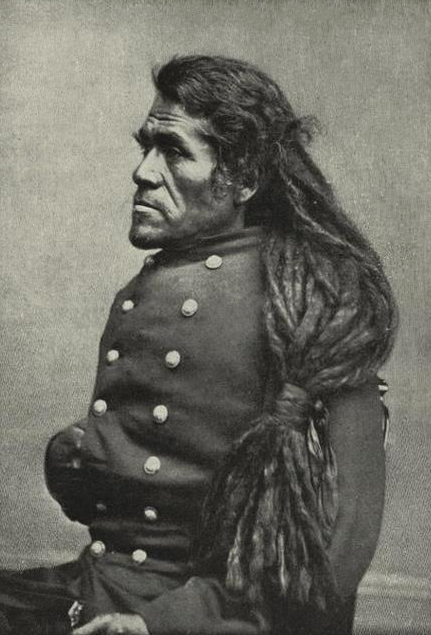
By the 1850s, the Colorado River began attracting increased attention from American explorers and the United States government as they searched for routes across the Southwest. One of the most notable expeditions during this time was led by Joseph Christmas Ives, who traveled along the river studying its geography and potential as a transportation route.
Historical accounts indicate that Irataba played an important role during these early encounters. Acting as a guide and intermediary, he helped facilitate communication between Mohave communities and American explorers traveling through the region. Newspaper reports from the time also recognized his authority. An article published in the Los Angeles Star in 1861 described Irataba as not only the chief of the Mohave people but someone who possessed more influence in the Colorado River country than any other chief in the district.
In 1864, Chief Irataba traveled to Washington, D.C., where he met with Abraham Lincoln and other federal officials. His visit brought national attention to the Mohave people and the challenges facing tribes along the Colorado River as settlers, miners, and military expeditions entered the region. On March 3, 1865, the Colorado River Indian Reservation was formally established by executive order issued by President Abraham Lincoln along the lower Colorado River. The reservation would eventually become home to the Mohave, Chemehuevi, Hopi, and Navajo peoples and remains the homeland of the Colorado River Indian Tribes today.
Chief Irataba continued to be a respected leader among the Mohave people throughout the later years of his life. He died in May of 1874 at his home along the Colorado River. Some historical accounts referred to him as “the Uncas of his tribe,” a comparison meant to recognize him as one of the last great leaders of the Mohave people during that era.
Today, many Mohave families continue to live in and around Parker, Arizona, within the Colorado River Indian Tribes community. The history of Chief Irataba is not only preserved in historical records but also through the families and descendants who remain connected to the land along the Colorado River. Generations of Mohave people have continued to live, work, and raise their families in the same region their ancestors once called home.
More than a historical figure, Chief Irataba’s legacy lives on through the people of the Colorado River Indian Tribes. His leadership during a time of great change helped shape the future of the Mohave people, and his story continues to be remembered as a symbol of strength, diplomacy, and resilience for generations to come.
Article written by CRIT Media Reporter Ariana Romero