
A companion piece to the “In Our Voice” (2018), this documentary short shows and profiles the Chemehuevi, Hopi, and Navajo tribes as the other side perspective of what came to be the formation of Colorado River Indian Tribes through Parker and Poston, AZ. What we see and follow is the 1st hand accounts of the individuals – including Mary McCabe (Navajo), Ronald Moore (Hopi), and Bonita Jane Eddy (Chemehuevi) – whose families had emigrated and colonized the reservations areas that the Mohave held since the formation of CRIT. These detailed accounts show us the history of the colonization program implemented by the US government during WWII, the emigrated families and merging/clashing of tribes being moved around, and the formation and acceptance of the varying tribes into a grown community based on traditions and peoples. An emotional moment shared by subject Harold Crow (Navajo) recalls how his Diné-speaking parents were not allowed to speak their language to their children – enforced by the schools and government systems to assimilate the people into required English – caused an identity anxiety which reverberates and relates to tribal members even through today. It’s a vulnerable moment of the documentary that adds layers into the personal struggle and aspects of the elders’ history and culture being one that was manipulated – but ultimately uplifted and being actively upheld by many of the generations to come after. It shows a complicated history that’s built into a ever-growing and progressive cultural shift/reclamation that tribes members are working and fighting to remember.
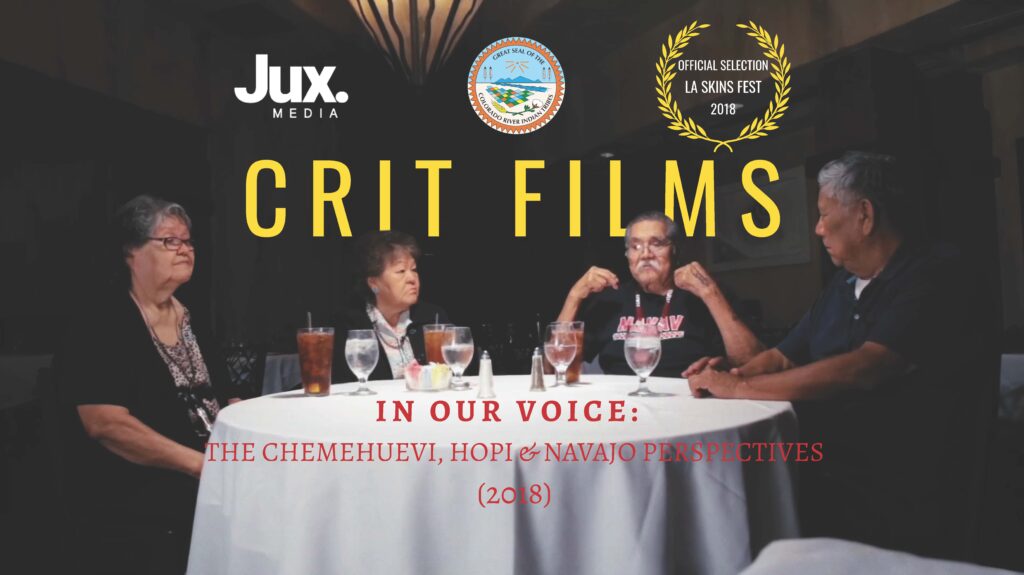
The surprising gift of this docu-short film is the amount of beauty and skill found in the filmmaking and editing of the subjects and history profiled. The cinematography captures so much of the subjects and interlinking montages with a grace and expertise in a nuance format that’s almost ethereal in nature. Each subject is allowed the breathing room to relate and share their stories and recollections of what the lands and cultivation of CRIT looked like for the tribes being introduced and how they were directly affected. And the usage of archival footage and vintage photography of the tribal communities and documented history inter-spliced within the film gives so much depth and understanding to what CRIT wants to present and preserve with the way we’re represented. The film stands out through it’s pacing and format as more of an anthology profile of each represented tribes’ individual and shared outlooks of being the strangers to a land they would call home. The history is shared, the memories are recorded, and the experiences of these people and their stories will be honored through this short film. It’s slowly becoming one of my personal favorites of the CRITFilms series we’ve covered, and I’ll be happy to recommend and praise it to anyone who asks what we are as a tribe and community.
Film Review written by CRIT Media Tech Naythen T. Lowe