May 3, 2026 4:21 am
CRIT Nation, Parker, AZ
May 3, 2026 4:21 am
CRIT Nation, Parker, AZ

Written by CRIT Media Tech Naythen T. Lowe

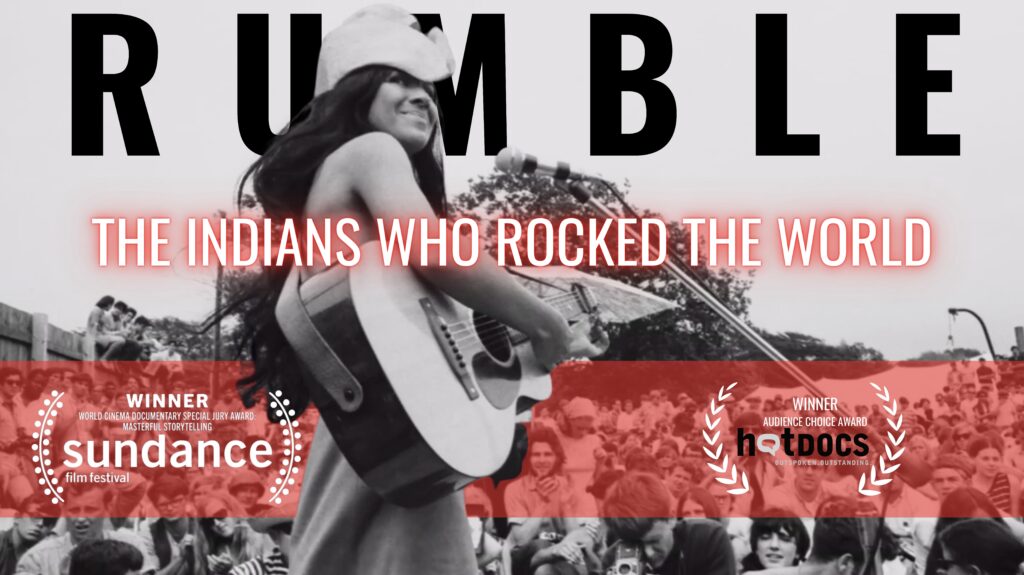
The historical footsteps of Rock ’n’ Roll culture branches off in various directions when looking at the scope of the American influence of the genre. The barebones combination of blues and folk music birthed a new style of songwriting that gave leeway for inventive and prominent artists – from differing backgrounds and racial heritage – to make the stage with compositional  advancements that’s growing more and more popular every day. We think about the  rock legend greats and musicians that have sprouted and evolved the genre – Jimi Hendrix, The Rolling Stones, Chris Issack, even Elvis Presley – and we love their styles and techniques in performing their works. But when we look at the diversity of said musicians cross generations of American heritage and influence, we find that there is a secret ingredient in the sauce: Indigenous peoples and cultures. Discovering the connections between tribal bands integrating into black communities during relocation history, combining rhythms and beats of similar ethnic styles, and creating the blueprints on what rock would eventually become is highlighted in the documentary, “Rumble: The Indians Who Rocked the World” (2017).

 Directors Catherine Bainbridge and Alfonso Maiorana showcase the influence and direct involvement of Native American culture planting the seeds of musical composition and evolution of the great artists, like the prominent focus on Link Wray, who made their careers and lives spotlighting the Indigenous footprints of rock history today. Native communities of the Southern tribes – Choctaw, Seminoles, Muscogee, etc. – have history of unionizing within Black communities to have tribal members of both Indigenous and African heritage. We see the establishment of both traditional drumming/vocal singing mix in with the prominent folk lyricism/instrumental playing blend into the formation of what Delta blues would become; Charley Patton was a mixed Choctaw man who inspired the next generations of Blues musicians that followed after – Muddy Waters and Chester “Howlin’ Wolf” Burnett were men who looked up to him as idol. The Blues evolution made it’s way into the urban sphere with talents who raised the awareness of Native empowerment and history or those of Indigenous connections that would shake up and stir crowds with vibrations of music and power unsung and unseen before. We see the emergence of artist like Jesse Ed Davis, Robbie Robertson, bands like Redbone and Link Wray and His Ray Men, all developing and evolving the hard-hitting and magnifying styles of rock that’d come to influence and collab with international talents and world acclaim. The filmmaking and editing on display with the archival footage mixed with the on-location shoots and talking head interviews of these amazing talents and their recordings shows a high level of professional documentarian approach that very much plays and flows smoothly with the depictions and showcasing of knowledge and individuals that have so much to say and relate – you never once feel unmoved or left unimpressed by anyone on screen here. The presentation of chaptering each decade with one prominent Indigenous artist that made waves is such a clever editing device that definitely makes the impact of each individual profiled stand out and shine in their archival/retrospective tribute(s). There’s a sense of grander purpose to each scene after scene of historical context and 1st hand experience with the people who are involved directly or indirectly with the subjects and history of the background development of these artists and great influencers of pioneered music we love today. The production is crafted greatly to steadily carry and utilize every piece of footage and needle drops relating and showcasing the talent profiled. Even the support of artists like Johnny Cash and Martin Scorsese have proved that the outreach and overwhelming support of this modern era of Native American renaissance can be felt and breathed new life into the rock genre cultivated from the beginning. If there was a time in which a snapshot look into the vast and deeply ingrained fusing of culture and art with the, the filmmakers have created a window into the world of Indigenous musicians that have carved their mark and pathed the road for greatness. “Rumble: The Indians Who Rocked the World” (2017) is a treat and perfect companion piece for the music and influence of what Native American artistry has achieved in the culture, history, and music that we love to rock our socks off.

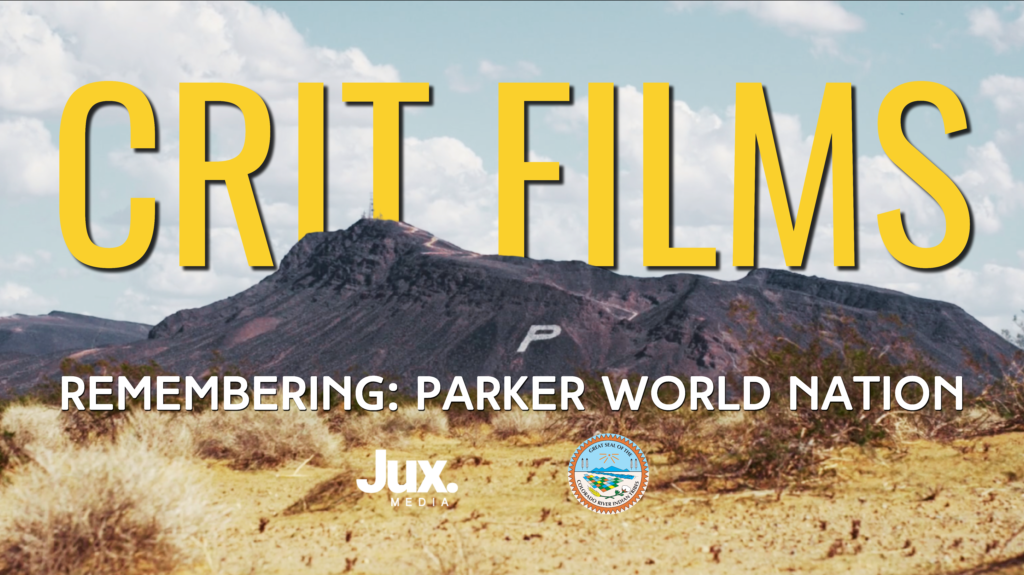
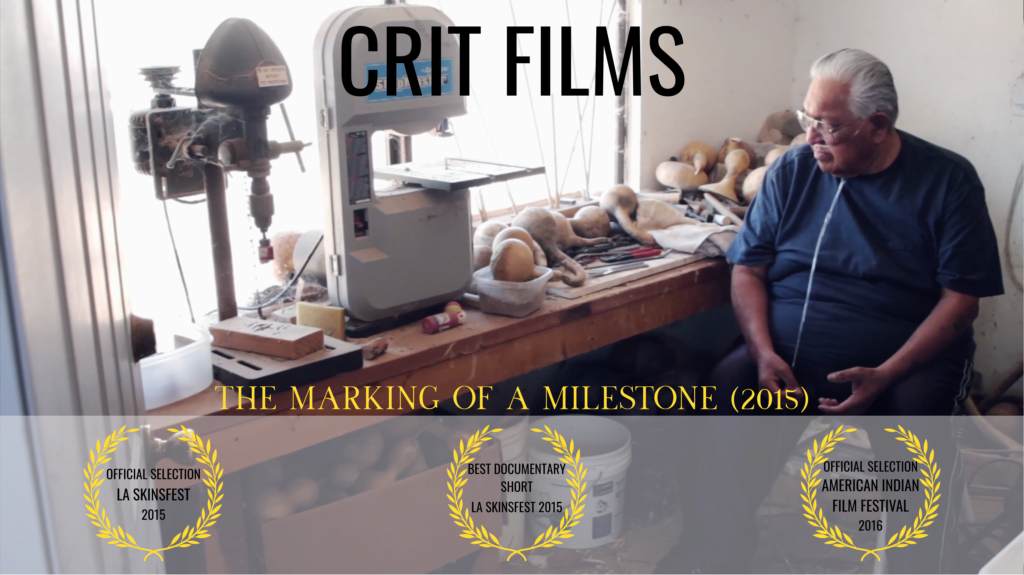
There is a history and a people that’s been forever cultivating it’s lands and people to allow not just for the growth of the generations of past, but for the future ones to come. Colorado River Indian Tribes celebrated it’s 150 Commemoration Anniversary in 2015, hosted by the commonwealth of the four main tribes that make up the reservation – Mohave, Chemehuevi, Hopi, and Navajo. The historical tribal leaders – of Chief Manataba and Chief Irataba – bridged by connection and bonds of direct bloodlines and history of the territory, still hold their families and growing lineage to this day. Community built on the expectations of respect, resilience, and familiarity found with the natural siding protection and preservation of the river – our sacred and ecological treasure. Interviews conducted with Chairwoman Amelia Flores and posthumous folks like Sheldon Swick and Delano Carter, show off the sides of the Mohave leaders who fought and advocated for the respect and designation of tribal sovereignty protecting their footprint of tribes. The documentary short gives accounts and testimonies from the selected influential council/leaders/members who wish to help with establishing and upholding the standards found within the history and long lasting legacy of CRIT.

On top of having the moments to advocate and speak on the importance of upholding the history of language, culture, and artifacts, the Mohave members are active in encouraging their youth community to engage in more activities and preservation matters. The events hosted by professionals and active participants in the traditions of dancing and singing (with Bird Dances and gourd singing) brings out the engagement and proper respect aimed by the Mohave resiliency and grand recognition. We see the people coming together for the dances and songs of the passed down knowledge and customs of the elders we unfortunately lose as times grows on. So much their influence can be found with the practices and standards established into the policies up making sure nobody outside reservation can ignore/forgets that “we” hold the keys to our future – not just as a tribe but as a people who’re strong and ready for all obstacles in the line. CRIT holds a special stance as a reservation of varying cultures that all handle the goals of those in their interests as a revitalization tool towards the Indigenous way of life that we must build up more. The way we document and specially record our own accounts and history – the land history, tribal leaders designation, gathering of the peoples, establishing the CRIT way – has everything to do with our lives here. And it’s something to never be forgotten.

Film Review by CRIT Media Tech Naythen T. Lowe


A companion piece to the “In Our Voice” (2018), this documentary short shows and profiles the Chemehuevi, Hopi, and Navajo tribes as the other side perspective of what came to be the formation of Colorado River Indian Tribes through Parker and Poston, AZ.  What we see and follow is the 1st hand accounts of the individuals – including Mary McCabe (Navajo), Ronald Moore (Hopi), and Bonita Jane Eddy (Chemehuevi) – whose families had emigrated and colonized the reservations areas that the Mohave held since the formation of CRIT. These detailed accounts show us the history of the colonization program implemented by the US government during WWII, the emigrated families and merging/clashing of tribes being moved around, and the formation and acceptance of the varying tribes into a grown community based on traditions and peoples. An emotional moment shared by subject Harold Crow (Navajo) recalls how his Diné-speaking parents were not allowed to speak their language to their children – enforced by the schools and government systems to assimilate the people into required English – caused an identity anxiety which reverberates and relates to tribal members even through today. It’s a vulnerable moment of the documentary that adds layers into the personal struggle and aspects of the elders’ history and culture being one that was manipulated – but ultimately uplifted and being actively upheld by many of the generations to come after. It shows a complicated history that’s built into a ever-growing and progressive cultural shift/reclamation that tribes members are working and fighting to remember.

The surprising gift of this docu-short film is the amount of beauty and skill found in the filmmaking and editing of the subjects and history profiled. The cinematography captures so much of the subjects and interlinking montages with a grace and expertise in a nuance format that’s almost ethereal in nature. Each subject is allowed the breathing room to relate and share their stories and recollections of what the lands and cultivation of CRIT looked like for the tribes being introduced and how they were directly affected. And the usage of archival footage and vintage photography of the tribal communities and documented history inter-spliced within the film gives so much depth and understanding to what CRIT wants to present and preserve with the way we’re represented. The film stands out through it’s pacing and format as more of an anthology profile of each represented tribes’ individual and shared outlooks of being the strangers to a land they would call home. The history is shared, the memories are recorded, and the experiences of these people and their stories will be honored through this short film. It’s slowly becoming one of my personal favorites of the CRITFilms series we’ve covered, and I’ll be happy to recommend and praise it to anyone who asks what we are as a tribe and community.

Film Review written by CRIT Media Tech Naythen T. Lowe